

A corporate event can bring together customers, employees, industry professionals and business partners, but its impact does not have to end when the last guest leaves. Video allows organisations to preserve important moments, communicate key messages and share the experience with audiences who could not attend.
However, producing useful event footage requires more than recording what happens on the day. The filming approach must reflect the event's purpose, the people watching the final video and the channels where the content will appear. A conference recording, for example, has different requirements from a product launch film or a short recap of a networking event.
For businesses arranging events in København, Denmark, understanding these differences can make it easier to choose suitable coverage, plan a realistic budget and brief a production team effectively.
This guide explains the main types of event video, the production process, the factors affecting costs and the practical questions worth considering before booking a videographer.
1. Understanding the Different Types of Event Video
Event video is not a single format. The right choice depends on what the organiser wants to preserve and how the footage will be used afterwards.
A highlights film provides a concise overview of the event, combining selected moments, atmosphere and interactions into a short, engaging edit. It is often useful for event recaps, company websites and future promotional campaigns.
Full-length recordings serve a different purpose. They preserve presentations, panel discussions or speeches for audiences who need access to the complete information. These projects require particular attention to audio quality, camera positioning and recording continuity.
Interview-led videos can capture the perspectives of speakers, attendees, organisers or company representatives. They may provide context that general event footage cannot communicate on its own.
Before selecting a format, consider whether the priority is documentation, communication, marketing or a combination of these objectives. This decision influences the filming schedule, equipment requirements and editing workload.
2. Corporate Event Videography: Capturing Business Communication
Corporate events frequently include presentations, leadership announcements, panel discussions, networking sessions and internal celebrations. Each element may serve a different communication purpose, so the filming plan should reflect the programme rather than treating every moment equally.
For conferences, clear recordings of speakers and presentations may be essential. Organisers might need the complete session for internal reference, selected extracts for employees or shorter edits for professional audiences.
Company gatherings may place greater emphasis on people and organisational culture. Interviews, team interactions and significant milestones can help communicate the experience to colleagues, stakeholders and future recruits.
When planning corporate event videography, it is useful to establish which moments must be recorded in full and which can be captured as supporting footage. If several sessions happen simultaneously, additional camera operators or separate recording setups may be necessary.
Sound deserves equal attention. A recording with attractive visuals may be difficult to use if speech is unclear or background noise overwhelms the presenter. Discussing microphones, venue audio connections and backup arrangements before filming helps reduce avoidable problems.
The finished video should serve a defined purpose. Clear objectives make it easier to determine what needs to be recorded and which material deserves attention during editing.
3. Brand Activations and Product Launch Coverage
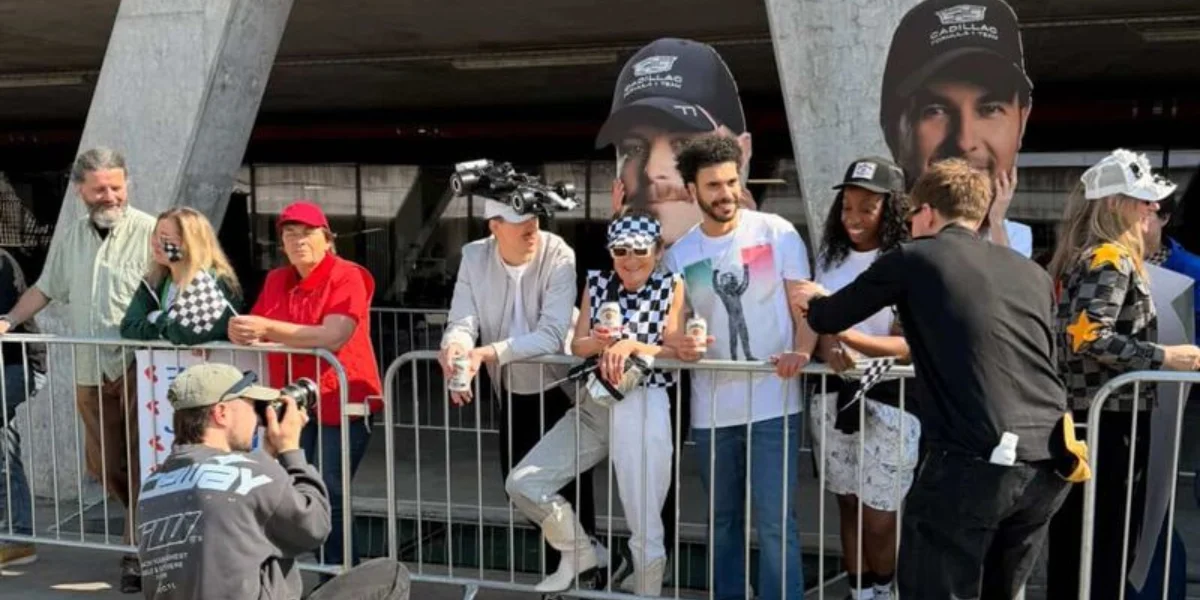
Brand events often depend on visual details, audience participation and the way a product or service is experienced. Their video requirements can therefore differ from those of a formal business conference.
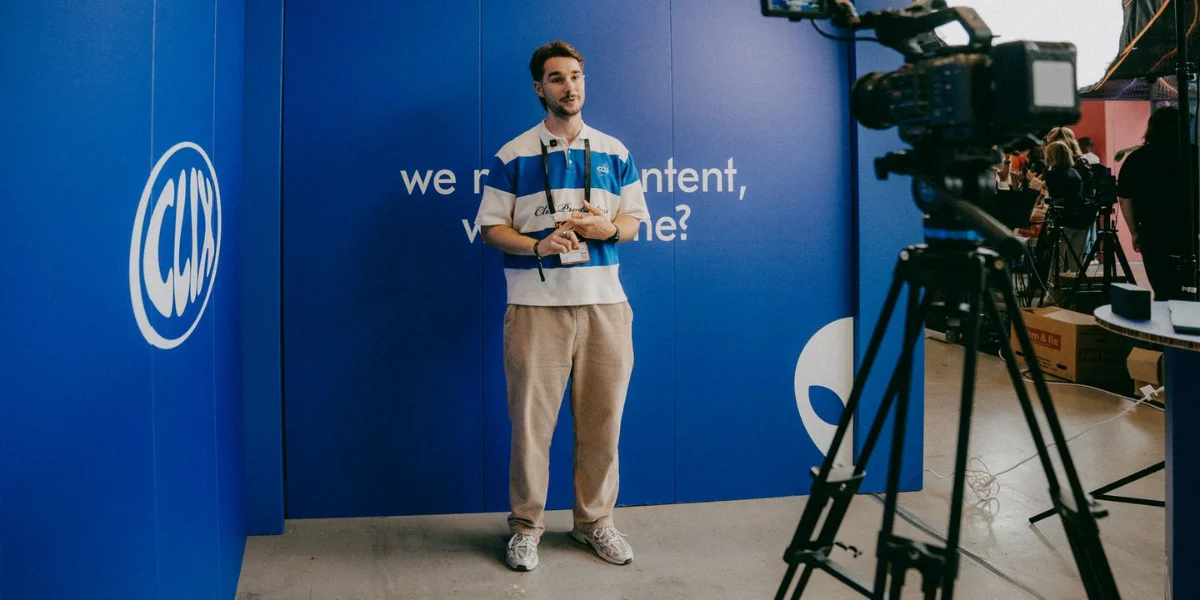
A product launch might need footage of the reveal, product demonstrations, guest reactions and interviews with representatives. A brand activation could focus on customer participation, the event environment and interactions that communicate the campaign's message.
Effective brand event videography begins with understanding what the audience should remember. If a particular product feature is central to the campaign, the filming plan should allow enough time and access to capture it clearly.
The intended distribution also matters. A website feature may support a longer narrative, while short social media edits need to communicate their message quickly. If several versions are required, these should be discussed before the event rather than treated as an afterthought.
Businesses should also consider permissions for filming attendees, using interview footage and including music or other third-party material. Requirements depend on the circumstances and intended use, so these matters should be addressed during production planning.
A thoughtful approach helps create footage that documents the occasion while remaining relevant to the campaign's broader communication goals.
4. Professional Event Filming: From Planning to Delivery
The production process generally includes three stages: preparation, filming and post-production. Each stage contributes to the reliability and usefulness of the final video.
Pre-production
Before the event, the organiser and production team should agree on the objectives, schedule, essential moments and expected deliverables. Venue access, lighting conditions, interview opportunities and any restrictions should also be considered.
A detailed brief is particularly important when presentations run to a strict timetable or several activities take place in different rooms.
Filming
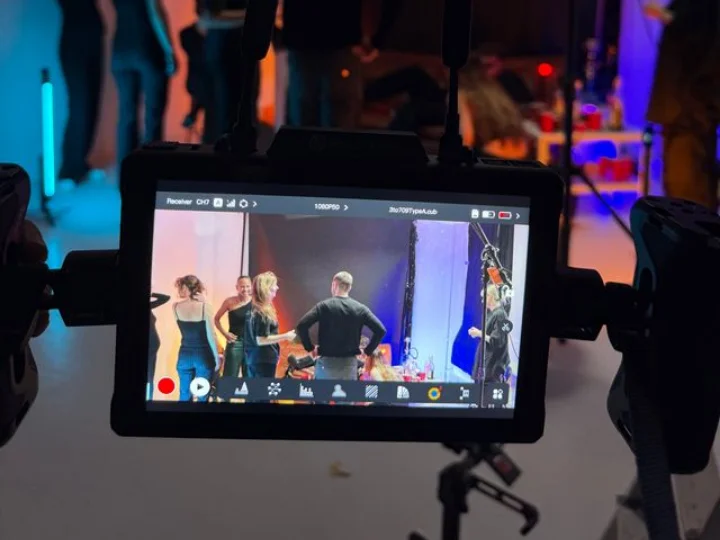
On the day, the team follows the agreed plan while adapting to changes in timing and activity. Depending on the requirements, coverage may include wide shots of the venue, close-ups of important details, audience interactions, presentations and interviews.
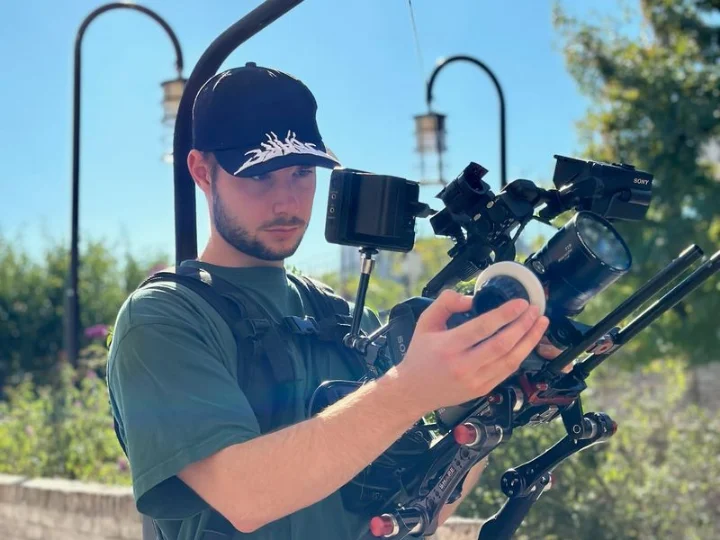
The appropriate equipment and crew size depend on the complexity of the event. A small gathering may need a straightforward setup, whereas a multi-stage conference could require several cameras and dedicated operators.
Post-production
Editing turns the recorded material into a coherent final product. Depending on the agreed scope, this can include selecting footage, arranging the narrative, balancing sound, colour correction, adding graphics and preparing subtitles.
The delivery agreement should specify the expected video formats, revision process and deadline. These details are particularly important when content needs to be published shortly after an event.
When comparing video production copenhagen providers, assess the entire process rather than looking only at the filming itself. Planning, editing and delivery all influence the final result.
5. Event Videography Pricing and Budget Planning
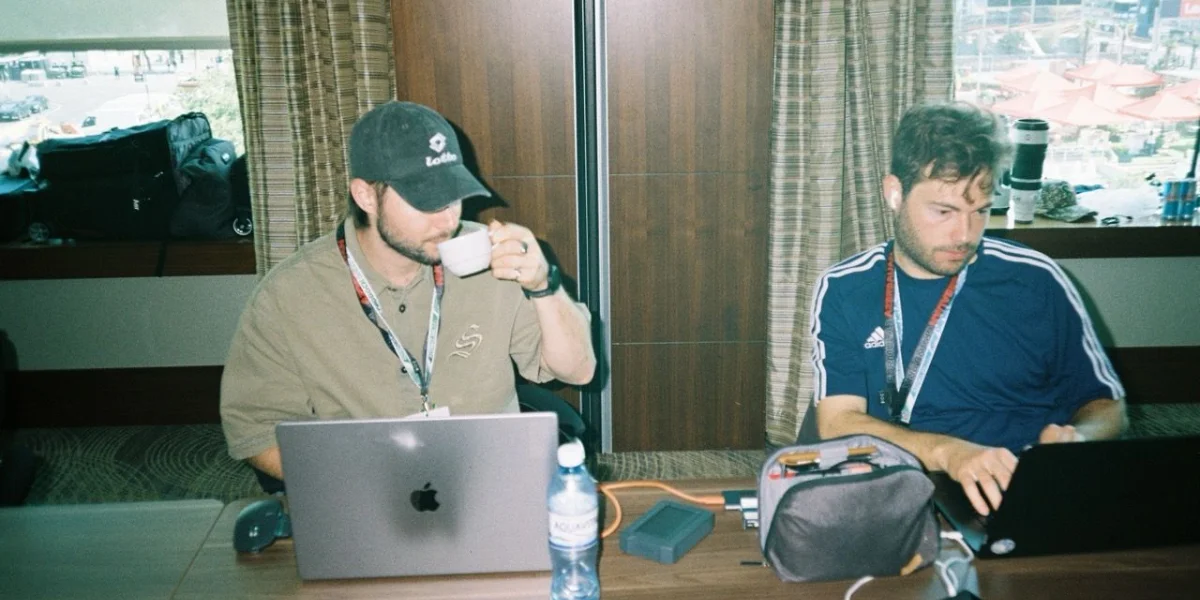
Event videography pricing depends on the production requirements, not simply the number of people attending. Two events of similar size can require very different amounts of work.
A short reception with one highlights video may involve a relatively simple workflow. A conference with multiple stages, recorded presentations, interviews and several edited versions requires more coordination and post-production time.
The main factors to consider are:
- Filming time: The number of hours or days required, including setup and any additional coverage.
- Crew and equipment: The number of operators, cameras, audio equipment and lighting setups needed.
- Editing requirements: The number of finished videos, their complexity, graphics, subtitles and revision rounds.
- Delivery schedule: Whether the project requires a standard turnaround or accelerated delivery.
- Additional arrangements: Travel, venue restrictions, music licensing and other agreed production expenses.
When requesting event videography pricing, provide the event date, schedule, location, objectives and preferred deliverables. This gives the production company enough context to prepare a relevant quotation.
Compare proposals by checking what is included. One quotation might cover filming only, while another may include editing, licensed music, several social media versions and delivery of complete presentation recordings.
A clearly defined scope makes budgeting more predictable and helps avoid paying for services that do not support the event's objectives.
6. Choosing a Suitable Event Video Production Partner
A suitable production partner should understand the event's requirements and be able to explain how the work will be delivered.
Start by reviewing examples that resemble your project. For a conference, look for clear speech, consistent camera coverage and well-organised presentation recordings. For a brand event, consider how effectively the videos communicate atmosphere, visual identity and audience engagement.
Discuss the practical details before confirming a booking. Ask who will coordinate with the organiser, how essential moments will be identified, what happens if the schedule changes and how the final footage will be delivered.
It is also important to clarify ownership and usage rights. Confirm what rights you receive for the finished videos, whether raw footage is included and whether any restrictions apply to music, interviews or third-party material.
The production partner should be able to explain the proposed approach in terms you understand. Clear communication about the scope, limitations and expected outcomes is more useful than broad promises about results.
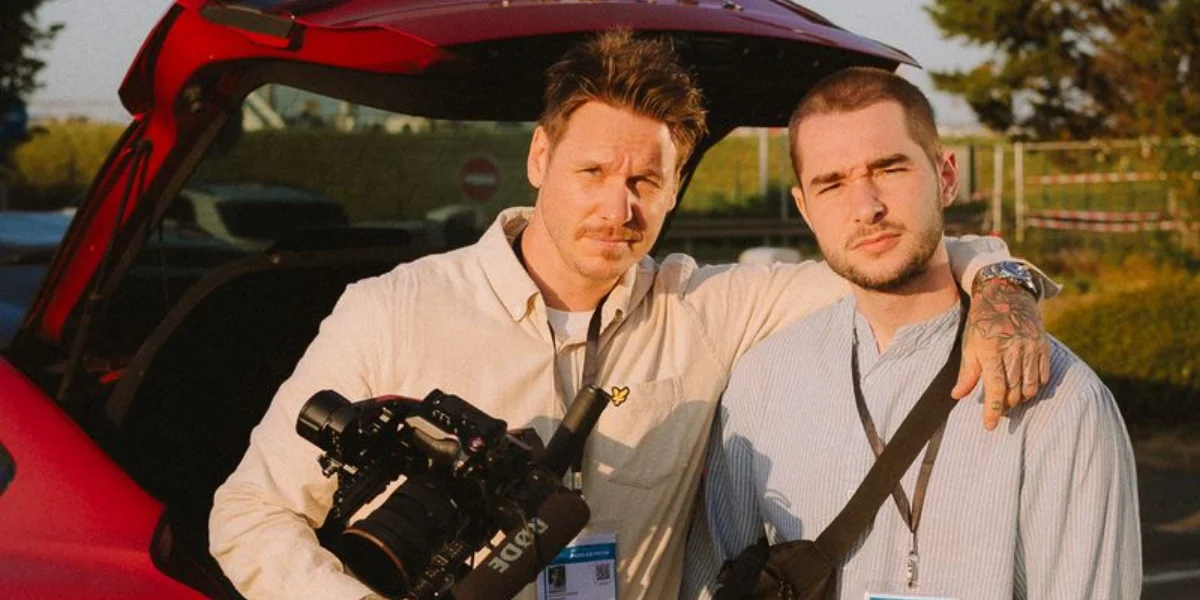
Clix Productions offers commercial production, event and activation coverage, brand films and interviews. When considering a project, the most useful starting point is to discuss the event format, the content required and how the final videos will be used.
7. Preparing a Brief That Leads to Better Results

A well-prepared brief helps the production team make informed recommendations and reduces uncertainty during filming.
Before requesting a proposal, gather the event schedule, venue details, key participants and the main purpose of the video. Identify any essential moments that cannot be repeated, such as a product reveal, keynote presentation or scheduled interview.
It is equally important to explain the intended audience and distribution channels. A video for an internal company portal may require different content from a public campaign or a series of short social media clips.
Your brief should cover:
- The event date, schedule and essential activities.
- The intended audience and purpose of the video.
- The required deliverables and publishing platforms.
- The available budget and preferred delivery date.
- Any access, consent, branding or technical requirements.
Not every project needs an elaborate production plan. The aim is to provide enough information for the team to recommend suitable coverage and identify potential challenges before the event begins.
A clear brief also creates a shared understanding of success. Both the organiser and production team can evaluate the final work against agreed objectives rather than relying on assumptions.
Frequently Asked Questions
What does an event videographer typically deliver?
Deliverables may include a highlights film, presentation recordings, interviews or short promotional edits. The exact package should be agreed before filming.
How much does event video production cost?
Costs depend on filming duration, crew size, equipment, editing and the number of final videos. A tailored quotation provides a more useful estimate than a generic price.
Can event footage be used across different marketing channels?
Yes. Footage can be adapted for websites, internal communications and social media, provided the deliverables, usage rights and required formats are considered during planning.
Is a separate camera operator needed for conference presentations?
Not always. The decision depends on the number of stages, whether sessions overlap and whether complete recordings are required alongside general event coverage.
What should I check before booking a videomaker?
Review relevant work, confirm availability, discuss the filming plan and check the quotation for deliverables, editing, deadlines, revisions and usage rights.
Conclusion
Event video can preserve important business moments and turn them into content that remains useful long after a conference, corporate gathering or brand activation has ended. The most effective results come from understanding the event's purpose, selecting appropriate coverage and planning the final deliverables before filming begins.
Clear expectations around production, pricing, editing and usage rights also make it easier to choose a suitable partner and manage the project confidently.
Clix Productions can discuss your event requirements, filming priorities and intended outcomes to help determine an appropriate production approach. To explore your project, contact Clix Productions on +4528766105 and share the details of your upcoming event.