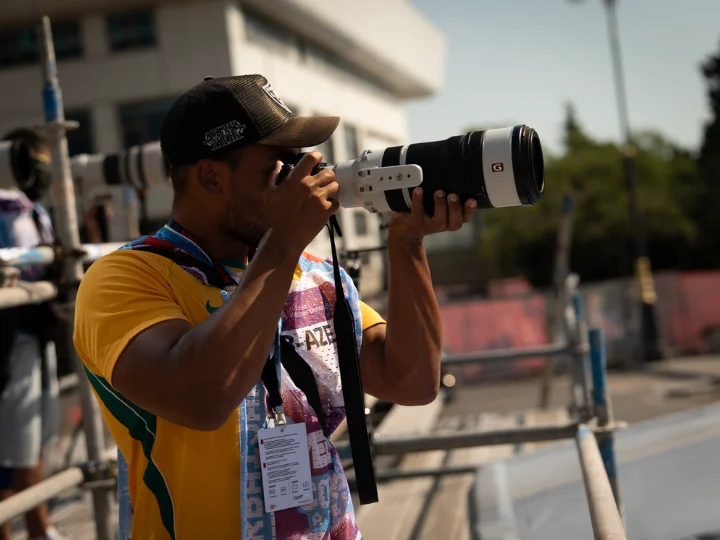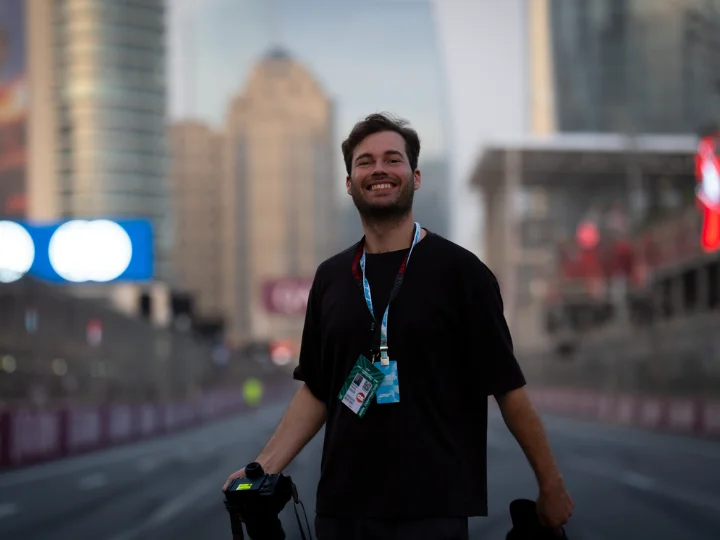
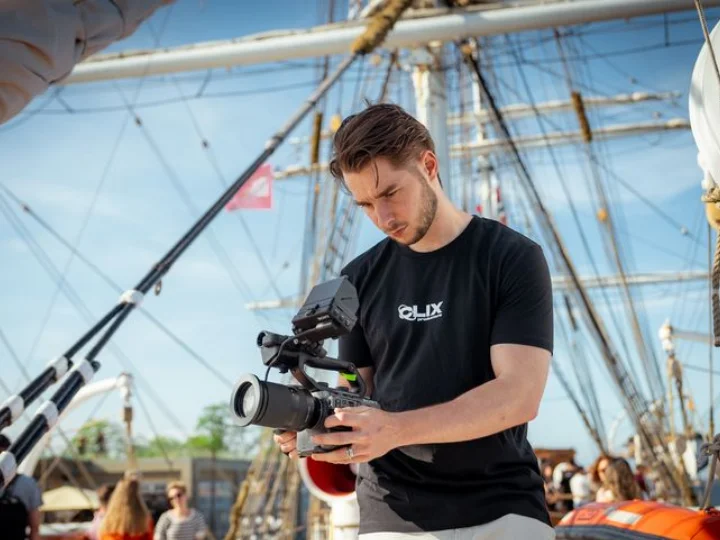
Copenhagen offers brands many ways to tell their stories on camera. Waterfront views, historic streets, modern offices and creative spaces can all give a video a distinct look.
But a successful shoot takes more than a good location. You also need to check filming rules, plan your schedule and set a realistic budget.
These details matter whether you are making a company video, product campaign or commercial. A clear plan helps your crew spend more time filming and less time dealing with delays.
This guide covers filming permits, location choices, video production costs and practical steps to help your brand prepare for a shoot in Copenhagen.
Do You Need a Filming Permit in Copenhagen?

Yes, some filming locations require permission. The rules depend on where you film and what your production involves.
The City of Copenhagen's filming guidance explains the requirements for outdoor filming on municipal road areas. You must apply for permission before filming in these spaces.
The city says each application covers one filming location. If you plan to film at several road locations, you must submit a separate application for each one.
Applications that meet the requirements normally receive a response within 10 working days. Cases involving other parties can take up to 20 working days. Start early to allow time for approval.
Before applying, prepare these details:
- Your filming address and proposed dates.
- The purpose and content of the video.
- Your filming schedule and equipment needs.
- Any parking, road access or space restrictions.
Other locations may have separate rules. For example, filming in municipal parks requires a separate application. Private venues may also need written approval from the owner.
Do not assume that public access means commercial filming is allowed. Check the rules for each location before confirming your production date.
Which Copenhagen Filming Locations Suit Your Brand?
The right location should support your message, suit your audience and work with your schedule. A famous landmark is not always the best choice for a business video.
Waterfront and harbour areas
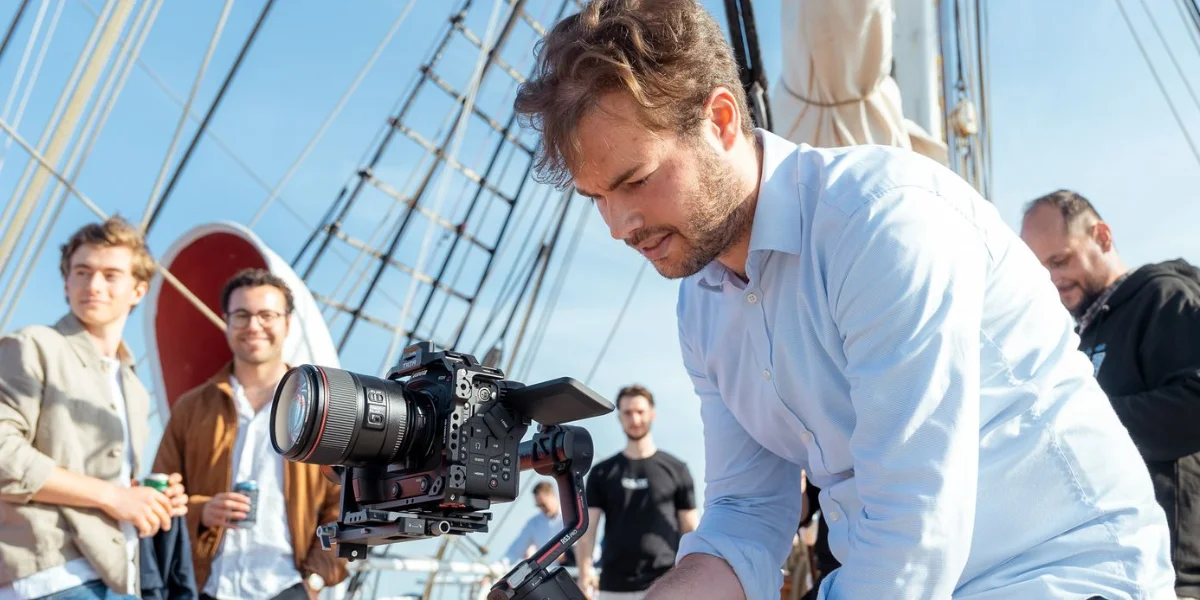
Waterfront settings can give a brand film an open, modern feel. They can work well for wide shots, walking scenes and tourism content.
However, wind and background noise can affect interviews and dialogue. Check the conditions before filming, especially if you need clear speech or professional sound.
Historic streets and buildings
Older streets and historic architecture can add character to a campaign. They may suit fashion, hospitality, design and lifestyle brands.
Plan around busy periods and nearby businesses. Also check whether your chosen spot is public or privately managed. Filming outside a building does not give you permission to enter or use its private grounds.
Modern offices and creative spaces

Office interiors and creative workspaces can suit company profiles, recruitment videos and technology campaigns.
Private venues may offer more control over sound, lighting and access. Ask about hire fees, filming hours, power access and any restrictions before booking.
Studios and hired venues
A studio can be a good option for interviews, product demonstrations and videos that need controlled lighting.
It also reduces the risk of weather delays. Compare the hire cost with the time and equipment needed for an outdoor shoot before making your choice.
How to Plan a Cinematic Brand Video
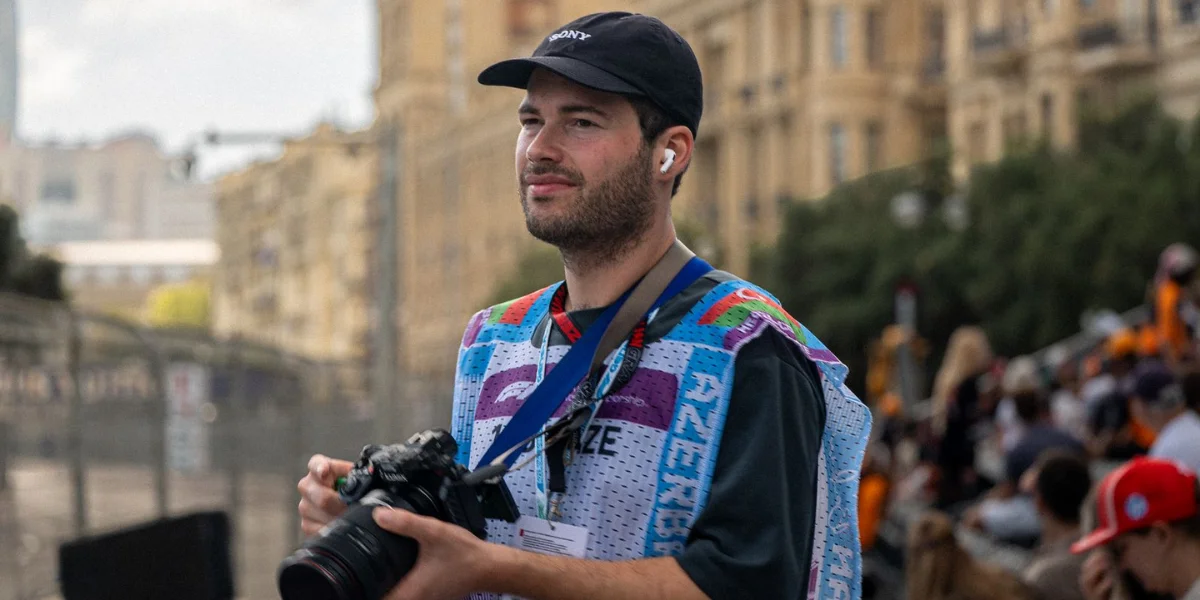
A cinematic video does not need to show every landmark in the city. It needs a clear story and visuals that support your brand.
Start by deciding what the audience should understand or feel after watching. A company film may focus on people and values. A product campaign may need close-ups, careful lighting and planned camera movement.
Create a shot list before filming. Group nearby scenes together to reduce travel time. Allow time for equipment setup, sound checks and changes in weather.
If you want the style of a Copenhagen cinematic travel video, combine wide city views with smaller details and real human moments. Use these shots to support the message rather than as decoration.
You can also study movies filmed in Copenhagen, Denmark, for creative inspiration. Treat them as visual references, though. Their locations may have different access rules, and your production may need separate approval.
How Much Does Video Production Cost in Copenhagen?
The cost depends on the type of video, crew size, filming days, locations and editing work. A short interview usually needs fewer resources than a commercial with actors, several scenes and advanced post-production.
Clix Productions' video production cost guide provides indicative budget ranges for common business videos.
These are planning estimates, not fixed prices or guaranteed quotes. Your final cost will depend on the agreed scope and production needs.
When comparing a videograf pris, look beyond the filming fee. Ask whether the quote includes planning, equipment, editing, music, subtitles and final versions for different platforms.
Also check whether VAT, travel, location hire and extra revisions are included. A written breakdown helps you compare quotes fairly.
What Can Increase Your Production Budget?
A few key decisions can make a big difference to your total spend.
Crew and equipment
A simple interview may need only a small crew. A larger commercial may require a director, camera operator, sound recordist, lighting technician and production support.
Choose the crew based on the shots you need. A larger team is useful when the project calls for it, but it is not necessary for every video.
Number of locations
Every location can add travel, setup and coordination time. Some places may also require separate applications or hire fees.
Plan nearby scenes together where possible. This can help the team use the filming day more efficiently.
Editing and final deliverables
Editing costs depend on the amount of work after filming. This may include colour correction, sound mixing, subtitles, animation and social media versions.
Decide what you need before the shoot. One main film and several short clips may require a different editing plan from a single finished video.
Permits and location fees
Some filming on municipal road areas currently has no application fee, according to the city's guidance. Other spaces, such as parks and certain venues, may involve charges or additional conditions.
Check the rules for every location. If your production needs road access, reserved space or special equipment, allow extra time for planning and approval.
How to Prepare for a Smooth Shoot
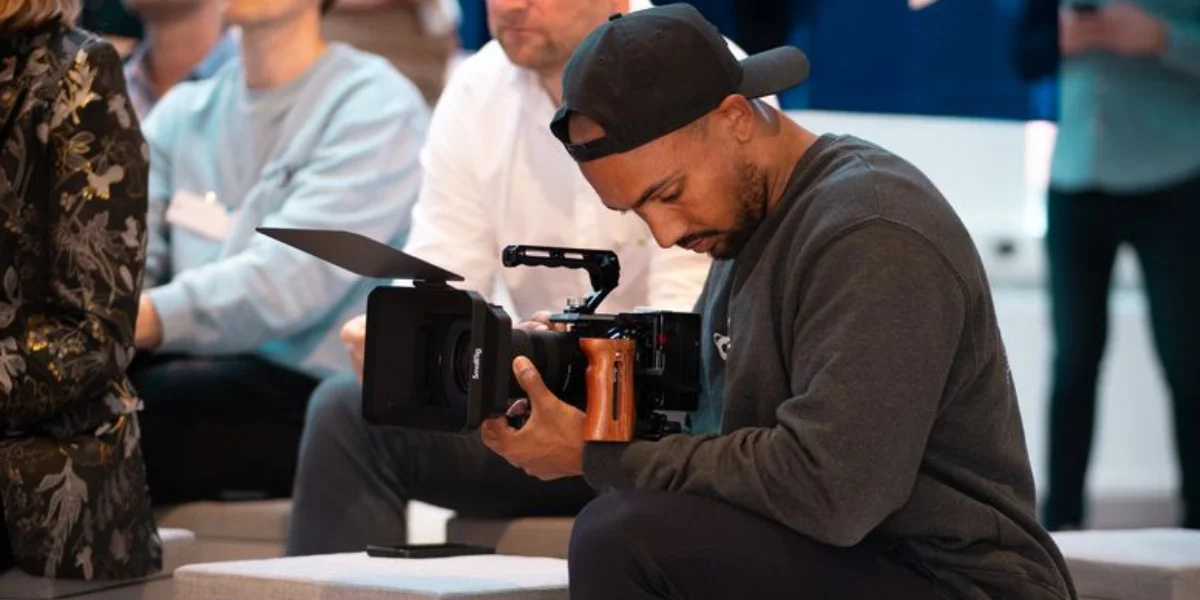
Good preparation helps reduce delays and avoid extra costs. Before you confirm your shoot, make sure your team agrees on the goal, schedule and final deliverables.
Use this checklist:
- Set the goal: Decide whether the video is for brand awareness, recruitment, a product launch or advertising.
- Choose the location: Match the setting to your message and audience.
- Check permissions: Confirm requirements with the city or property owner.
- Build the schedule: Allow time for travel, setup and unexpected delays.
- Confirm deliverables: Agree on video length, formats, subtitles and revision rounds.
- Set the budget: Ask for a written quote that lists included services and extra costs.
Share your brief with the production team early. This gives them time to check location access, plan the crew and suggest practical alternatives if a location is unavailable.
How to Choose a Video Production Company
A suitable production partner should understand both the creative idea and the practical work behind it.
Review examples of similar projects. A team experienced in interviews may suit a company profile, while a product campaign may need specialist lighting and more detailed post-production.
Ask these questions before booking:
- Who will plan and manage the shoot?
- Does the quote include equipment and editing?
- Who checks filming permissions?
- How many revisions are included?
- When will the final videos be delivered?
Clear answers help you understand what you are paying for. They also make it easier to compare suppliers on more than price alone.
Clix Productions creates commercial videos, brand films, interviews, event content and other business videos. Share your goals, preferred locations and budget to discuss a production plan that fits your project.
Frequently Asked Questions
Do I need a permit to film in Copenhagen?
Outdoor filming on municipal road areas requires permission from the city. Parks and private venues may have separate rules.
How much does a brand video cost?
The price depends on the concept, crew, filming days, locations and editing. Larger productions usually need a higher budget.
Can I film at any public location?
No. Public access does not always allow commercial filming. Check the location's rules before the shoot.
How can I reduce filming costs?
Keep the brief focused, group nearby locations and agree on final deliverables before filming begins.
When should I apply for a filming permit?
Apply as early as possible. The city normally responds within 10 working days to complete applications for road-area filming, but some cases take longer.
Conclusion
Filming in Copenhagen can help your brand create a video with a strong sense of place. Clix Productions helps businesses plan filming locations, permissions, schedules and budgets.
Choose settings that support your message, check access rules and compare quotes based on the full service. Contact Clix Productions at +45 28 76 61 05 to discuss your project and plan your next brand or commercial video.