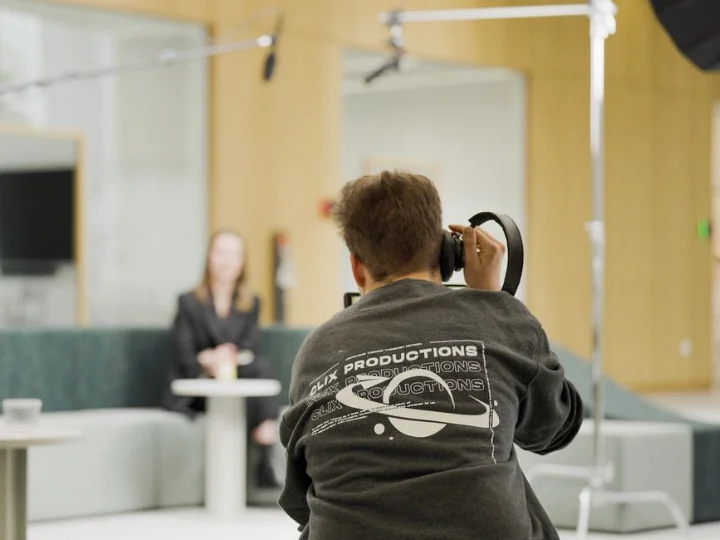


A product video helps businesses show what a product does, explain its key benefits, and give potential customers a clearer reason to buy. A strong product video combines creative strategy, product storytelling, professional filming, and post-production to turn product information into engaging visual content.
For businesses in Denmark, product videos can be used across ecommerce websites, social media, digital advertising, sales presentations, and product launches. The right approach depends on the product, target audience, marketing goal, and platform where the video will be used.
Whether you are launching a new product or improving your existing marketing content, understanding how professional product videos are created can help you choose the right format and production approach.
What Is a Product Video?

A product video is a marketing video designed to demonstrate, explain, or showcase a product. Instead of relying only on written descriptions or product photography, video allows customers to see the product in use and understand its features and benefits more quickly.
A well-planned product video can demonstrate how something works, highlight important details, show real-world applications, and communicate the value of the product.
Product videos are commonly used for product launches, ecommerce pages, advertising campaigns, social media, websites, and sales presentations. Depending on the objective, a video can be highly informative, visually focused, emotional, or promotional.
For businesses working with a professional production team, the goal is not simply to show the product. The production should communicate a clear message that connects the product with the audience's needs.
Types of Product Videos
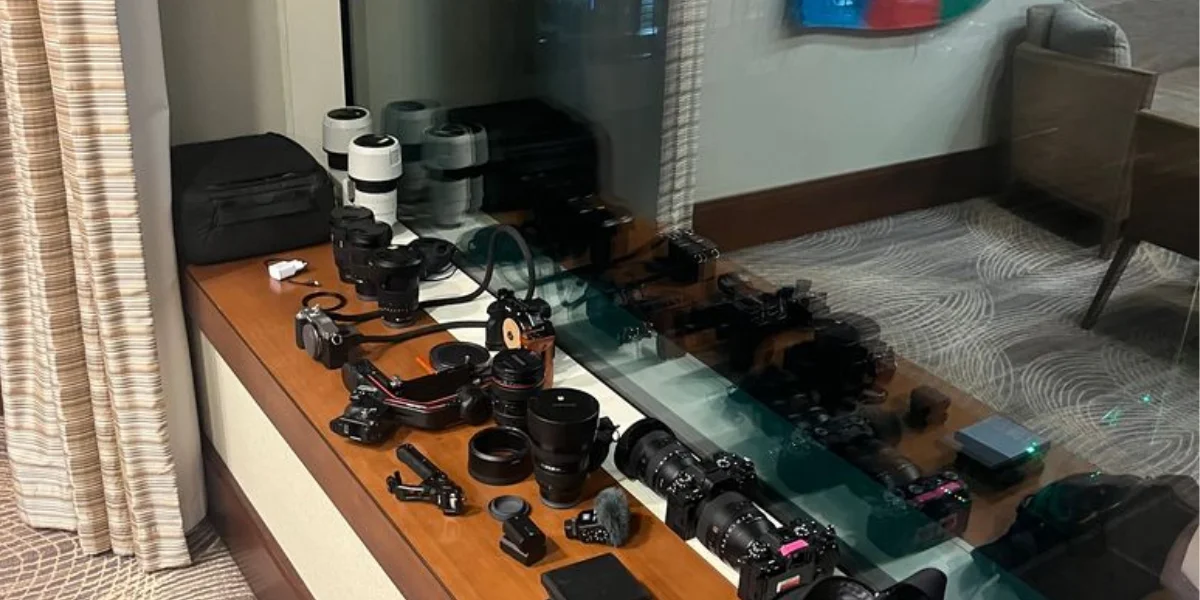
Different products and marketing goals require different video formats. Choosing the right type helps ensure the content communicates the right message.
Product Demonstration Videos
A product demonstration video shows how a product works in real situations. It can walk viewers through the product's main functions, operation, and practical benefits.
This format works particularly well when customers need to understand how a product operates before making a purchase.
Product Explainer Videos
A product explainer video simplifies a product, service, or complex feature. It can combine live footage, animation, voice-over, and motion graphics to make technical information easier to understand.
Product Showcase Videos
A product showcase focuses on appearance, design, materials, quality, and important visual details. Professional lighting, camera angles, close-ups, and controlled movement can make the product look more premium and appealing.
Product Launch Videos
Product launch videos are created to introduce a new product and generate awareness. They can combine product visuals, storytelling, key benefits, and a strong call to action to create interest around a launch.
Lifestyle Product Videos
Lifestyle videos show a product being used in a realistic or aspirational environment. This approach helps customers understand not only what the product does, but how it fits into their everyday lives.
Ecommerce Product Videos
An ecommerce video can be placed directly on a product page to demonstrate features, show the product from different angles, and help customers make more confident purchasing decisions.
How to Make a Product Video
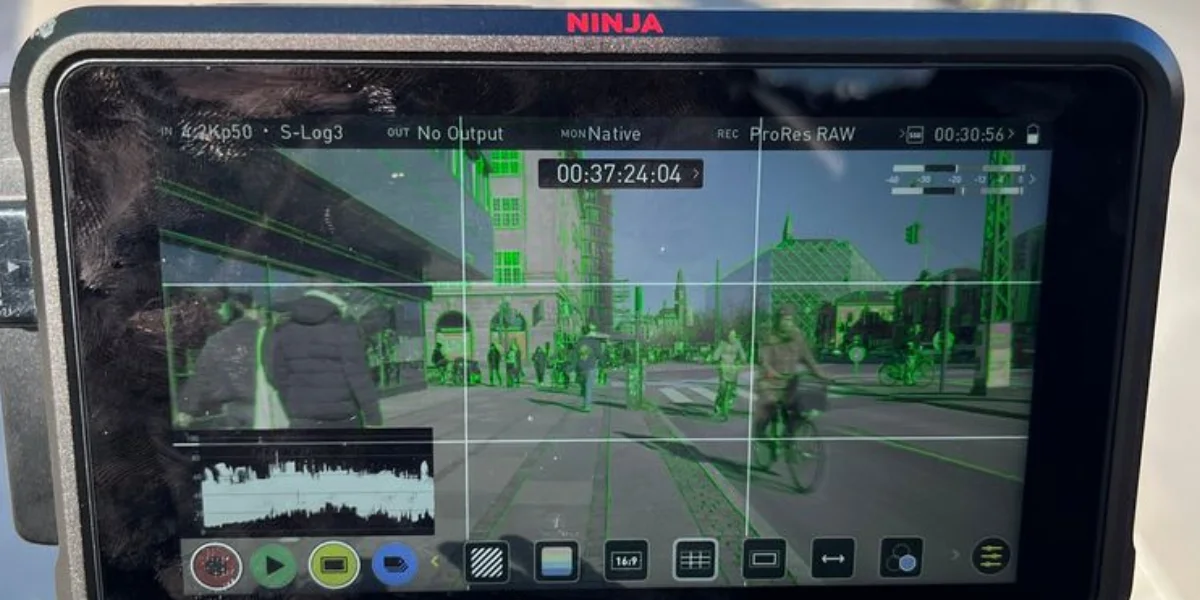
Creating an effective product video requires more than placing a product in front of a camera. Professional production follows a structured process that connects creative decisions with the business objective.
1. Define the Goal and Audience
Start by deciding what the video needs to achieve. The goal might be to introduce a new product, explain a complicated feature, generate leads, support ecommerce sales, or increase brand awareness.
Understanding the target audience is equally important. The message, visual style, language, and level of detail should reflect what your potential customers actually need to know.
A video aimed at existing customers may focus on product features, while an advertising video may focus more heavily on benefits and purchase motivation.
2. Develop the Concept and Script
Once the objective is clear, develop a creative concept that communicates the main message.
Strong scriptwriting keeps the video focused. Rather than listing every feature, concentrate on the problem the product solves and the benefit it provides.
A simple structure can be:
Hook → Problem → Product → Key Benefits → Proof → Call to Action
The concept should also determine the visual style, tone, locations, talent, and overall storytelling approach.
3. Create a Storyboard
A storyboard helps turn the script into a visual plan. It outlines the scenes, product shots, camera angles, demonstrations, transitions, and supporting footage required during filming.
This preparation makes production more efficient because the production team knows what needs to be captured before the cameras start rolling.
For more complex projects, storyboarding can also help the client and creative team agree on the visual direction before production begins.
4. Plan the Production
Production planning covers the practical details required for filming.
This can include selecting locations, preparing the product, arranging lighting, choosing equipment, organizing talent, creating a shot list, and scheduling the filming day.
The product itself should remain the focus. Backgrounds, props, lighting, and locations should support the story rather than distract from the product.
Professional planning is particularly important for commercial projects where multiple people, locations, and production elements need to work together.
5. Film the Product
During filming, the goal is to capture footage that clearly communicates the product while creating a visually engaging experience.
A product videography setup may include:
- Product close-ups
- Demonstration shots
- Detail shots
- Lifestyle footage
- Different camera angles
- Movement shots
- Supporting B-roll
Lighting is especially important because it affects how the product's shape, materials, colors, and details appear on screen.
A professional production team can also use specialized cameras, lenses, lighting, audio equipment, and controlled setups depending on the creative requirements.
6. Edit and Finish the Video
After filming, the footage enters post-production. This is where individual clips are turned into a finished product video.
Video editing establishes the pacing and story, while color correction and grading create a consistent visual appearance. Sound, music, voice-over, captions, and motion graphics can further improve clarity and engagement.
The final edit should remove unnecessary information and keep the viewer focused on the product and its benefits.
Different versions may also be created for websites, social media, advertising, and other marketing platforms.
7. Add a Clear Call to Action
Every product video should give viewers a clear next step.
Depending on the objective, the call to action could encourage viewers to:
- Buy the product
- Visit an ecommerce page
- Request a demonstration
- Contact the company
- Book a consultation
- Learn more about the product
A strong visual story becomes more valuable when it leads the viewer toward a meaningful action.
What Makes a Product Video Effective?
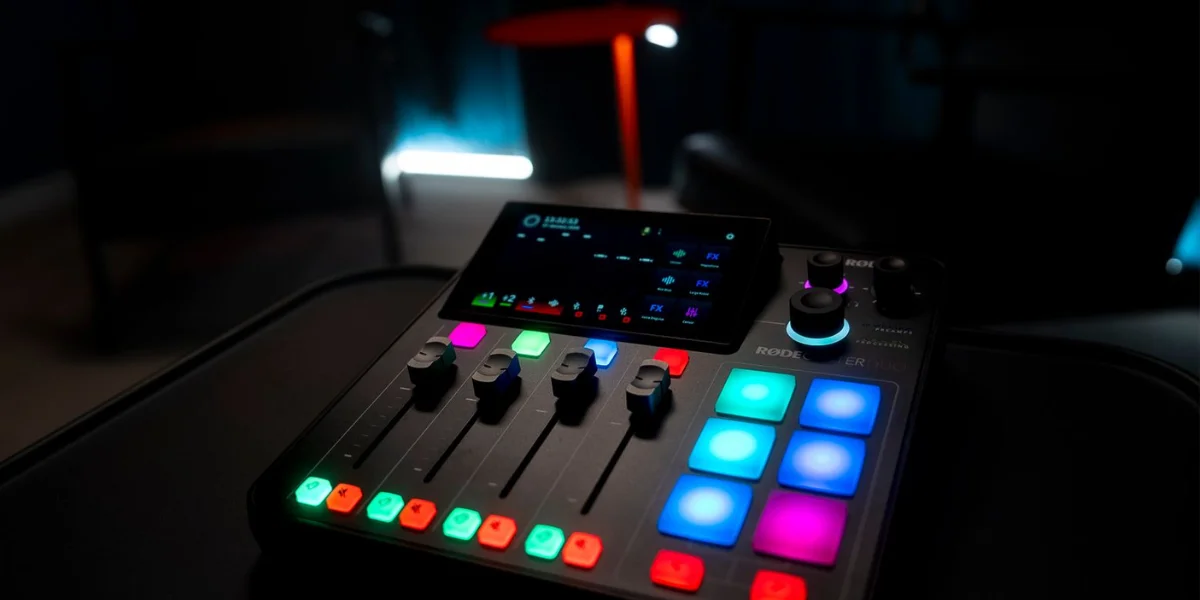
A good product video is not simply about high-quality visuals. It needs to communicate a useful message quickly and make the product relevant to the audience.
The strongest videos usually focus on benefits rather than presenting a long list of technical features. They show the product in use, maintain a clear visual hierarchy, use appropriate pacing, and finish with a relevant call to action.
The production style should also match the brand. A premium product may benefit from cinematic visuals and controlled lighting, while a practical product may work better with a straightforward demonstration.
Most importantly, the video should have a clear purpose. Every scene should contribute to the message rather than existing only because it looks attractive.
Why Work With a Professional Product Video Production Company?

Professional product video production combines creative direction with technical expertise. A production team can manage the process from concept development and scriptwriting through filming, editing, and final delivery.
Working with professionals can provide access to experienced camera operators, lighting specialists, editors, sound professionals, and creative producers. This is particularly valuable when the video will be used for advertising, product launches, ecommerce campaigns, or important brand communications.
A professional product video can also provide greater consistency across multiple marketing channels. The same production can often generate a main product film alongside shorter social media clips, advertising versions, and additional product footage.
For Danish businesses, working with a local product video production company can also simplify communication, planning, locations, and production logistics.
Clix Productions helps businesses create professional product content designed around their products, audiences, and marketing goals.
Where Can You Use Product Videos?

Product videos can support different stages of the customer journey.
Ecommerce: Product pages can use video to demonstrate how an item works and show important details that photography may not communicate.
Social media: Short product videos can capture attention and introduce products through engaging visual content.
Advertising: Product footage can be adapted for paid campaigns across different digital platforms.
Websites: Product videos can explain an offer and help visitors understand its value.
Sales presentations: Demonstrations can help sales teams communicate product benefits more effectively.
When used as part of a broader video marketing strategy, one production can often provide content for several channels.
Professional Product Video vs DIY
Simple product content can sometimes be created internally, particularly for informal social media posts. However, professional production becomes more valuable when the product, campaign, or brand requires a polished presentation.
A professional production may be the better choice when you need controlled lighting, advanced camera equipment, multiple locations, professional talent, detailed product demonstrations, motion graphics, or commercial-level post-production.
The decision should ultimately depend on the video's purpose. If the content represents an important product launch or marketing campaign, investing in professional production can help ensure the final video reflects the quality of the product and brand.
How Much Does Product Video Production Cost?

Product video production costs vary according to the creative concept, production scope, filming requirements, equipment, crew, locations, talent, editing, and post-production.
A simple demonstration filmed in one location requires a very different production setup from a commercial product campaign involving multiple locations, professional talent, advanced lighting, motion graphics, and several final deliverables.
For a broader breakdown of production budgets and pricing factors, to Video Production Cost.
Product Video Projects in Denmark
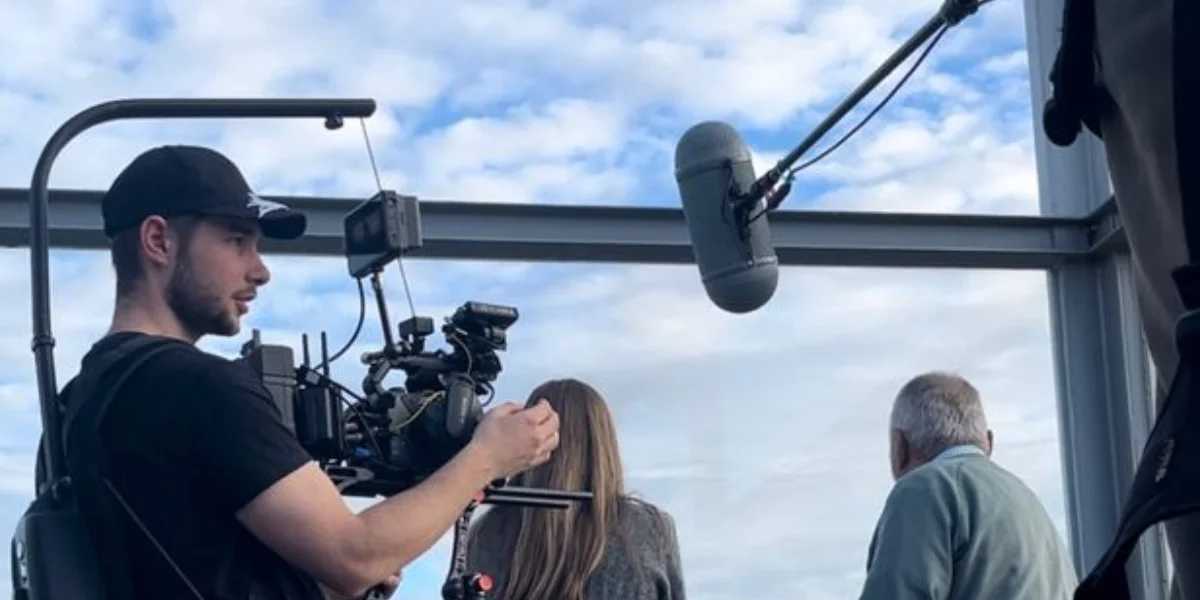
Looking at previous work is one of the best ways to evaluate a production company's experience and creative capabilities.
Clix Productions develops video content for businesses with different products, audiences, and marketing objectives. Reviewing relevant Product video projects can help you understand how professional production can be adapted to different products and visual styles.
For each project, the focus should remain on communicating the product clearly while creating content that fits the brand and intended marketing channel.
Frequently Asked Questions
What makes a good product video?
A good product video has a clear message, strong visuals, professional production quality, and shows how the product benefits the customer.
How do you make a product video?
Start with the goal and target audience, then develop the concept, script, storyboard, filming plan, production, editing, and final call to action.
How long should a product video be?
The ideal length depends on the product, audience, and platform. Short videos work well for social media, while detailed product demonstrations can be longer.
What should a product video include?
A product video should include the product's key features, benefits, demonstrations, relevant visuals, branding, and a clear call to action.
How much does it cost to make a product video?
The cost depends on the concept, filming, crew, equipment, location, editing, motion graphics, and overall production requirements.
Conclusion
A successful product video combines a clear marketing objective with strong storytelling, professional visuals, and a focused message. From choosing the right format and developing the script to filming, editing, and final delivery, every stage should help the audience understand the product.
For businesses in Denmark, professional product video production can turn complex features into engaging visual content for ecommerce, advertising, social media, sales, and brand marketing.
Clix Productions helps businesses create professional product videos from creative concept to final delivery. Call +45 2876 6105 to discuss your next product video project.