
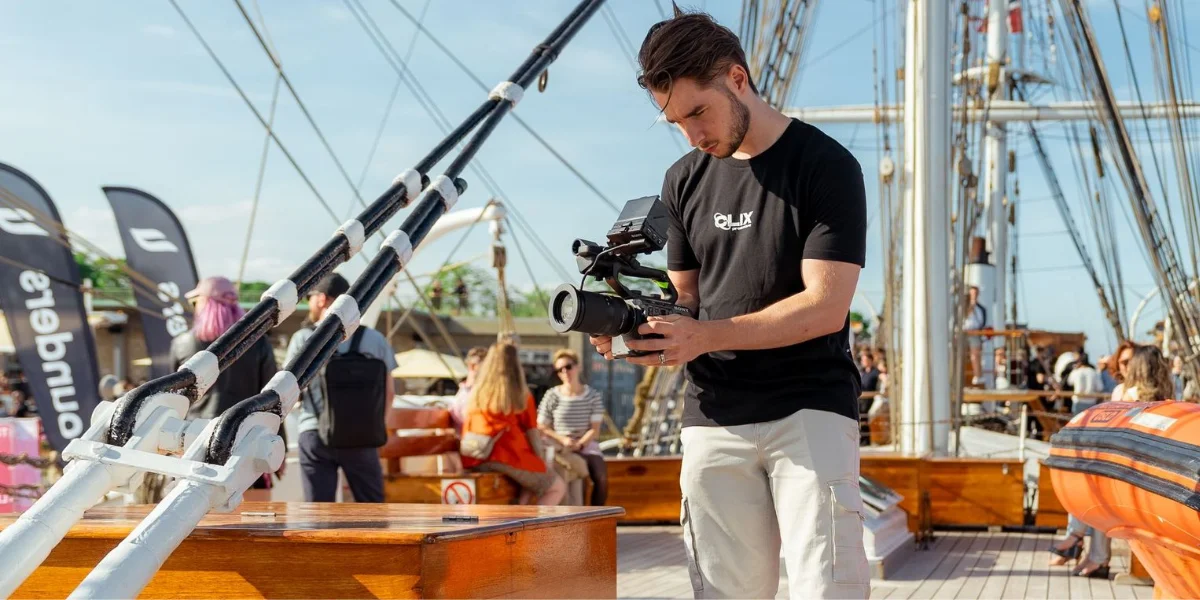
When a business needs a video quickly, the challenge is rarely just getting a camera crew on set. A successful project also requires production planning, filming, editing, feedback and final delivery to happen within a limited timeframe.
These video production case studies show how Clix Productions approaches projects where timing matters. From corporate and commercial productions to event and brand content, the key is having a clear production plan, the right team and an efficient workflow from the first brief to the finished video.
The Challenge of Video Production Under Tight Deadlines
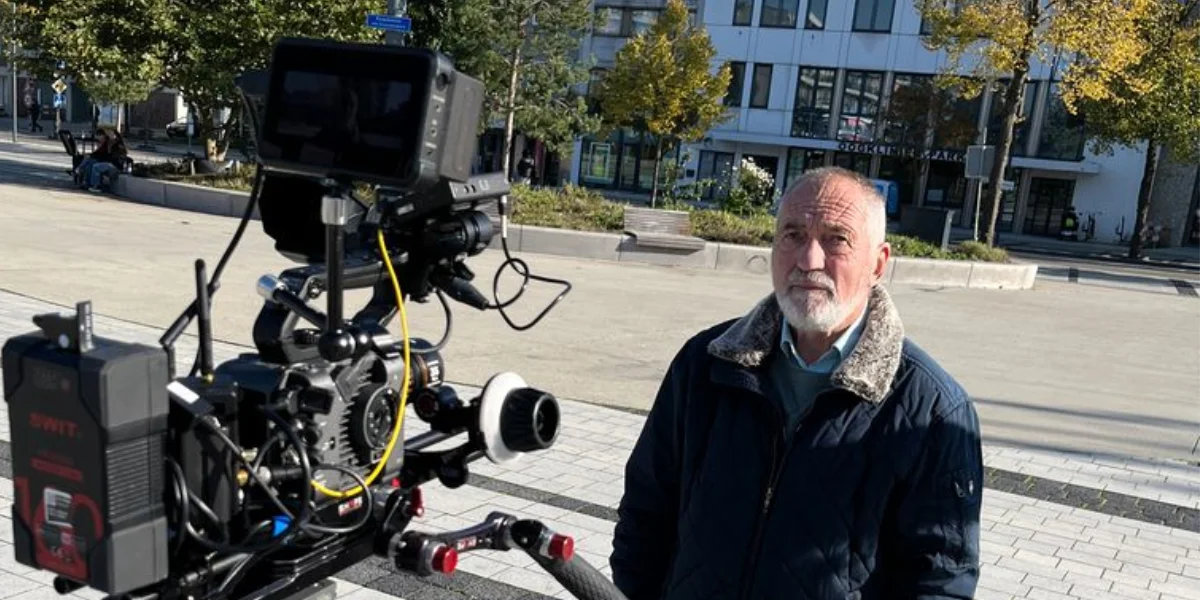
Tight deadlines can put pressure on every stage of a production.
A normal project may have several weeks for creative development, scheduling, filming, editing and revisions. A fast-turnaround project may need many of these steps completed within days.
The main challenges usually include:
- Limited time for production planning
- Coordinating crew, equipment and locations
- Scheduling talent or speakers
- Capturing all required footage efficiently
- Completing video editing quickly
- Managing client feedback and revisions
- Preparing multiple final formats
- Meeting a fixed launch, event or campaign date
This is why video production under tight deadlines requires more than simply working faster. The production team needs to identify potential problems before filming begins and create a workflow that keeps the project moving.
For businesses, this can be especially important when a video is connected to a product launch, event, campaign, announcement or important marketing deadline.
How Clix Productions Delivers Video on Tight Deadlines

Fast turnaround video production starts before the cameras are switched on.
At Clix Productions, the first step is understanding what the video needs to achieve, who it is for and when the final content is required. From there, the production can be structured around the deadline.
The approach is adjusted to the specific requirements of each project, from corporate and commercial content to event and brand productions. You can see examples of different video production projects across Clix Productions' portfolio.
1. Start With a Clear Production Plan
A clear brief helps the production team make decisions quickly.
The team can establish the concept, required shots, locations, talent, equipment, deliverables and approval process before filming begins. This reduces unnecessary changes once production is underway.
2. Build the Right Production Team
The size and structure of the production team should match the project.
A simple corporate interview may require a very different setup from a commercial production involving multiple locations, talent and specialist equipment.
Having the right people involved from the beginning helps avoid unnecessary delays and keeps responsibilities clear.
3. Prepare Before the Shoot
Good preparation can save significant time on production day.
Locations, schedules, equipment, scripts, shot lists and other requirements should be confirmed before filming. When everyone knows what needs to happen, the crew can focus on capturing the footage rather than solving avoidable problems.
For more insight into what happens during production, behind the scenes of a professional video project can show how planning and execution come together.
4. Keep Filming Focused
A tight schedule requires an efficient shoot.
The production team needs to prioritize essential footage while still capturing enough material for the edit. Clear shot lists and production schedules help keep the day organized.
5. Move Quickly Into Post-Production
Video editing and post-production can become the biggest part of a compressed timeline.
The editing process needs to begin with a clear understanding of the intended final video, required formats and approval stages. This allows the team to identify issues early rather than waiting until the end of the project.
6. Keep Feedback Organized
Client feedback can either keep a project moving or create delays.
A clear review process helps the client provide focused feedback while giving the production team specific changes to address.
Real Video Production Case Studies From Clix Productions
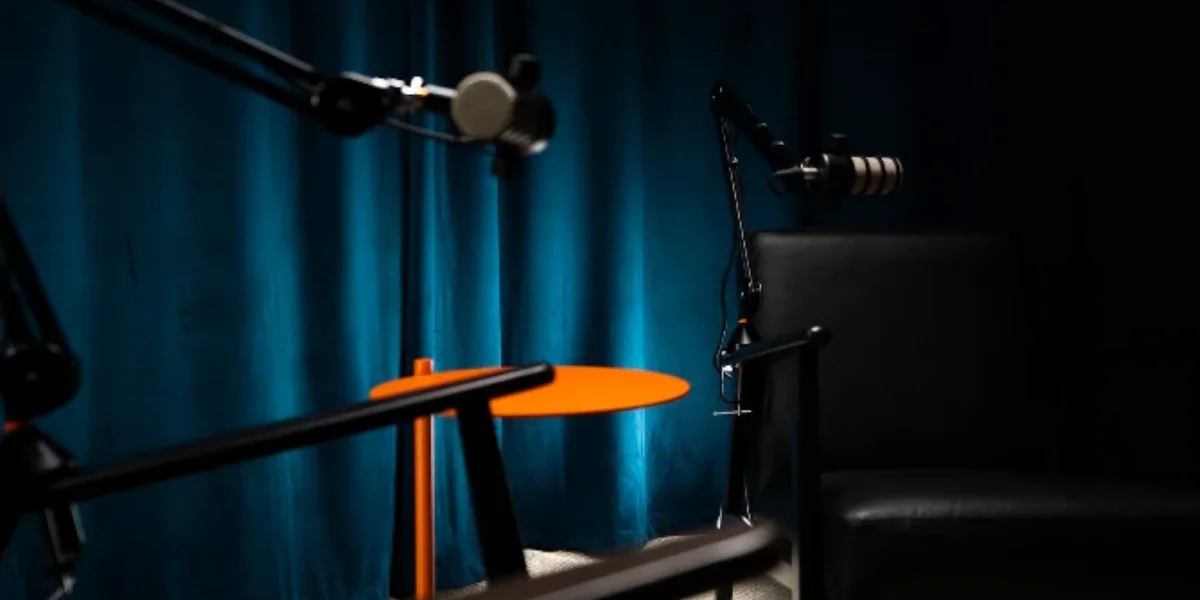
The best way to understand a production company's capabilities is to look at its actual work.
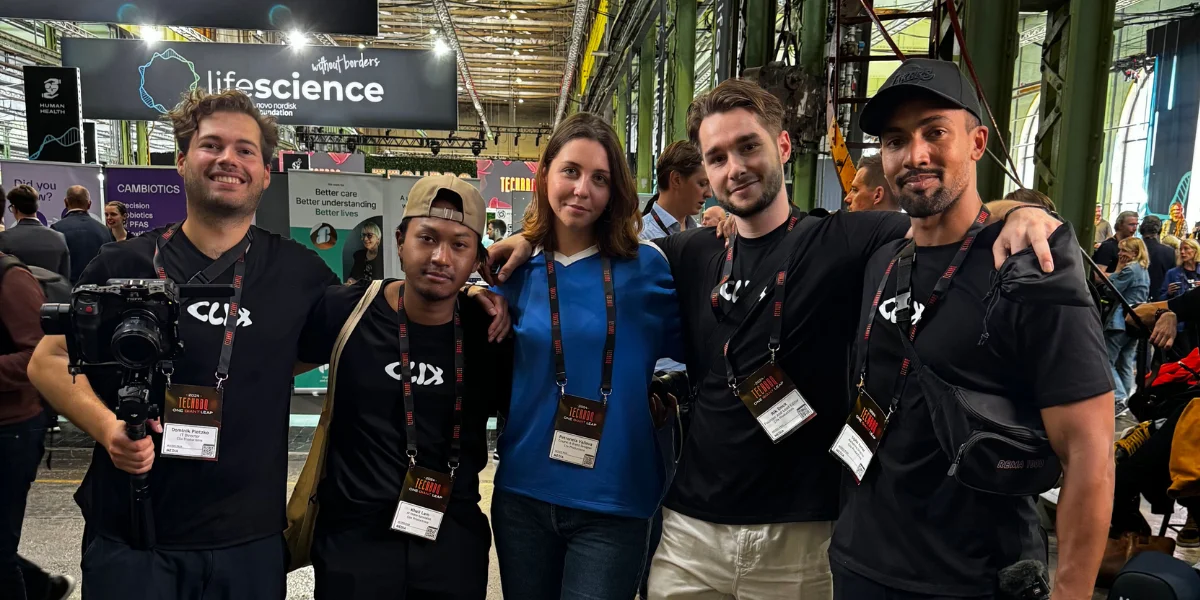
Clix Productions works across corporate, commercial, event and brand projects, with different productions requiring different creative and logistical approaches.
Corporate Video Production
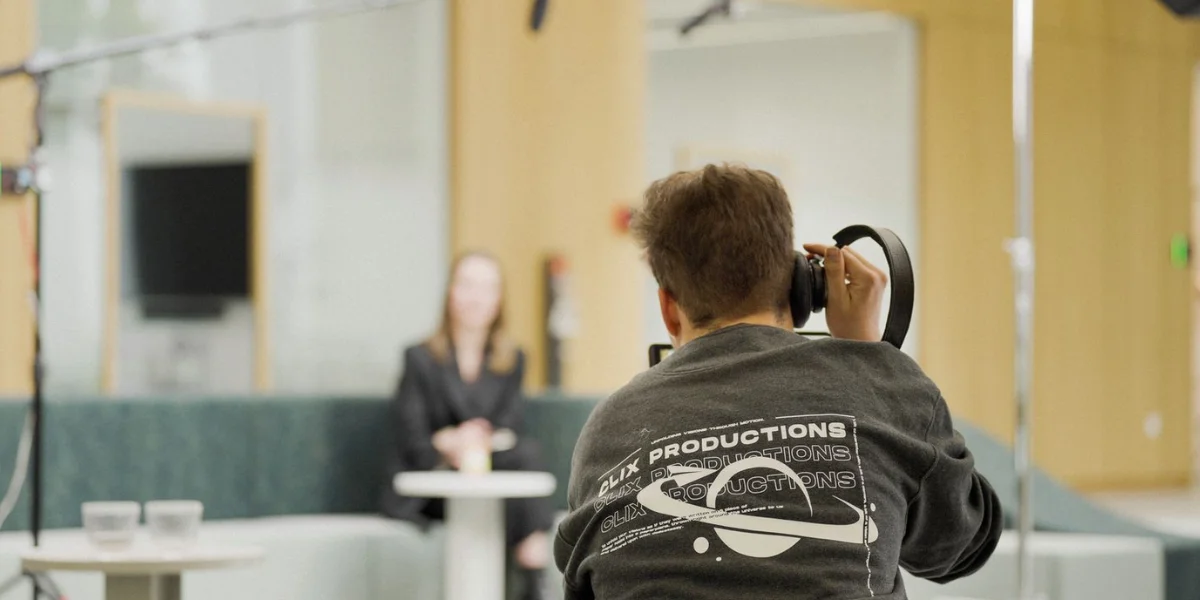
Corporate projects often involve interviews, leadership content, company stories, events or professional brand communications.
The challenge is to make the content feel polished and engaging while working around busy schedules and fixed filming requirements.
A Corporate Video Production Case Study demonstrates how production planning can help coordinate interviews, lighting, sound, filming and post-production without making the process unnecessarily complicated.
The same principle applies whether the final video is intended for a company website, internal communication, social media or a broader marketing campaign.
Commercial Video Production
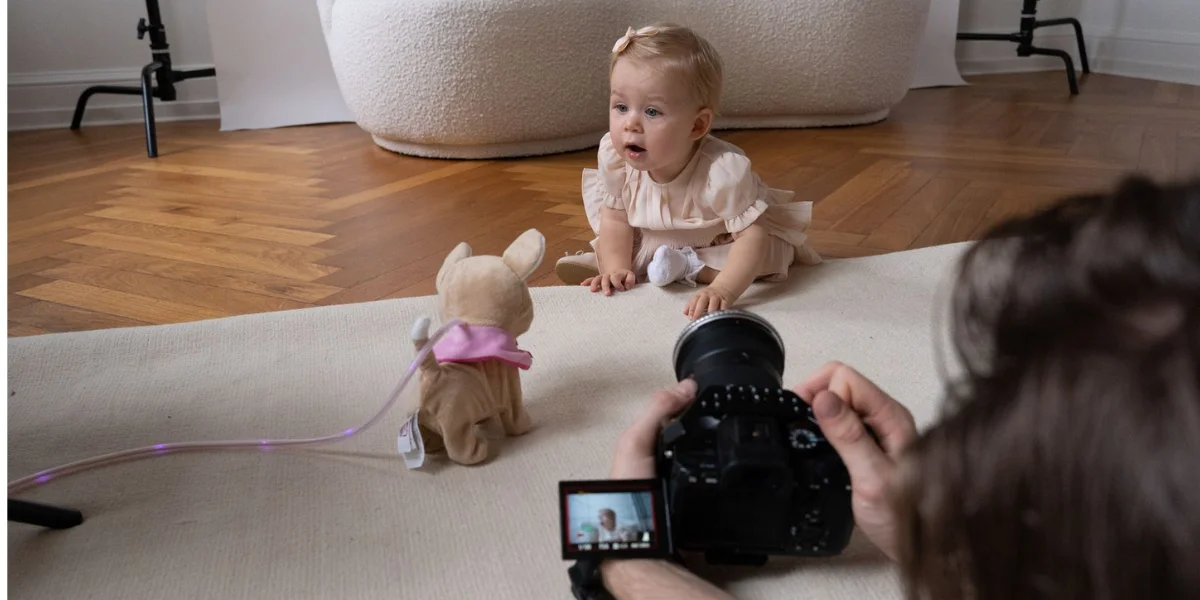
Commercial projects can involve considerably more creative planning, particularly when they require campaign concepts, multiple locations, talent, products, props and detailed post-production. Commercial Video Production services may involve several moving parts, making careful planning essential when the final delivery has a tight deadline.
A Commercial Video Production Case Study may include campaign concepts, locations, talent, products, props, multiple shots and detailed post-production.
For Clix Productions, the production process needs to balance creative ambition with the practical requirements of the schedule. Pre-production is particularly important because decisions made before filming can have a major impact on how efficiently the shoot and edit can be completed.
Brands can also use the latest commercial video trends as inspiration when developing creative concepts, but the final production should always be built around the campaign's specific objective and audience.
Event Video Production
Event production presents a different challenge because the schedule is often fixed.
An event cannot simply be postponed because the production team needs another day. Important moments happen once, which means the crew needs to understand the event schedule and identify what needs to be captured before filming begins.
An Event Video Production Case Study can include event coverage, interviews, atmosphere, key moments and supporting footage that can later be shaped into a finished video.
Fast post-production can also be important when event content needs to be published shortly after the event.
Brand Video Production
Brand videos require more than simply recording footage.
A Brand Video Production Case Study focuses on how the production communicates a company's identity, message and story through visuals, interviews, locations and creative direction.
The goal is to create content that feels consistent with the brand while still being useful across the channels where the video will be published.
What These Video Production Case Studies Reveal
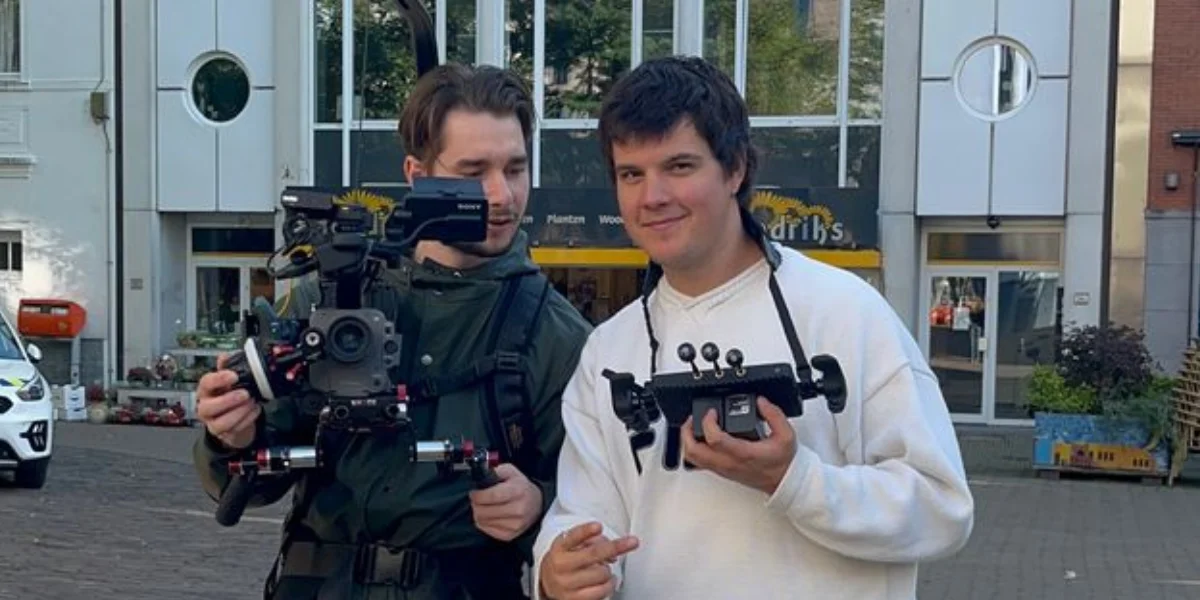
Across different types of professional video production, several lessons remain consistent.
Preparation creates speed. Rushing preparation usually creates more problems later. A clear brief and production plan allow the team to move faster when filming begins.
The right team matters. Tight deadlines require people who understand their responsibilities and can make decisions efficiently.
Editing needs to be considered early. The final deliverables should influence what is captured during production.
Communication reduces delays. Clear client feedback and defined approval stages help prevent unnecessary revision cycles.
Speed should not mean lower quality. Fast production is most effective when efficiency comes from better organization rather than cutting important production steps.
For businesses comparing production partners, choosing the right video agency should therefore involve more than looking at a showreel. The company's process, communication and ability to manage real production requirements matter too.
How Long Does a Fast-Turnaround Video Production Take?
There is no single timeline for every video project.
A simple interview-based video may move from brief to final delivery much faster than a commercial production involving multiple locations, talent, complex editing or motion graphics.
A typical workflow looks like:
Brief → Production Planning → Filming → Editing → Client Review → Revisions → Final Delivery
The timeline can be affected by:
- Video type and creative complexity
- Number of filming locations
- Crew and equipment requirements
- Casting and talent availability
- Editing requirements
- Motion graphics or animation
- Number of final deliverables
- Client approval time
The most useful approach is to establish the deadline at the beginning and then work backward to determine what needs to happen at each stage.
What Can Delay a Video Production Project?
Even an experienced video production company can face delays when important information or approvals arrive late.
Common causes include:
- An unclear creative brief
- Late approval of scripts or concepts
- Changes to locations
- Talent availability problems
- Additional filming requirements
- New deliverables added during production
- Slow client feedback
- Multiple rounds of revisions
Many of these issues can be reduced through better project management.
For example, confirming the final deliverables before filming can prevent the need to recreate footage later. Similarly, having one person responsible for collecting client feedback can make the review process much more efficient.
How Clients Can Prepare for a Fast Video Production
Clients also play an important role in keeping a project on schedule.
Before production begins, it helps to have:
A Clear Objective
Know what the video needs to accomplish. A product video, recruitment video, event recap and commercial will require different creative approaches.
Approved Creative Direction
The concept, script or general direction should be agreed upon before filming whenever possible.
Confirmed Locations and Talent
Locations, speakers, actors and other participants should be available according to the agreed production schedule.
Final Deliverables
Decide where the video will be used and what formats or versions are required.
A Clear Feedback Process
Assign someone to coordinate feedback and approvals. This avoids conflicting instructions and unnecessary revision cycles.
This preparation allows video production services to operate more efficiently and gives the production team a better chance of meeting an aggressive deadline.
Frequently Asked Questions
How quickly can a video production company deliver a video?
The timeline depends on the project's scope, filming requirements, editing complexity and approval process. Simple projects can move quickly, while larger commercial productions require more planning and post-production.
How long does professional video production take?
Professional video production can take anywhere from a few days to several weeks or longer. The required timeline depends on the concept, number of filming days, locations, crew, editing and final deliverables.
Can a video be produced on a tight deadline?
Yes. A tight deadline is achievable when the brief, production schedule, resources and approval process are clearly organized from the beginning.
Does a tight deadline affect video quality?
Not necessarily. A well-planned production can move quickly without sacrificing quality because speed comes from efficient planning, experienced production and organized post-production.
How do video production companies manage tight deadlines?
They typically manage deadlines through detailed pre-production, efficient scheduling, appropriate crew and equipment, organized editing workflows and clear client approvals.
Conclusion
Tight deadlines do not have to mean lower-quality video. With the right planning, production team and workflow, businesses can achieve fast delivery without compromising the final result.
Clix Productions helps businesses produce corporate, commercial, event and brand videos efficiently, from planning and filming to editing and final delivery.
A well-managed production process keeps every stage focused on the deadline and the quality of the final video. If you have a project with a tight deadline, contact Clix Productions at +45 28 76 61 05 to discuss your production needs.