
Paid advertising gives businesses a direct way to reach potential customers, but getting an advertisement in front of someone is only the beginning. The creative itself has to earn attention, communicate the message quickly and give the viewer a reason to continue.
This is where advertising video production can make a meaningful difference for businesses in Copenhagen, Denmark.
Advertising video production for paid media is the end-to-end creation of short, strategic video assets engineered specifically to convert viewers, lower acquisition costs and scale across channels such as Meta, YouTube and TikTok.
A well-produced advertisement can show a product in use, demonstrate a service, introduce a brand or explain a problem in a way that static advertising cannot always achieve. More importantly, the production should be planned around the campaign rather than created as a standalone piece of content.
The strongest paid campaigns are built with a clear understanding of who the audience is, what they need to know and what action the business wants them to take.
Start With the Advertising Goal, Not the Camera
A common mistake is beginning a commercial project with questions about locations, equipment or visual style before defining what the advertisement needs to achieve.
The first question should be much simpler: What should the viewer understand or do after watching this?
A business introducing a new service may need an informative video that explains the problem it solves. A product company may benefit from showing the product being used in a real situation. A business targeting people who have already visited its website may need a more direct message that addresses hesitation and encourages them to return.
These are different advertising situations, so they should not all receive the same creative treatment.
This is why professional video production for marketing starts with the campaign objective. The concept, script, filming style and editing can then be developed around that objective.
Professional video production for marketing starts with the campaign objective. The concept, script and editing can then follow that goal. Explore professional video projects for examples.
Match the Video to the Customer Journey
People do not encounter every advertisement with the same level of awareness.
Someone seeing a company for the first time may not know what it offers. Another person may already understand the service but be comparing several providers. A previous website visitor may simply need a useful reason to take another look.
Video can support each stage, but the message needs to change.
This approach also makes the production more useful over time. Instead of investing in one video and using it everywhere, a business can create several related assets from the same production.
What Makes a Commercial Video Work in Paid Media?
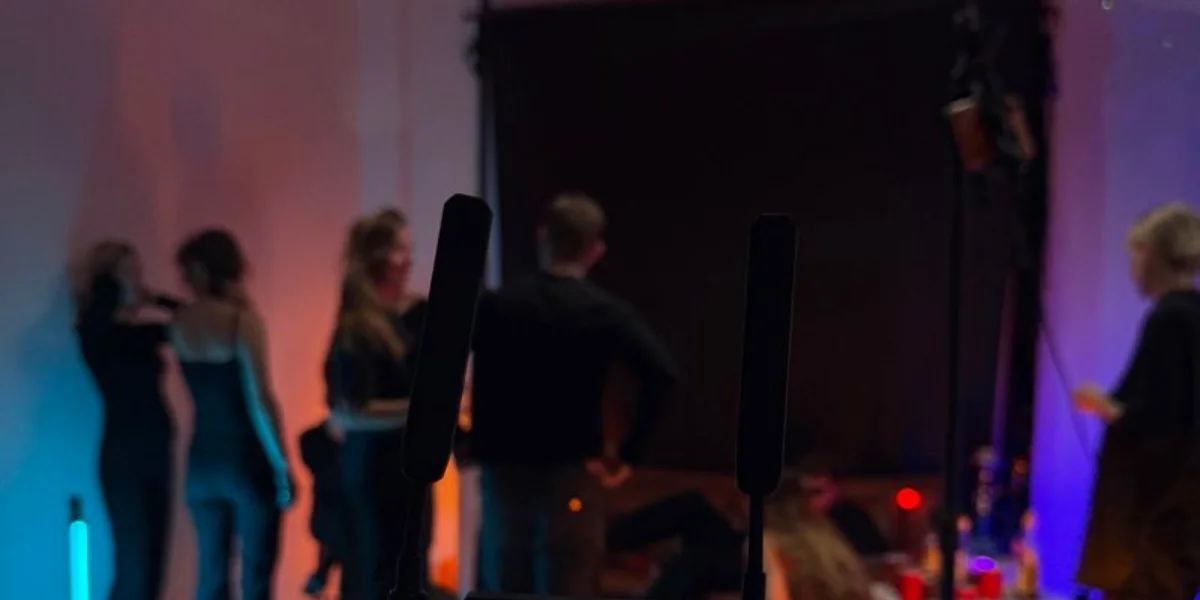
A video can be beautifully filmed and still be ineffective as an advertisement.
Paid media demands clarity. People are often watching while scrolling, multitasking or moving quickly between pieces of content. The advertisement therefore needs to communicate its central idea without unnecessary delay.
Strong commercial video production usually has a few things in common.
The opening gives the viewer a reason to pay attention. The main message is easy to understand. The visuals support what is being said rather than distracting from it. Branding is present without taking over the entire piece. Most importantly, the viewer understands what to do next.
That does not mean every advertisement needs to be loud, fast or heavily edited.
A professional service may benefit from a calm explanation delivered by an experienced person. A consumer product may need energetic demonstrations. A premium brand may rely on atmosphere and carefully composed imagery.
The right style depends on the audience and the offer.
Create Different Versions From One Production
Paid campaigns often perform better when marketers have different creative options to test.
That does not mean producing an entirely separate film for every advertisement.
A carefully planned shoot can provide enough material for a main advertisement, shorter versions, different openings, alternative messages and platform-specific edits.
Interviews can produce several useful statements. Product footage can support multiple campaigns. Supporting shots can give editors more flexibility when creating shorter versions.
This is where experienced commercial videography becomes particularly valuable.
The production team should think about the final advertising requirements before filming begins. If vertical content will be needed later, that should influence framing and composition during the shoot.
If several short advertisements are expected, the filming schedule should capture enough material to support them.
Planning this way can give a business considerably more usable creative from the same production.
Design for the Way People Watch
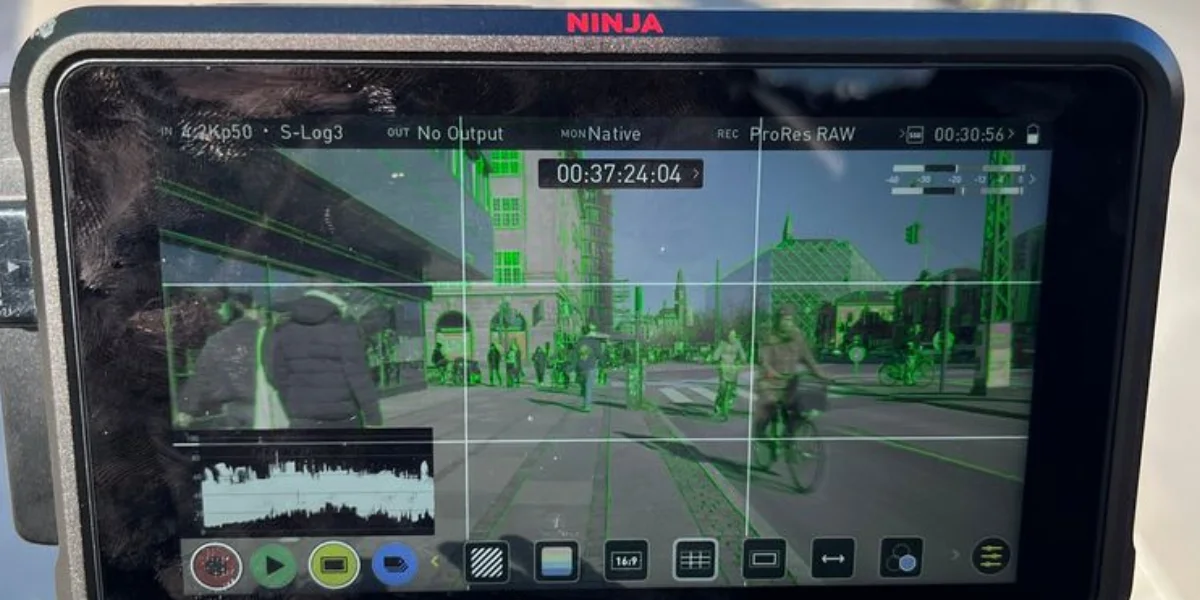
Advertising no longer happens in one standard format. People watch videos on phones, computers, televisions and other connected devices.
Some placements give viewers a larger viewing environment, while others compete with surrounding content on a small mobile screen. This affects production decisions.
A video intended primarily for mobile viewing may need stronger framing, readable on-screen text and a composition that works vertically. A longer brand piece may have more room to establish atmosphere and develop an idea.
Rather than filming one master video and attempting to adapt it later, businesses can discuss the intended placements with the production team before the shoot.
That small planning decision can make the final advertising assets considerably more practical.
Show the Value Instead of Just Describing It
One of the strongest advantages of video advertising is its ability to demonstrate rather than simply describe. A well-planned advertisement can make a product, service or experience easier to understand by showing it in a real context.
Video can help businesses:
- Demonstrate products: Show how equipment, technology or physical products work in real situations.
- Present services clearly: Explain a service through real people, processes and examples rather than relying entirely on written claims.
- Create a sense of place: Hospitality, retail and experience-led businesses can communicate the atmosphere of their environment through visual storytelling.
- Introduce the people behind the business: Showing real team members can make a company feel more approachable and give potential customers a better sense of who they may be working with.
- Build credibility through context: Viewers can see the environment, process and experience behind an offer instead of simply being told about it.
That is one reason video creation services can be useful beyond traditional product advertising. The format can communicate experience, expertise and personality at the same time.
Keep the Message Focused
Trying to explain everything in one advertisement is another common problem.
A company may have ten services, several customer groups and a long list of benefits. Putting all of them into one short video usually makes the message harder to follow.
A better approach is to give each advertisement a clear job.
One video might introduce a particular service. Another could answer a common customer question. A third might demonstrate a product feature. Together, these assets can create a broader campaign without forcing every message into one piece of content.
This also makes testing more meaningful. When each creative has a defined purpose, marketers can better understand which message connects with the audience.
What Is Video Production Really Adding to a Paid Campaign?
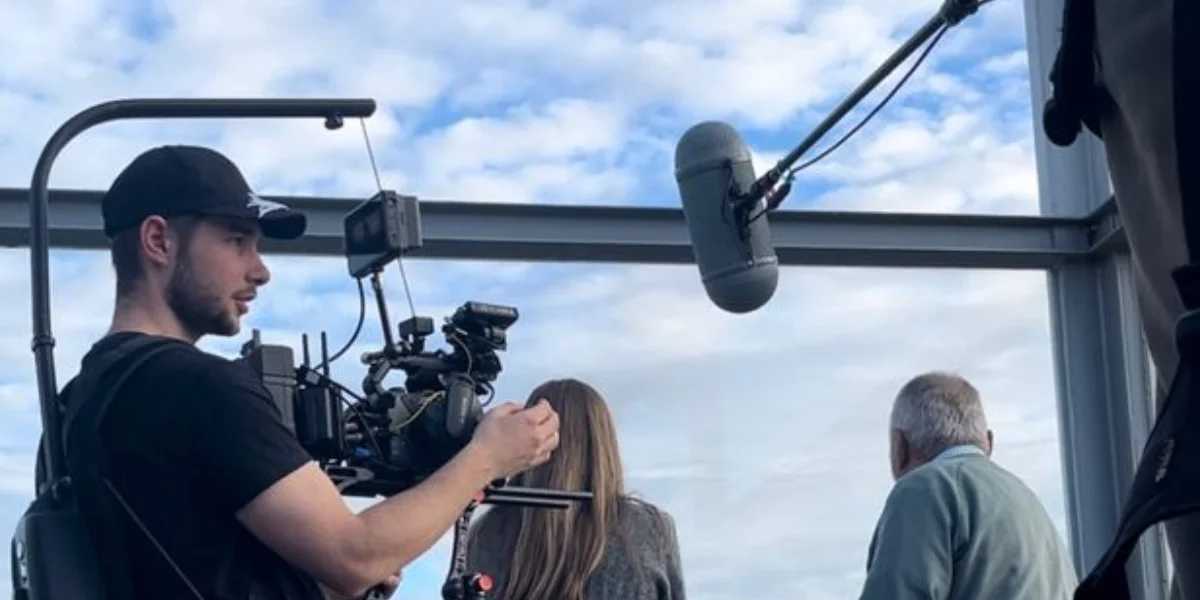
When people ask, what is video production?, they often think mainly about filming and editing. For paid advertising, it is much broader than that.
Production includes the process of turning a marketing objective into a finished visual message. It can involve research, creative development, scripting, casting, location planning, filming, sound, lighting, editing, graphics and final delivery.
Once the footage moves into post-production, proper video editing backup can also help protect the project files and finished assets throughout the editing process. The important part is how those decisions work together.
A high-quality camera cannot fix an unclear message. An impressive location cannot compensate for weak storytelling. A beautifully edited video will not automatically generate enquiries if the audience, offer and call to action are poorly matched.
Good production connects the creative idea with the commercial purpose.
Choosing a Video Production Partner
When comparing video advertising companies, businesses should look beyond a showreel.
The right production partner should be interested in the reason behind the campaign. They should understand the audience, ask where the video will be used and consider how the final material can support the wider advertising strategy.
A promotional video production company should also be able to discuss practical matters such as filming requirements, editing options, different versions and delivery formats.
For larger campaigns, this planning can save time later. It also gives the marketing team more flexibility when the campaign moves from one stage to another.
The relationship should feel like a creative partnership rather than simply hiring someone to operate a camera.
Measure What Happens After the Video Goes Live
Production does not end when the final video is delivered.
Once the campaign is running, its performance can provide useful information for future creative decisions. Depending on the campaign objective, businesses may examine views, engagement, clicks, enquiries, conversions and other relevant advertising metrics.
A particular opening may attract stronger attention. One message may generate more qualified traffic. Another version may work better with a specific audience.
Those findings can guide the next production.
This creates a useful cycle: create the creative, put it in front of the intended audience, study what happens and use those lessons to make the next campaign more relevant.
The objective is not to chase one perfect advertisement. It is to build a better understanding of what the audience responds to.
Build Creative That Can Keep Working
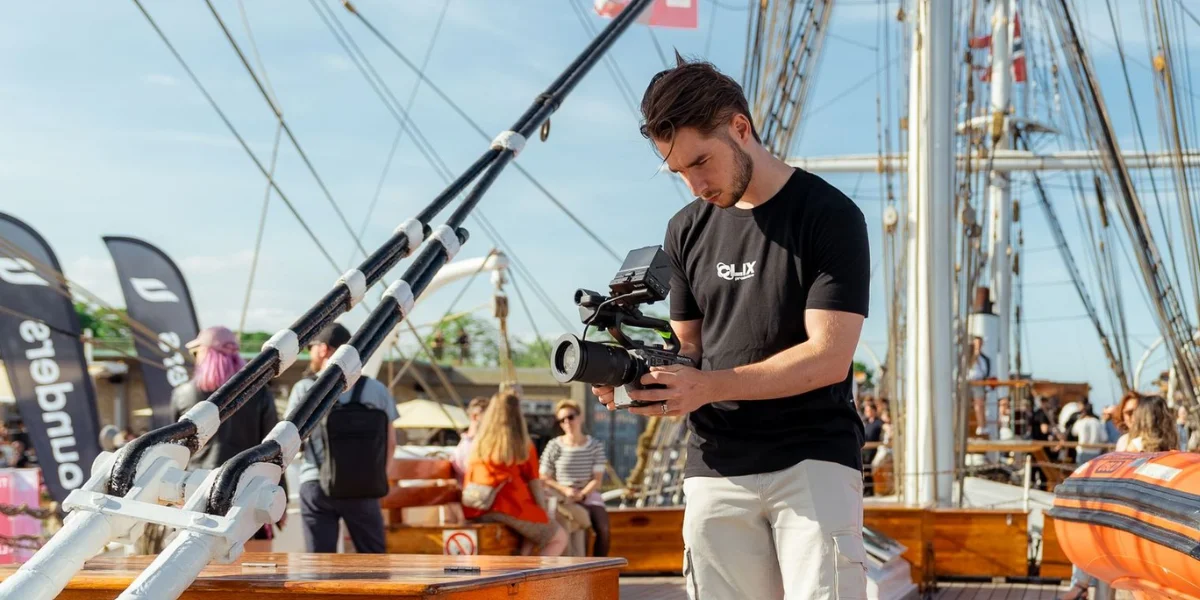
A good production can have a longer life than its original campaign.
Alongside the main advertisement, a shoot can produce useful footage for future campaigns, website pages, social content and other marketing materials. Interviews, product demonstrations, behind-the-scenes footage and environmental shots can all become valuable parts of a company's visual library.
This can be particularly useful for businesses running paid advertising throughout the year.
Instead of starting from nothing every time a new campaign launches, the business has an existing collection of professionally produced material that can be edited and adapted when appropriate.
The result is a more sustainable approach to advertising content.
Why Professional Production Matters
There is a place for quick, informal content, particularly when a business needs to communicate something immediately.
Professional production becomes especially valuable when the advertisement represents an important product, service, campaign or brand investment.
Lighting, sound, composition and professional video editing all influence how the finished advertisement feels. More importantly, professional planning helps ensure that the footage can actually be used for the campaign requirements.
For businesses investing in paid media, that distinction matters.
The objective is not to make a video simply because video is popular. The objective is to create a useful advertising asset that communicates clearly and represents the business appropriately.
Frequently Asked Questions
Is video production effective for paid advertising?
It can be highly useful when the creative has a clear purpose, relevant message and suitable format for the intended audience and advertising placement.
Should every paid campaign use video?
No. The best creative format depends on the product, audience, campaign objective and platform. Video is one option within a wider advertising strategy.
How many videos should a paid campaign have?
There is no universal number. Several focused variations can be more useful than one video trying to communicate every benefit a business offers.
Can one filming day create several advertisements?
Yes. With proper planning, one production can provide footage for a main advertisement, shorter edits and different creative variations.
What should a business provide before production starts?
A clear campaign objective, target audience, key message, offer and intended advertising platforms give the production team a stronger foundation for developing the creative.
Conclusion
Paid advertising works best when the creative gives people a clear reason to stop, understand and respond. Video can help achieve that by combining visual storytelling, sound, movement and real-world demonstrations in a format that is easy to adapt across campaigns.
But successful advertising is not simply about producing the most polished film. It is about understanding the audience, choosing the right message and creating content that serves a genuine marketing purpose.
For businesses looking for professional advertising video production, Clix Productions can help develop commercially focused video content from the initial concept through production and editing.
To discuss your next project, contact Clix Productions on +4528766105.