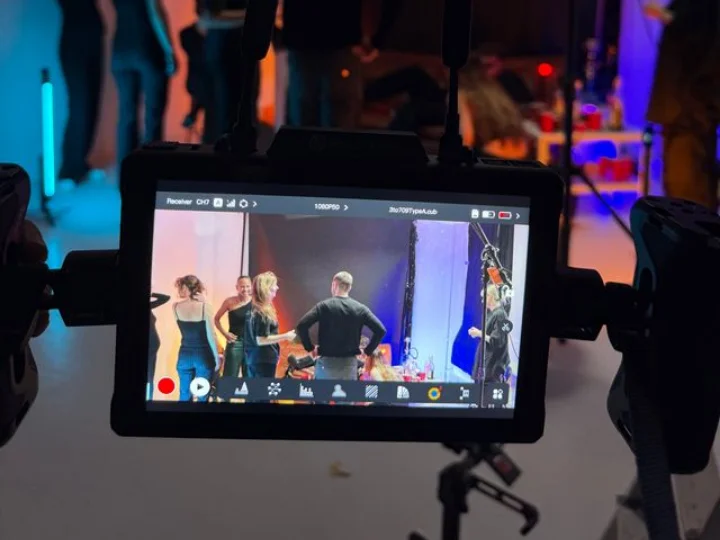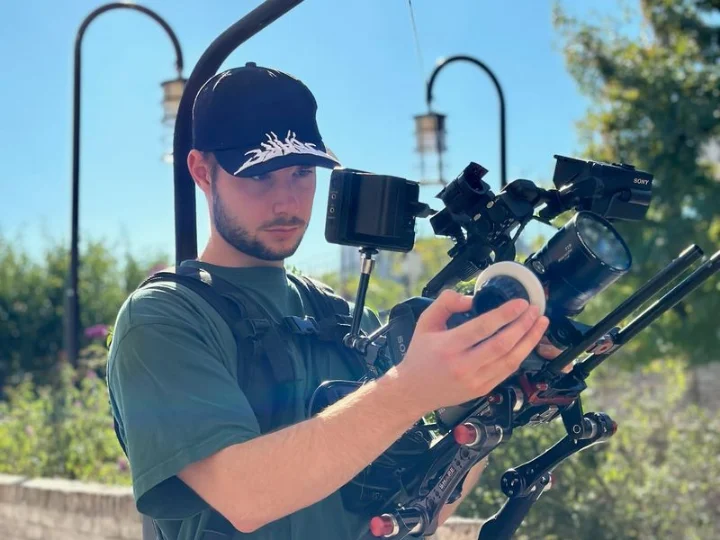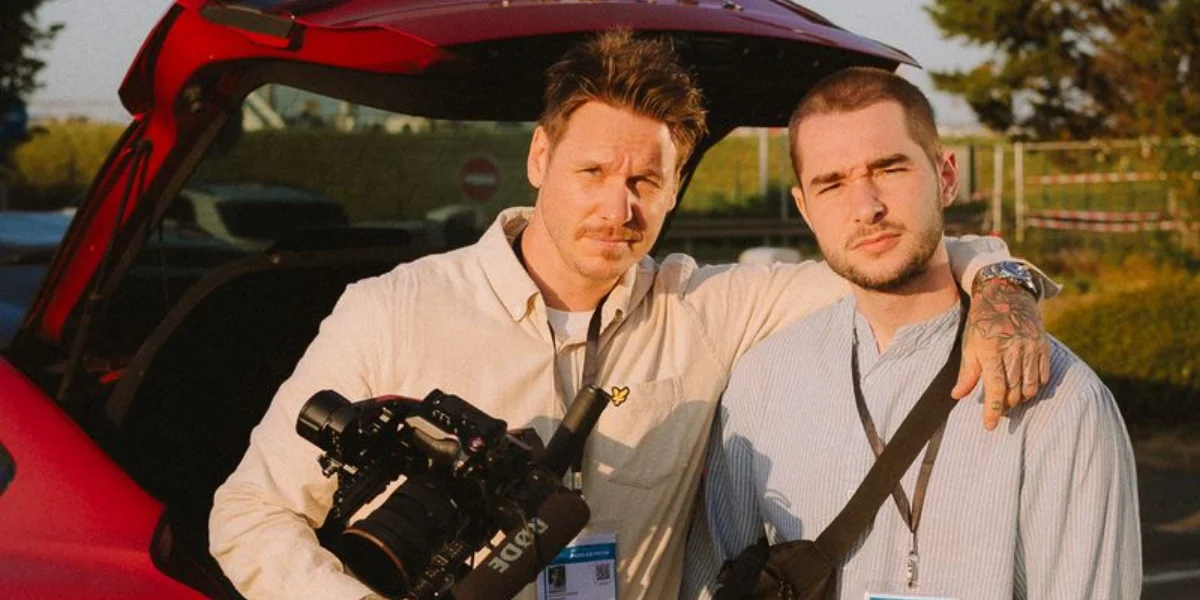

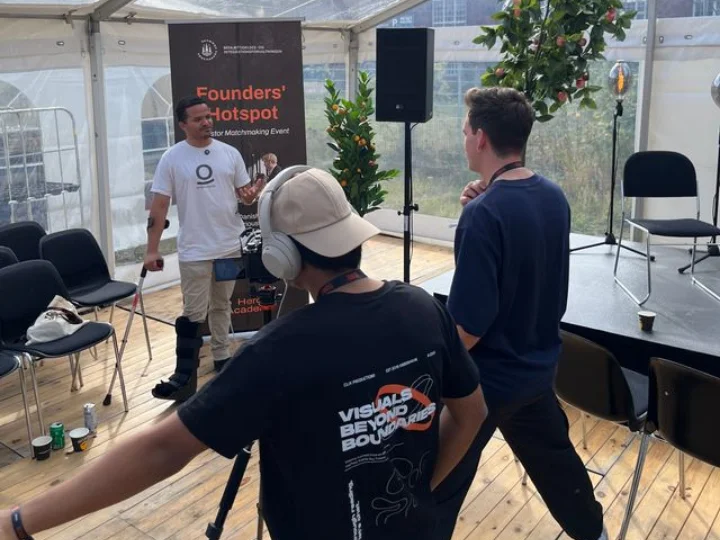
Conference videography helps businesses capture important presentations, expert discussions, and industry insights that can continue delivering value long after an event ends. Professional conference video production gives companies a way to record keynote speakers, film panel discussions, conduct interviews, and create engaging content for their websites, sales teams, and social media channels.
For businesses hosting conferences in Copenhagen or elsewhere in Denmark, a well-planned video production setup can preserve important moments while helping the event reach people who could not attend in person.
From a single keynote presentation to a full conference programme, the right filming approach depends on your event schedule, audience, venue, and intended use of the footage.
Clix Productions helps businesses turn live events into professional video content that supports communication, brand visibility, and future marketing.
Conference Video Production Services
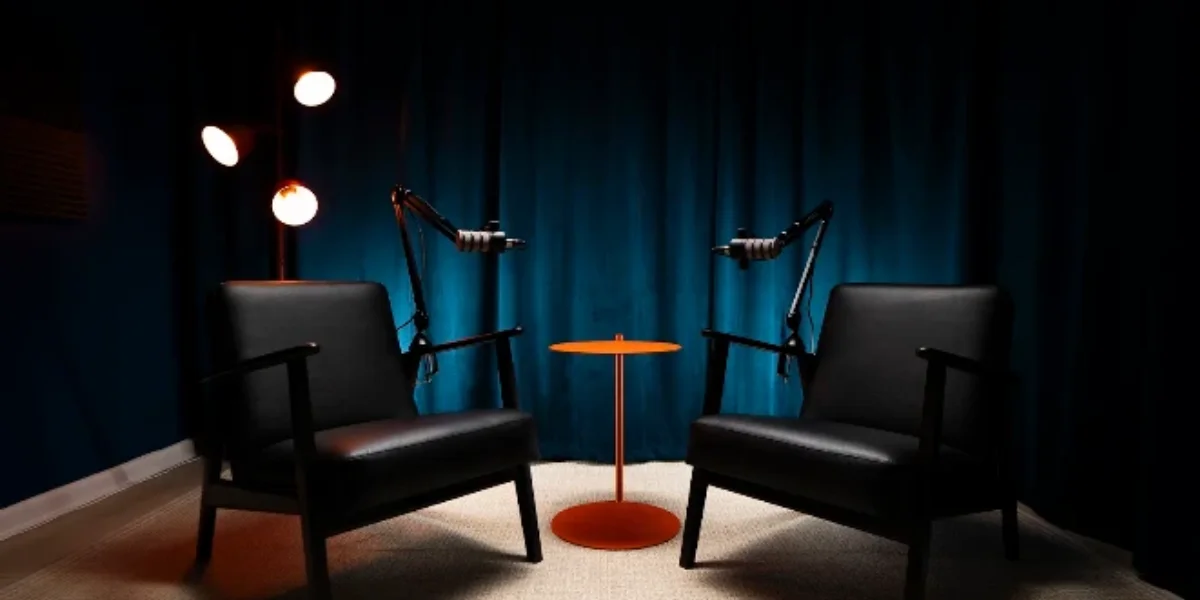
Every conference has different filming requirements. Some organisers need a clear recording of the main presentation, while others want comprehensive coverage of multiple speakers, audience interactions, and interviews.
Choosing the right conference filming services starts with understanding what you need to capture and how the final videos will be used.
Keynote Speaker Recording
Keynote presentations often contain valuable insights, announcements, and expert knowledge. Recording these sessions allows organisers to share important information with attendees, colleagues, customers, and wider audiences after the event.
Professional keynote speaker recording focuses on clear visuals, intelligible audio, and consistent coverage of the presenter. Camera positioning should capture the speaker naturally while keeping the presentation screen or slides visible when required.
Before filming, it is useful to confirm:
- The keynote schedule and presentation duration
- Whether slides or screen content must be included
- The availability of an audio feed from the venue
- Any restrictions on recording or distributing the presentation
- Whether the final video will be published in full or edited into shorter clips
These details help ensure the recording is suitable for its intended purpose, whether it is an internal resource, an educational video, or public-facing business content.
Panel Discussion Filming
Panel discussions bring together multiple speakers, moderators, and audience perspectives. Filming them requires careful planning so viewers can follow the conversation without losing important reactions or changes between speakers.
Panel discussion filming may use a wide shot to establish the full panel, alongside closer shots of individual speakers and the moderator. The number of cameras and operators depends on the panel size, room layout, budget, and desired editing style.
Audio also deserves particular attention. Multiple speakers, audience questions, and moderator comments should be captured clearly enough for viewers to understand the discussion.
If the conference includes audience Q&A, organisers should plan how questions will be recorded. A microphone for audience members or a suitable audio feed can help prevent questions from becoming difficult to hear in the finished video.
Conference Interview Filming
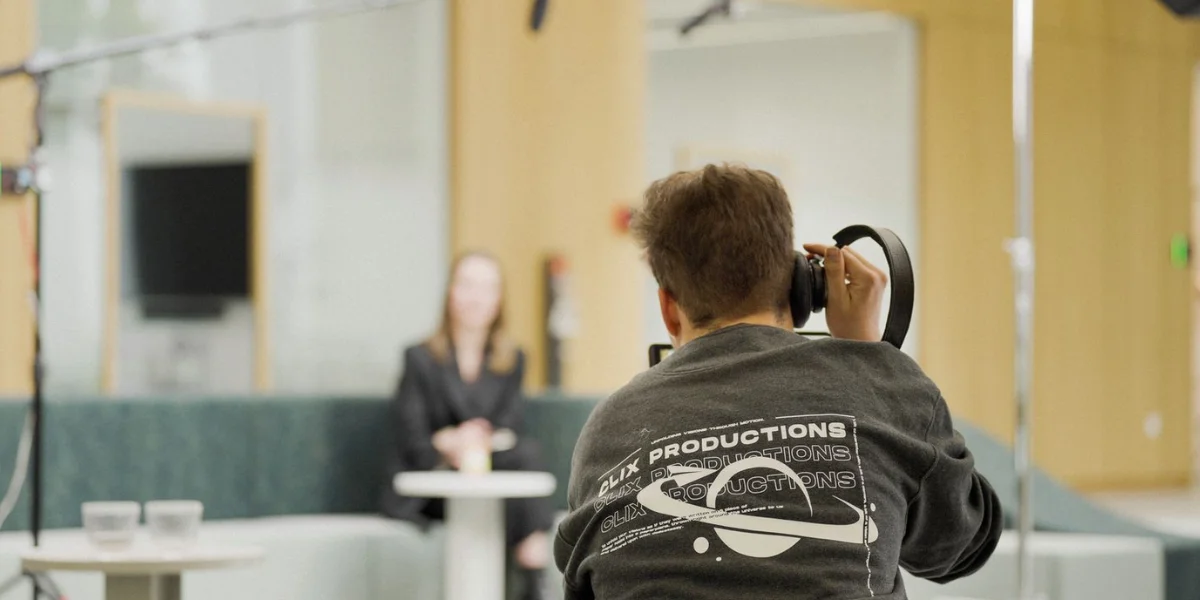
Interviews can add personal insight and practical value to conference coverage. Organisers may interview keynote speakers, industry experts, sponsors, exhibitors, or attendees to capture their perspectives and experiences.
Conference interview filming works best when the questions are prepared in advance and the recording location is selected carefully. A quieter area away from stage noise and heavy foot traffic can improve the quality of the footage.
Good interview planning includes:
- Agreeing on the main questions and intended message
- Scheduling suitable times with speakers
- Choosing a background that fits the event and brand
- Checking lighting and microphone placement
- Confirming permissions for publishing the footage
The resulting interviews can be edited into testimonials, expert commentary, speaker introductions, or short clips for professional social media platforms.
Multi-Camera Conference Recording
Multi-camera conference recording can provide more complete coverage of important sessions. Different camera angles allow an editor to move between the presenter, audience, panel members, and relevant details without relying on a single static shot.
This approach can be particularly useful for long presentations, panel discussions, and conferences where the final recording needs to feel clear and engaging.
However, more cameras do not automatically mean better results. The setup should match the session, venue, budget, and delivery requirements. Audio recording, camera coordination, and synchronisation also need to be considered when planning the production.
Planning Your Conference Video Coverage
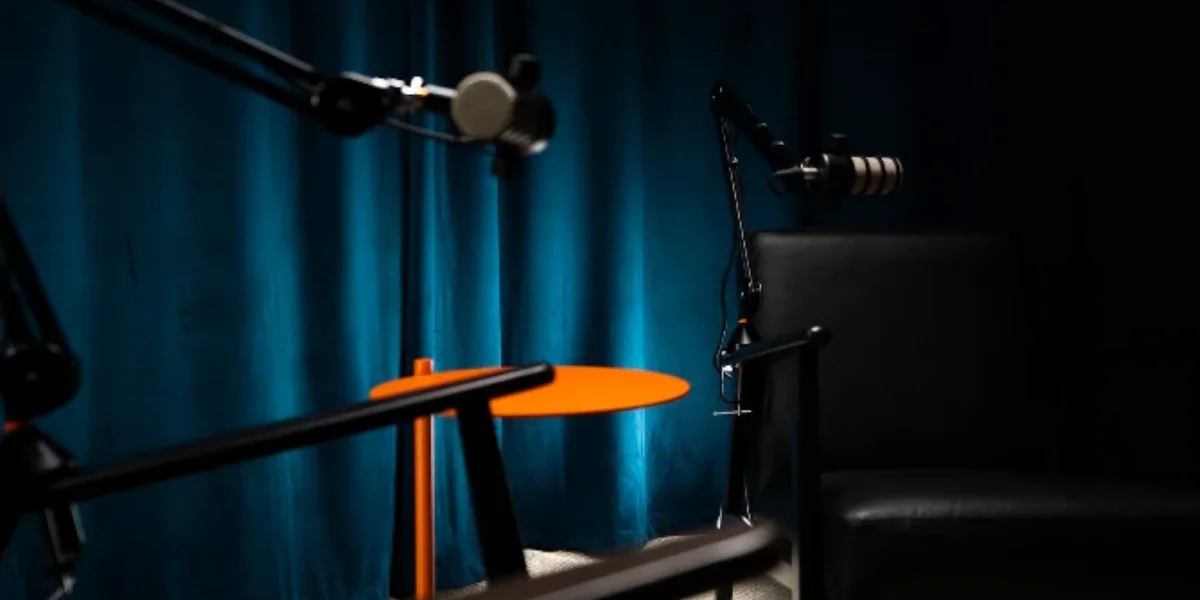
Successful conference filming begins before the first speaker takes the stage. A clear production plan helps the filming team understand the event's priorities and reduces the risk of missing important moments.
Start by reviewing the event agenda. Identify which sessions must be recorded in full, which speakers require interviews, and whether the organiser needs a general highlight video. If several sessions run simultaneously, decide which rooms need coverage and what can realistically be filmed with the available crew.
Venue access is another important consideration. Camera positions, lighting conditions, stage design, audience seating, and available power can affect the filming setup. It is also helpful to coordinate with the venue's audiovisual team about microphone feeds, presentation screens, and recording permissions.
Before the event, confirm:
- The filming schedule and priority sessions
- The number of cameras and crew members required
- Audio access for speakers and audience questions
- Presentation slides or screen content that must be captured
- Interview slots and suitable recording locations
- The expected deliverables and delivery dates
A detailed plan gives the production team a clear brief and helps organisers understand what is achievable within their budget. Following a structured event video coverage planning process helps align filming priorities with the event schedule, audience, and intended use of the footage.
For conferences that form part of a larger brand event, events and activations video production can also cover wider event requirements beyond keynote presentations and panel discussions.
Turning Conference Footage Into Marketing Content
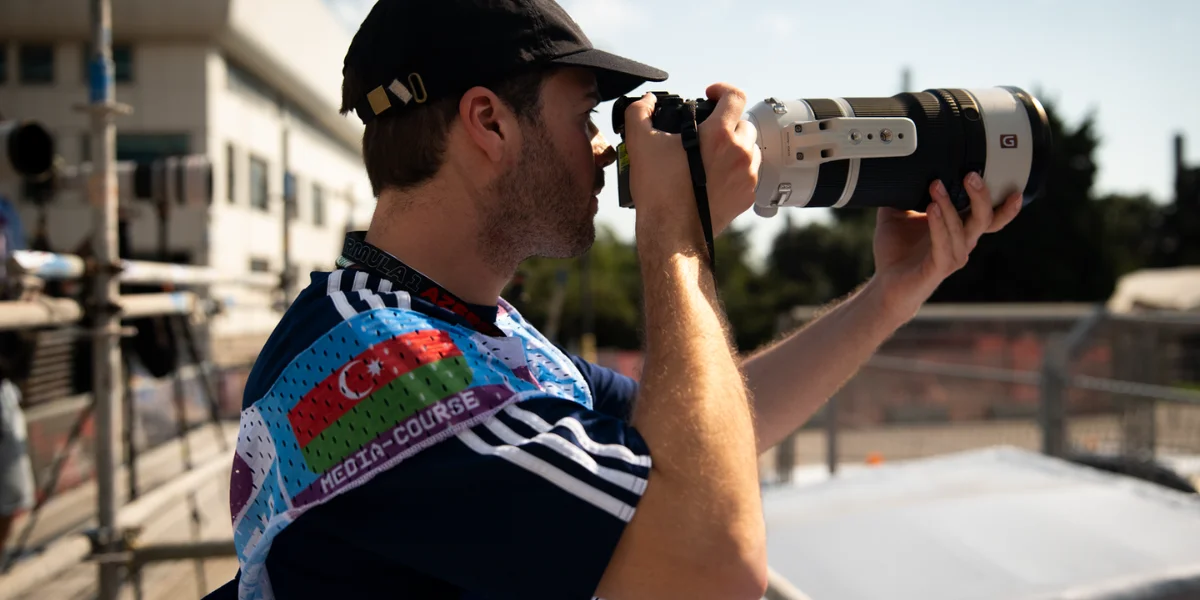
Professional conference video production helps businesses repurpose live events into valuable marketing content. Keynote recordings, panel discussions, and interviews can reach wider audiences long after the conference ends.
Depending on your goals, conference videography can deliver:
- Keynote and session recordings for attendees and training
- Panel discussion videos featuring expert insights
- Conference interview videos with speakers and sponsors
- Conference highlight films showcasing key moments
- Short social media clips for LinkedIn and other platforms
- Branded videos for websites and future campaigns
Full-length recordings preserve detailed presentations, while shorter edits make key messages easier to share. Planning deliverables before filming helps capture the right moments and streamline editing.
With a clear content strategy, video production for business events can extend your conference's reach, strengthen brand visibility, and keep valuable insights accessible to wider audiences.
What Affects Conference Filming Costs?
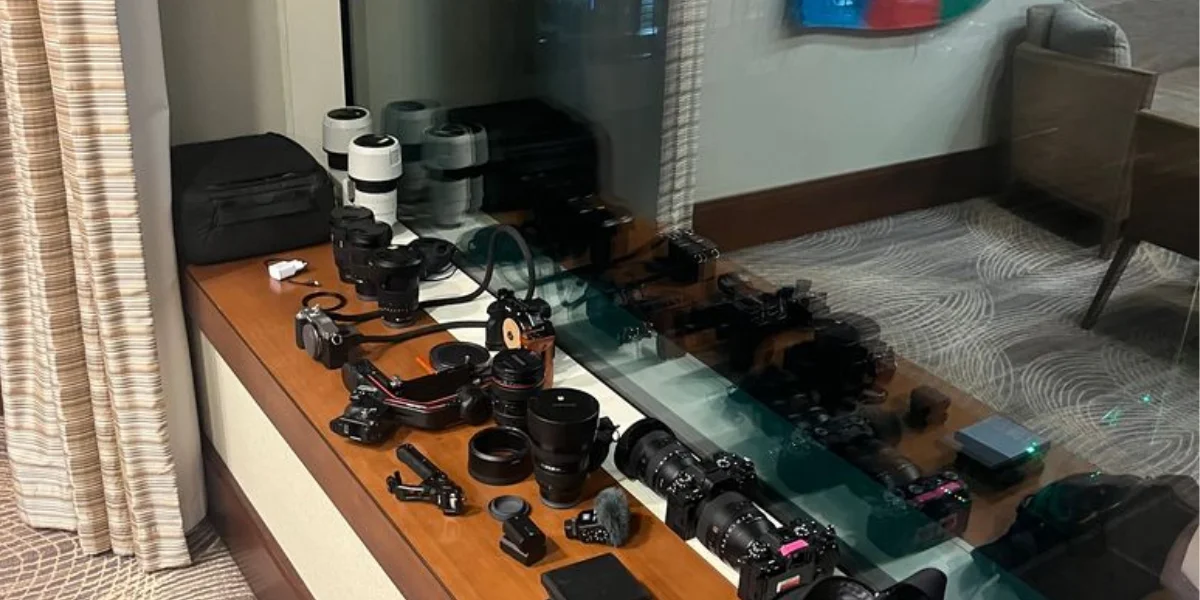
Conference video production costs vary according to the size and complexity of the event. A short keynote recording generally requires a different setup from a multi-day conference with several rooms, panel discussions, interviews, and multiple edited deliverables.
The main factors affecting the price include:
Event duration: Longer events require more filming time and may involve additional crew hours or recording arrangements.
Number of cameras and crew: The production setup depends on how many speakers, stages, and sessions need to be covered. More complex multi-camera productions can require additional operators and coordination.
Number of sessions: Recording several presentations or simultaneous sessions increases planning and coverage requirements.
Audio and presentation capture: Clear speaker audio and readable presentation content may require coordination with the venue's audiovisual team and additional recording arrangements.
Editing requirements: Full session recordings, short social clips, branded highlights, captions, and multiple versions all involve different levels of post-production.
Delivery deadlines: A tight turnaround can affect scheduling and editing resources. Confirm the required deadline before production rather than assuming every edit can be delivered immediately.
Usage and distribution: Internal recordings, public marketing videos, and content intended for wider distribution may have different approval, permission, and delivery requirements.
To receive an accurate quote, share the event agenda, venue details, expected filming hours, number of sessions, and the deliverables you need. This allows the production company to recommend a suitable approach instead of quoting for equipment or services that may not be necessary.
Choosing the Right Video Production Partner
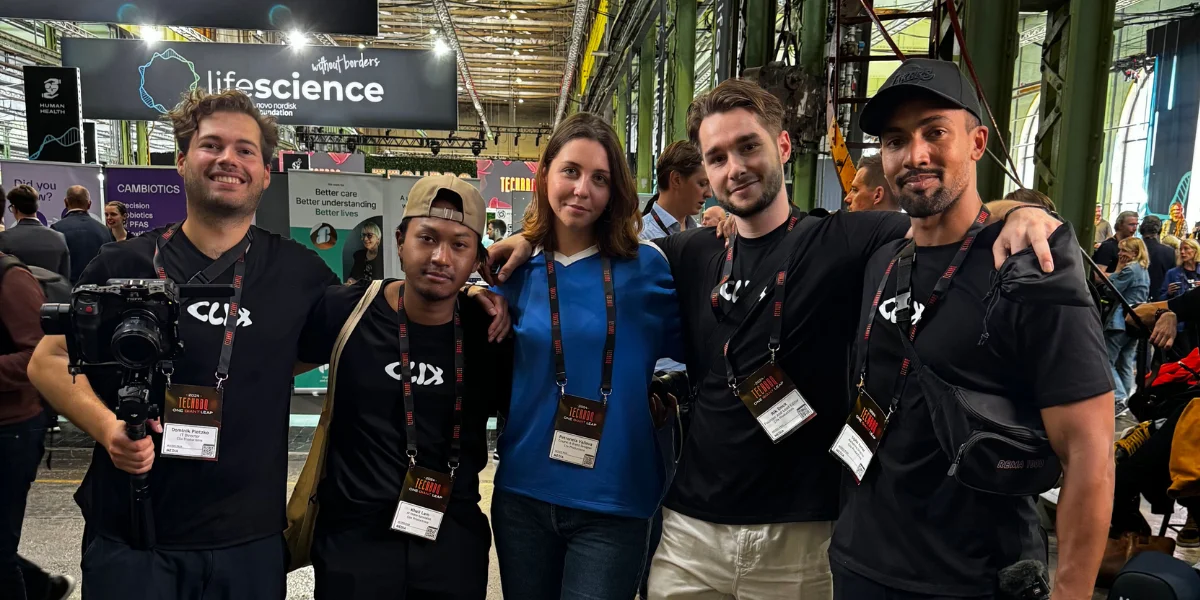
When hiring a professional conference videographer, review relevant work, filming quality, audio, editing style, and experience with corporate events. Discuss your event schedule, camera requirements, final deliverables, and delivery deadlines before agreeing on a quote.
For businesses in Copenhagen, Clix Productions provides video production for business events tailored to each project's goals and requirements. Browse our video production projects to assess our style and suitability for your conference.
A clear brief helps ensure the filming approach matches your budget and intended use of the footage. Confirming responsibilities and expectations in advance also helps keep production organised on the day.
Frequently Asked Questions
How much does conference video production cost?
Conference video production costs depend on the event duration, number of cameras, crew size, editing requirements, and final deliverables. Sharing your event schedule and filming needs helps you receive an accurate quote.
What is included in conference video production?
Conference video production can include keynote speaker recording, panel discussion filming, speaker interviews, multi-camera recording, event highlights, and edited social media videos, depending on your requirements.
How do you record a conference keynote speaker?
Keynote recording typically involves suitable camera positioning, clear audio capture, and presentation slide recording when required. The setup depends on the venue, stage layout, and how the final video will be used.
Can conference videos be used for marketing?
Yes. Conference footage can be edited into highlight films, speaker clips, interviews, and social media content for websites, LinkedIn, future event promotion, and other marketing campaigns.
How do I hire a conference videographer in Copenhagen?
Choose a videographer with relevant event experience, strong video and audio quality, and clear deliverables. Share your event date, venue, agenda, and filming requirements to discuss the production setup and pricing.
Conclusion
Professional conference video production helps businesses preserve key discussions, share expert insights, and extend their event's reach through keynote recordings, panel discussions, interviews, and highlight videos.
If you are planning a conference in Copenhagen or elsewhere in Denmark, Clix Productions can help you plan video coverage around your event goals. Call on 28 76 61 05 to discuss your conference filming requirements and create content that continues delivering value after the event.
Well-planned conference footage can also support future marketing campaigns, strengthen brand credibility, and make valuable industry knowledge accessible to a wider audience.