

Software products can solve complicated problems, but explaining those solutions clearly is not always easy. Screens, features, integrations, workflows, and technical terminology can quickly overwhelm a potential customer.
That is where professional SaaS video production can make a difference. A well-produced video can turn a complex software product into a clear visual story that helps prospects understand what the product does, why it matters, and what they should do next.
For software companies and SaaS brands, video can support product marketing, sales, customer education, advertising, and brand communication. The strongest results come when the production starts with the audience and business objective, rather than simply trying to make a visually impressive film.
What Is SaaS Video Production?

SaaS video production creates engaging video content for software companies and digital products. It combines strategy, scripting, visual storytelling, filming, editing, and motion graphics to explain a product clearly.
Unlike traditional corporate video production for software companies, SaaS content often needs to show digital products that exist inside a browser, app, or dashboard. Screen recordings, product demonstrations, animation, interviews, and live action can work together to make the software easier to understand.
The goal is not to list every feature. It is to show how the software solves a real problem and benefits the customer. Professional commercial video production for SaaS companies can also strengthen brand identity by connecting the technology with real people, use cases, and outcomes.
What Types of Videos Do SaaS Companies Need?

There is no single video format that works for every SaaS company. The right approach depends on the product, audience, marketing goal, and stage of the customer journey.
Product Demo and Explainer Videos
Product demo videos show the software in action. They can walk viewers through important workflows, demonstrate specific features, or show how a user completes a task.
Explainer videos take a broader approach. Instead of focusing on every interface detail, they explain the problem, introduce the solution, and communicate the product's core value.
For a complex platform, using both can be effective. An explainer can create initial understanding, while a demo can help a qualified prospect evaluate how the product actually works. This distinction is also reflected in current SaaS production practices.
Product, Brand, and Launch Videos
Product videos can introduce a new platform, major feature, integration, or product update. These videos work particularly well when a launch needs more than written release notes.
Brand videos serve a different purpose. They communicate the company's positioning, vision, personality, or market value rather than focusing on one particular feature.
For SaaS companies entering a competitive market, this combination can help communicate both what the product does and why the company behind it deserves attention.
Customer Testimonials and Case Studies
Customer testimonials add a layer of credibility that a company-produced product explanation cannot always provide.
A strong customer story usually focuses on the original challenge, the solution, the experience of using the product, and the resulting change. This makes the story more relatable and gives potential buyers evidence from someone who has already made the decision.
Sales, Onboarding, and Educational Content
Video can also support sales teams, customer onboarding, training, and education.
A sales video might answer a common objection before a meeting. An onboarding video can introduce an important workflow after signup. Training content can help customers understand more advanced functionality without requiring the same explanation from a support or customer success team every time.
This makes SaaS video useful beyond acquisition. It can become part of the entire customer experience.
How to Create Effective SaaS Video Content

The most effective SaaS videos start with a communication problem, not a camera.
Before production begins, identify what the viewer needs to understand. A technical buyer may want to know how the platform integrates with existing systems. A business decision-maker may care more about efficiency, risk, cost, or measurable outcomes.
Start with that difference.
Focus on the Problem Before the Product
Avoid opening with a long list of company achievements or software features. Start with the situation your audience recognizes.
Once the problem is clear, introduce the product as the solution. This creates a natural narrative and gives every feature a reason to appear.
Turn Features Into Benefits
A feature is not automatically a benefit.
Instead of simply showing that a platform has automated reporting, demonstrate what that automation changes for the user. Perhaps it reduces manual work, improves visibility, or helps a team make decisions faster.
This is where product storytelling becomes important. The viewer should understand not only how the product works, but why that functionality matters.
Choose the Right Visual Language
A SaaS video does not have to rely entirely on screen recording.
Screen capture can demonstrate real workflows. Animation can explain abstract concepts. Motion graphics can highlight important information. Live action can introduce people, environments, and real-world use cases.
A hybrid approach can make a technical product feel more human while keeping the explanation precise.
Keep One Clear Message
Trying to explain an entire platform in one short video usually creates a crowded script.
Choose the most important message for that particular asset. A product launch video, sales video, and onboarding video may all use the same software but communicate very different information.
Good video marketing is not about saying everything. It is about helping the right audience understand the right thing at the right moment.
If you are comparing production partners, it is also worth considering whether the provider can handle the creative strategy as well as filming and editing. A useful starting point is to a Video Creator Agency that understands both your message and the production requirements.
The SaaS Video Production Process

A successful SaaS video starts with strategy, not filming. The production team first understands the software product, target audience, goals, brand, and where the video will be used.
The process then moves through concept development, scripting, storyboarding, and production planning. Depending on the project, this may include product demonstrations, interviews, animation, screen capture, voiceover, or live-action filming.
Once filming is complete, post-production brings the story together through editing, motion graphics, sound design, music, color correction, and captions. The final video is reviewed, refined, and prepared for its intended platforms.
At Clix Productions, the process is built around understanding each client's needs and delivering flexible production support from concept through final content. For larger SaaS campaigns, planning different versions early can also help create website videos, social clips, sales content, and other video content from one production.
Where Can SaaS Companies Use Video?
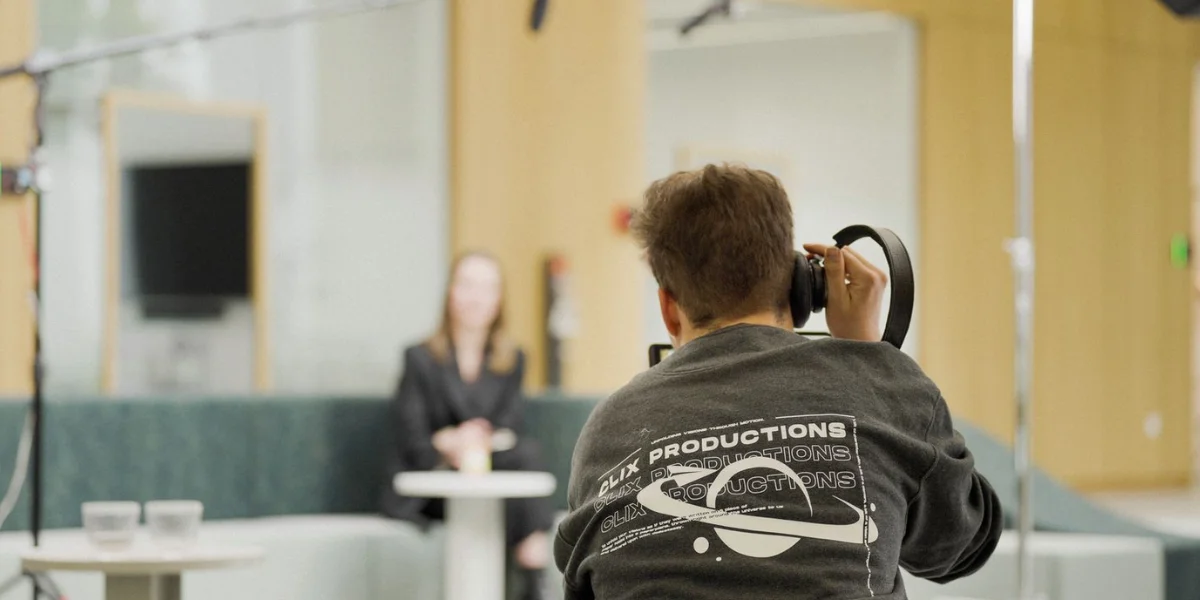
SaaS video content can support almost every stage of marketing and customer communication.
On a website, a short product video can introduce the value proposition faster than several paragraphs of text. On a product page, a demonstration can show a workflow in context.
Sales teams can use videos in presentations, outreach, follow-ups, and proposal materials. Marketing teams can adapt footage into LinkedIn content, YouTube videos, paid campaigns, and email assets.
Video can also support product announcements, onboarding, training, events, and customer education.
The important point is to plan distribution before production. If the team knows where the content will be used, it can capture and edit the material in formats that fit those channels.
That approach can make one production project more valuable than a single finished video.
SaaS Video Production Cost: What Affects Pricing in 2026?
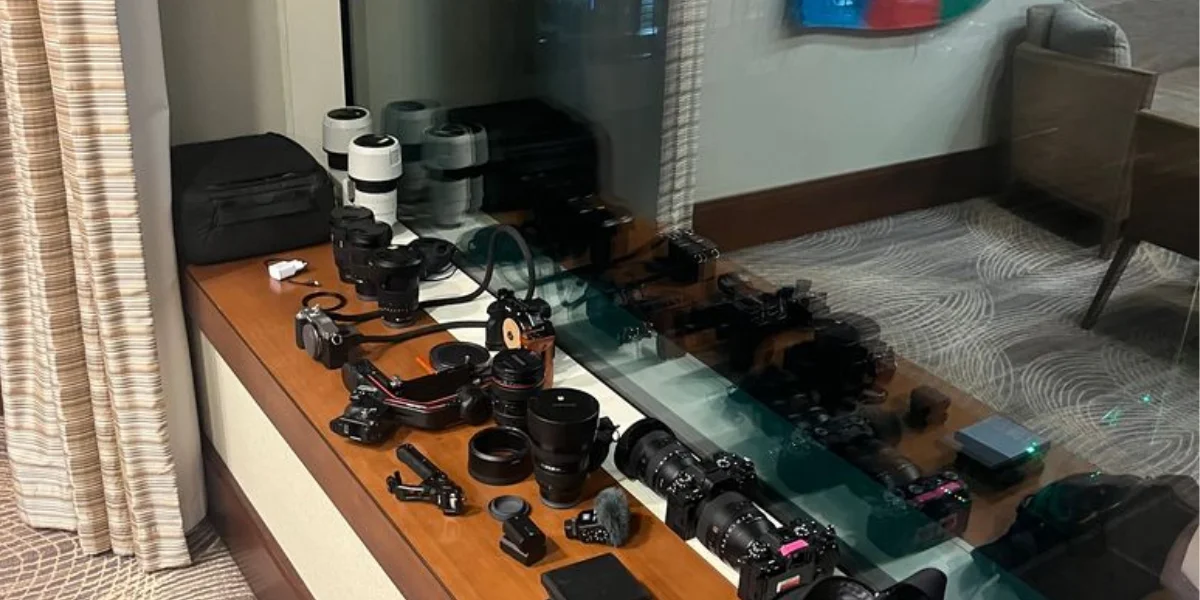
There is no universal video production cost 2026 for SaaS companies because projects can vary dramatically in scope.
A simple product-focused video may require a script, screen capture, voiceover, editing, and motion graphics. A larger commercial production may involve creative development, multiple locations, professional casting, cinematography, interviews, animation, and several rounds of post-production.
Other factors can include:
- Video length and number of deliverables
- Creative and script development
- Filming locations and equipment
- Presenters or professional casting
- Product and screen capture
- Animation and motion graphics
- Voiceover, music, and sound design
- Editing and post-production
- Subtitles and localization
- Multiple aspect ratios and campaign versions
Competitor production guides also emphasize that scope, number of videos, animation requirements, and production complexity have a major effect on pricing.
For that reason, software companies should compare proposals based on what is included, not simply the quoted price. A cheaper production may not include the creative development, revisions, versions, or post-production required to achieve the intended result.
How to Choose the Right SaaS Video Production Company

Choosing a SaaS video production company is about more than production equipment. Look for a partner that understands your software, audience, and business goals and can turn technical information into a clear story.
Review relevant SaaS Video Projects to evaluate creative quality, storytelling, and experience with software or technology brands. A strong production partner should also offer concept development, scripting, filming, editing, and visual communication.
Consider how well the team communicates and manages feedback. Your marketing, product, sales, and leadership teams may all be involved, so a clear production process can keep the project efficient.
For companies searching for SaaS video production Denmark, a Copenhagen-based team can also make local filming, casting, and production coordination easier. Clix Productions provides commercial video production, casting, concept development, and post-production support for brands in Copenhagen and beyond.
Frequently Asked Questions
What is SaaS video production?
SaaS video production creates professional video content for software and technology companies. It can include product demos, explainer videos, customer testimonials, brand videos, and sales content designed to make complex software easier to understand.
What type of video is best for a SaaS company?
It depends on the goal. Product demo videos are useful for showing software in action, while explainer videos can communicate the product's value more broadly. Customer testimonials build trust, while commercial and brand videos can support awareness, campaigns, and sales.
How much does SaaS video production cost?
Pricing depends on the creative scope, production requirements, filming, animation, casting, editing, and number of deliverables. A detailed brief is the best way to receive an accurate project estimate.
How long does it take to make a SaaS video?
A simple SaaS video can sometimes be completed within 1–2 weeks, while a more involved commercial production may take 3–6 weeks or longer from initial briefing to final delivery. The timeline depends on concept development, script approval, filming, editing, revisions, animation, and client feedback.
For larger projects, approving the creative direction and script early can help avoid delays during production.
What should a SaaS product demo video include?
A strong SaaS product demo should start with the customer's problem, show how the software addresses it, and focus on the features that matter most to the target audience. It should use clear visuals, explain the resulting benefits, avoid unnecessary technical detail, and finish with a relevant call to action.
Conclusion
The best SaaS video does more than demonstrate software. It clearly communicates the problem, presents the solution, and shows the value it creates for customers.
For SaaS companies and software businesses, professional video can bring products to life through demos, explainer videos, customer stories, brand content, and commercial campaigns. With clear messaging, purposeful visuals, and the right production strategy, video can become a valuable part of your marketing and sales efforts.
For video production for software companies in Copenhagen and across Denmark, Clix Productions combines creative storytelling and professional production to help brands communicate complex products in a clear and engaging way. Contact at +45 28 76 6105 to discuss your next SaaS video project.