Planning a video for your business takes more than choosing a camera and booking a filming day. You also need time for creative planning, location checks, filming, editing, and final approval. Each stage plays a part in the quality of the finished video.
So, how long does video production take? A simple social media video may take a few days. A corporate film or commercial campaign can take several weeks. Music videos and event films also need different levels of planning.
Knowing the expected schedule helps you set a launch date, prepare your team, and manage your budget. It also makes it easier to choose a production company that can meet your needs.
This article explains the time needed for different video types. It also covers the main stages and shows how good planning can help avoid delays.
How Long Does the Video Production Process Take?
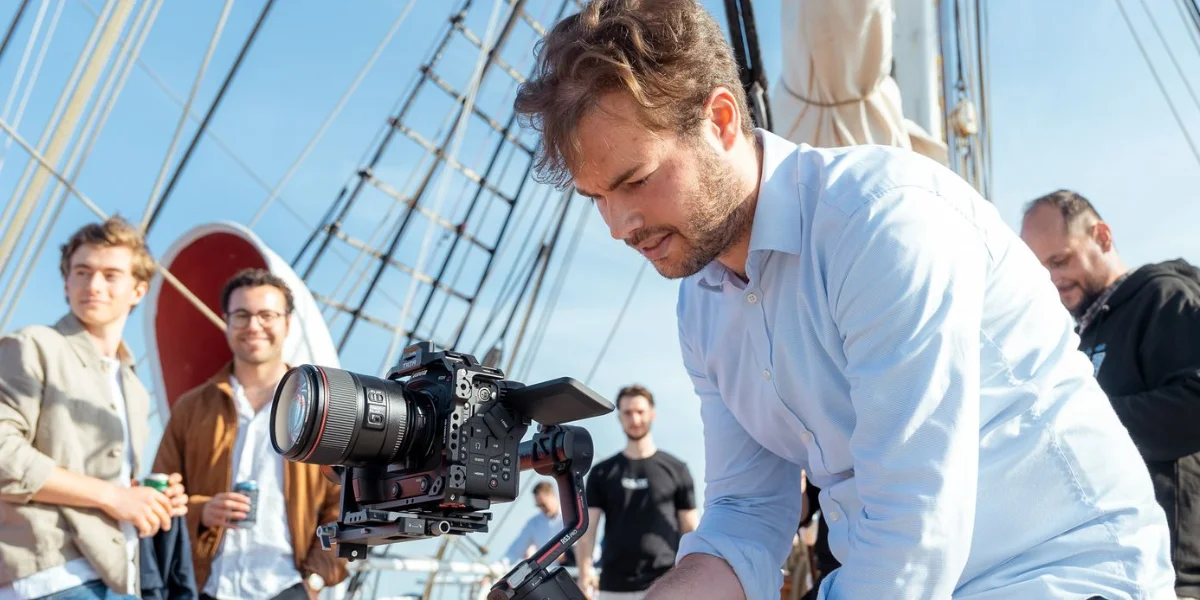
Most professional video projects take between one and six weeks from the first brief to final delivery. Simple projects may take less time. Large campaigns can take several months.
The total time depends on the creative idea, filming needs, editing work, and approval process. A clear video production process helps keep each stage on schedule.
Most projects follow three main stages:
- Pre-production: The team develops the idea, prepares the script, selects locations, and plans the filming schedule.
- Production: The crew records interviews, scenes, product shots, or event footage.
- Post-production: Editors arrange the footage, improve the sound and colour, add graphics, and prepare the final files.
Each stage affects the next one. For example, a late filming date can delay editing. Slow feedback can also push back delivery.
A clear plan gives everyone a better idea of what needs to happen and when.
Video Production Timelines by Type
Not every video needs the same amount of work. A short interview may need one camera and a single location. A commercial may require actors, several locations, lighting setups, and a larger crew.
Here are some general time estimates:
These estimates cover planning, filming, and editing. The actual schedule may change based on the size of the production and the number of final edits.
Corporate Video Production
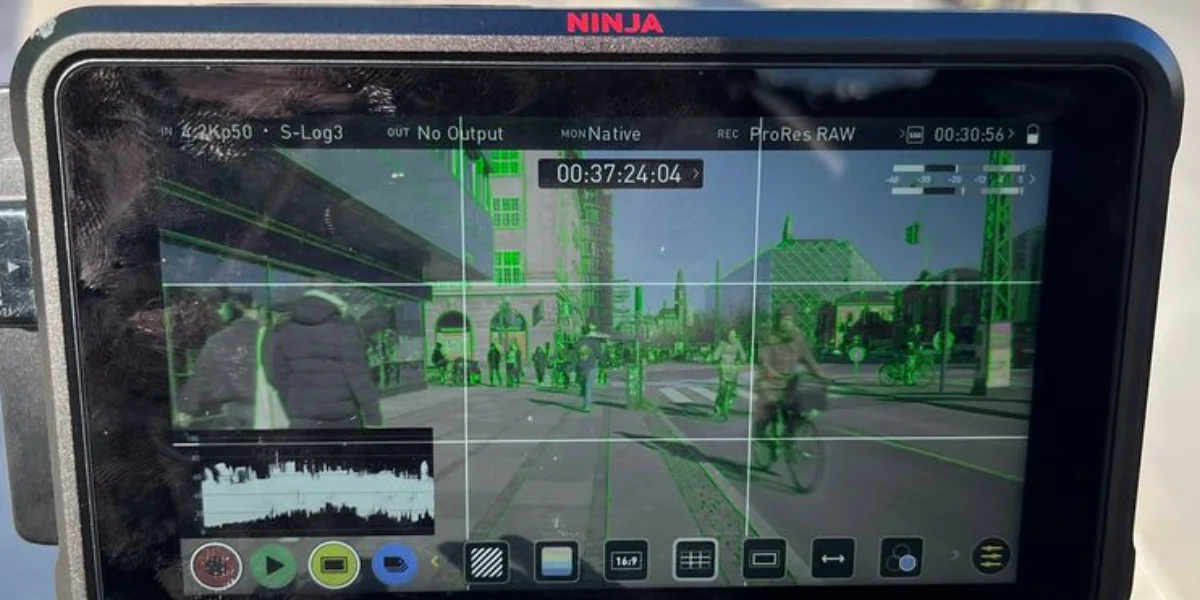
A corporate video helps a business explain what it does and what makes it different. It may include staff interviews, office footage, customer stories, and company presentations.
Most corporate video production projects take two to four weeks. The first stage involves agreeing on the main message, writing interview questions, and choosing filming locations.
Filming may take one or two days. The editing stage brings the interviews and supporting footage together into one clear story.
A larger project may need more time. This can happen when several departments, locations, or animations are involved. Agreeing on the final video length before filming can help keep the schedule under control.
Commercial Video Production
Commercial videos help brands promote products, services, and campaigns. They often need more creative work than a simple company interview.
A typical commercial video production project takes three to six weeks. Larger campaigns may take longer, especially when they involve actors, detailed scripts, or several filming locations.
The team first develops the concept and plans each scene. This may include casting, location checks, storyboards, and a detailed filming schedule.
After filming, editors work on the story, sound, colour, and graphics. Some campaigns also need several versions for different advertising platforms.
For behind the Scenes video production for marketing, it is important to decide where the content will appear. A website video may need a different format from a short social media advert.
Music Video Production
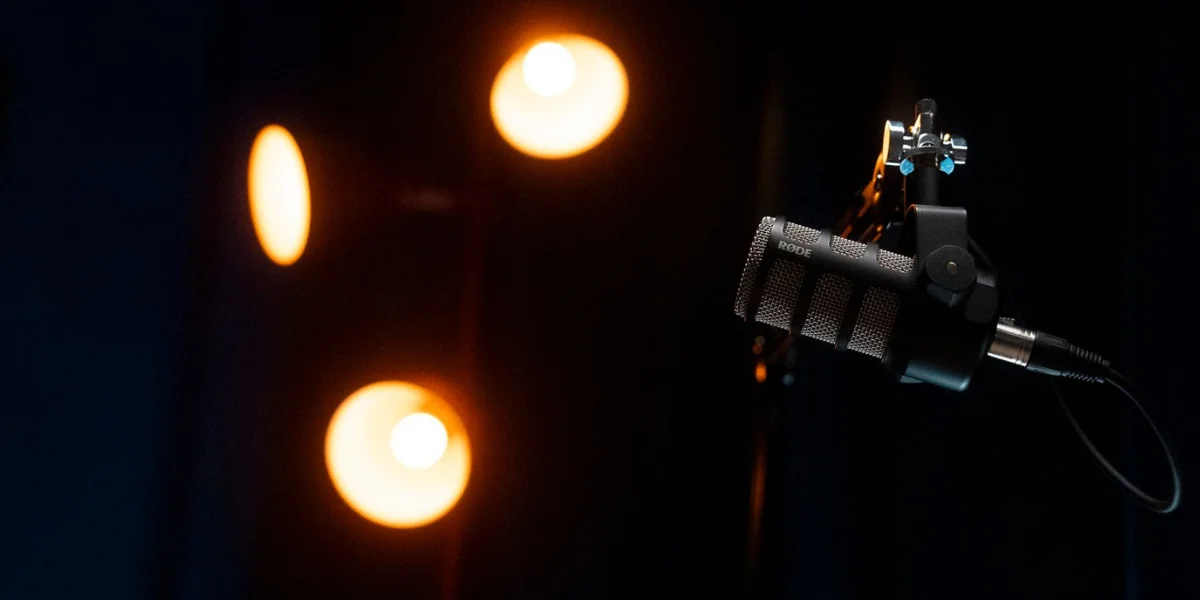
The music video production process depends on the song and creative idea. A simple performance video may need one location and a small crew. A larger production may involve dancers, actors, special lighting, and several scenes.
A smaller music video may take two to three weeks. More complex productions can take four to five weeks or longer.
Before filming, the team develops the concept and prepares a music video storyboard. This helps everyone understand the planned scenes, camera angles, and visual style.
Filming can take one or several days. Editing then brings the footage in line with the music. Colour work, visual effects, and extra changes may add more time.
Event Video Production
Event videos capture conferences, concerts, product launches, and company celebrations. Their schedules depend on the event size and the type of final content.
Event video production Copenhagen projects may involve one camera operator or a larger crew. The team may need to record speakers, audience reactions, interviews, and different event areas.
Planning usually takes several days. Filming takes place during the event, while editing may take three days to two weeks.
A short highlight video can be ready sooner than a full event film. If you need interviews, speaker recordings, and social media clips, the editing stage will take longer.
It helps to decide the delivery date before the event. This gives the production team time to plan the right filming and editing schedule.
Live Stream Video Production
Livestream projects need careful preparation because the broadcast happens in real time. The team must test the equipment and connections before the event begins.
Live stream video production may need one to three weeks of preparation. A small online presentation may need less time than a multi-camera conference.
Planning includes camera positions, sound checks, internet access, graphics, and streaming platforms. A technical rehearsal also helps the crew find problems before the broadcast.
The live event may last only a few hours. However, good preparation is important for a smooth broadcast.
What Affects the Video Production Timeline?

Two videos with the same running time can need very different amounts of work. A short interview may be simple to film and edit. A short commercial may need several days of preparation.
The main factors that affect delivery time include:
- Creative planning: Scripts, storyboards, and detailed concepts need time to develop.
- Locations and travel: Several filming locations can add travel and setup time.
- Crew and talent: Actors, presenters, and camera operators must be available on the agreed dates.
- Editing work: Graphics, subtitles, sound design, and colour correction add to the workload.
- Client feedback: Late comments and repeated changes can delay final approval.
Budget also plays a part. Video production costs Denmark businesses face can vary based on crew size, equipment, filming days, locations, and editing needs.
A larger budget does not always mean faster delivery. The right resources and a clear schedule matter just as much.
How to Complete a Video Project Faster
A shorter schedule does not have to mean lower quality. Good planning can save time and reduce avoidable changes.
Start with a clear brief. Explain the video's purpose, target audience, main message, and intended platforms. Also decide how many final videos and formats you need.
Next, confirm the filming date, location, people, and equipment. If you need several videos, consider recording related content during the same shoot. This can reduce travel and setup time.
The video editing workflow should also include a clear review process. Choose one person to collect feedback from the team. This helps avoid conflicting comments and repeated edits.
A well-planned video editing process makes it easier to move from the first cut to final delivery. Share feedback within the agreed time and keep changes close to the original brief.
Professional video post production also needs enough time for sound, colour, graphics, and final checks. Rushing these steps can affect the finished result.
Clix Productions works with clients through planning, filming, editing, and delivery. A clear schedule helps the team manage each stage and keep the creative goals in focus.
Frequently Asked Questions
How long does a professional video take to make?
Most professional videos take one to six weeks. Simple projects may finish within days, while larger campaigns need more time.
How long does it take to film a corporate video?
A simple corporate video may need one filming day. Projects with several interviews or locations can take two or more days.
How long does video editing take?
Basic editing may take one to three days. Videos with graphics, subtitles, and detailed sound work can take several weeks.
What takes the longest in video production?
Editing can take the longest, especially when a video needs visual effects, animation, or several review rounds. Complex planning can also add time.
Does video length affect production time?
Not always. A short commercial may need more work than a longer interview. The creative idea and filming needs often matter more than the final running time.
How can I avoid delays during production?
Prepare a clear brief, confirm filming dates early, and provide feedback on time. These steps help the team follow the planned schedule.
Conclusion
Video production takes different amounts of time depending on the content, filming needs, and editing work. A simple social media video may take a few days, while a corporate film, commercial, or music video can need several weeks.
Good planning makes the process easier. It helps businesses set clear deadlines, manage costs, and get the right result without rushing important stages.
Clix Productions provides professional video production services in København, Denmark. From creative planning and commercial filming to event coverage and editing, the team helps businesses turn ideas into finished videos.
Planning a video for your business? Call +4528766105 to discuss your project and get a timeline based on your needs.