
Choosing between DIY and professional video production depends on your goals, budget, timeline, and the quality your audience expects. DIY video production can be a practical option for quick social media posts, behind-the-scenes content, and simple internal updates.
Professional video production is often more suitable for corporate videos, commercials, recruitment campaigns, product launches, and other important brand content.
For businesses in Denmark, the right choice is not simply about choosing the cheapest option. It is about matching the production approach to the purpose of the video, the audience, and the level of quality required.
DIY vs Professional Video Production: Key Differences
The biggest difference between DIY video production and professional video production is not simply the camera being used. Professional production involves a complete process covering planning, filming, audio, lighting, storytelling, editing, and final delivery.
DIY production gives businesses flexibility and immediate control. Professional production adds specialist skills and resources that can be difficult to replicate internally.
The right choice therefore depends on what the video needs to achieve rather than simply how much it costs to produce.
When Does DIY Video Production Make Sense?
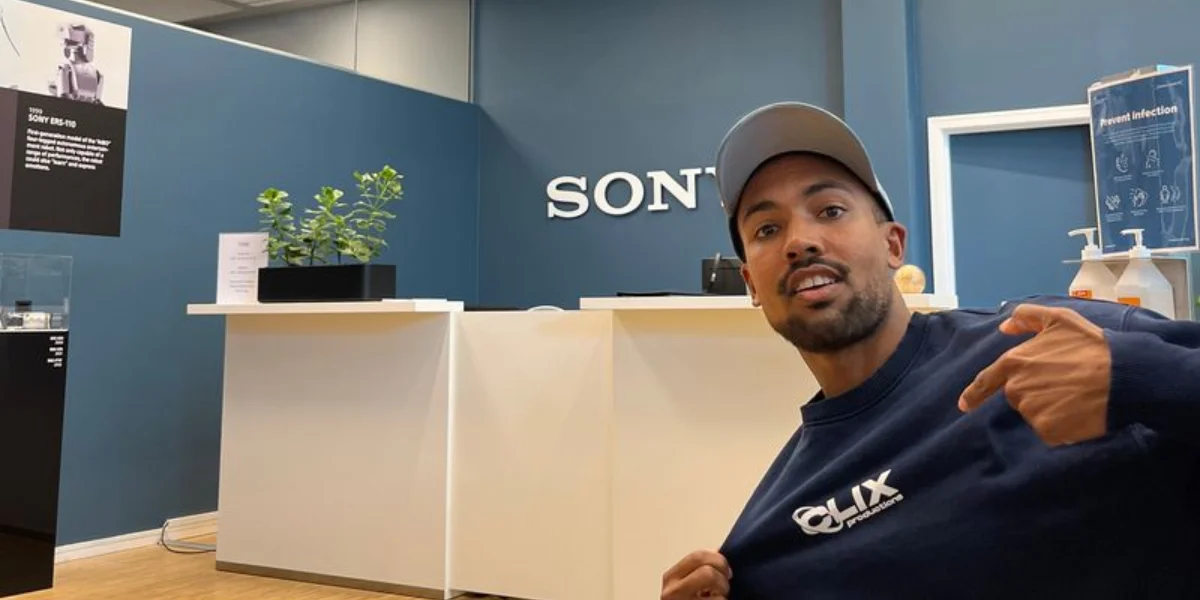
DIY video production can be a practical choice when the content is simple, informal, and does not require a highly polished production.
Social media is one of the most common uses. Businesses can create short videos for Instagram, LinkedIn, TikTok, or other platforms using a smartphone, simple microphone, and basic lighting.
DIY can also work well for:
- Behind-the-scenes videos
- Internal company updates
- Quick announcements
- Simple product demonstrations
- Employee-generated content
- Informal social media posts
- Testing new video ideas
For these types of content, speed and authenticity can sometimes be more important than cinematic production quality.
However, DIY production still requires time. Someone within the business needs to plan the content, prepare the location, record the footage, manage audio and lighting, edit the video, review the result, and prepare it for publication.
For occasional simple content, that may be reasonable. For more important videos, the time and production requirements can quickly become more demanding.
Why Businesses Choose Professional Video Production
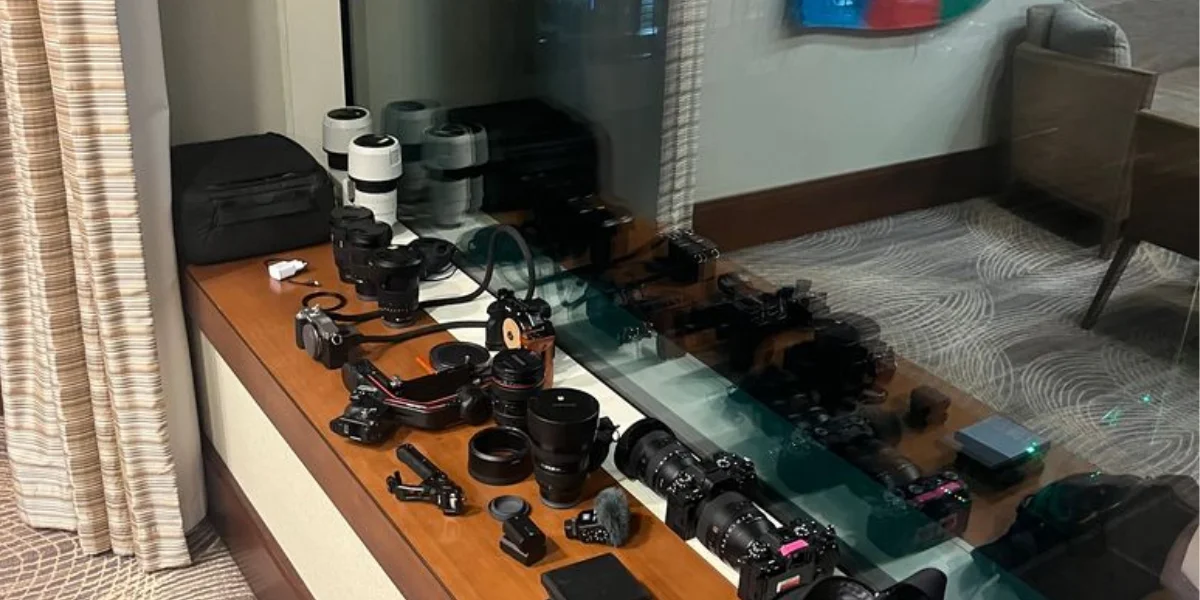
Professional video production gives businesses access to the people, equipment, planning, and technical expertise required to create polished video content.
A professional production team can manage the project from the initial concept through filming, editing, and final delivery.
Professional Camera and Lighting
Professional camera equipment provides greater control over image quality, lenses, exposure, depth of field, and different filming environments.
Lighting is equally important. Professional lighting helps create consistent exposure, improve interviews, separate subjects from backgrounds, and establish the visual style of the video.
Good equipment alone does not create a professional video. The experience of knowing how to use that equipment in different production situations is equally important.
Clean, Professional Audio
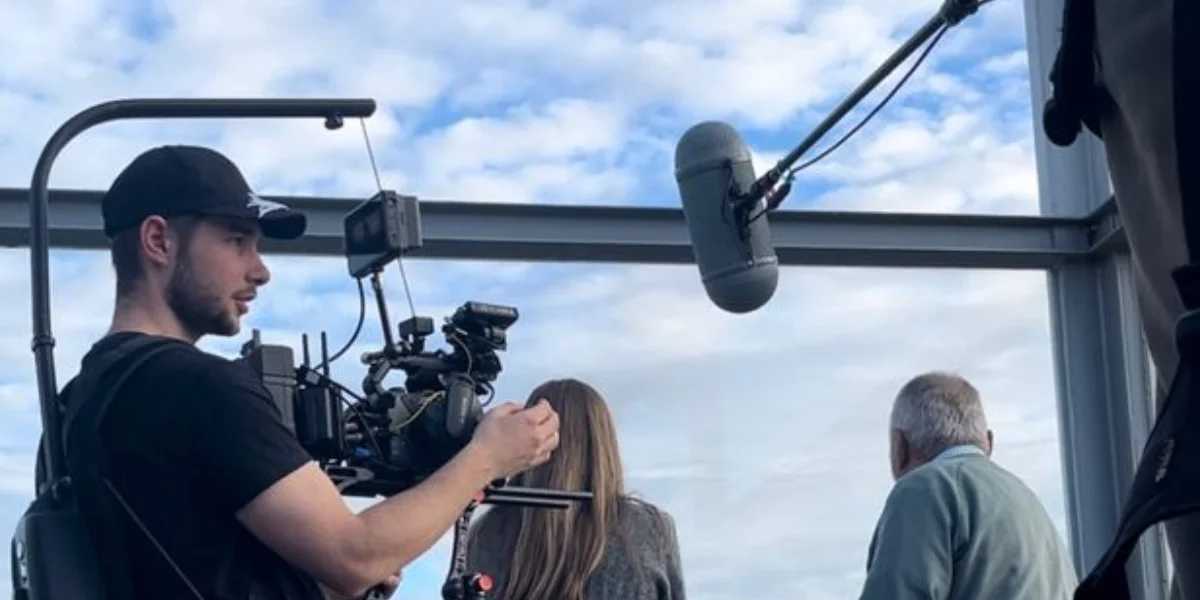
Poor audio is one of the fastest ways for a video to feel unprofessional.
Professional productions can use dedicated microphones, recording equipment, and sound techniques designed for interviews, dialogue, presentations, events, and other situations where clear communication matters.
This is particularly important for corporate videos, testimonials, recruitment videos, and commercial content where the audience needs to clearly understand the message.
Stronger Storytelling
Professional video production is not simply about recording attractive footage.
The production process starts by understanding what the business wants to communicate and who needs to receive that message. From there, the team can develop the concept, structure interviews, plan shots, capture supporting footage, and build a story during editing.
Strong storytelling can make a video easier to understand and more memorable.
Experienced Production Team
Depending on the project, professional video production may involve producers, directors, camera operators, sound specialists, lighting professionals, editors, and other creative specialists.
Not every project needs a large crew. The production team should match the requirements of the project.
This flexibility allows businesses to use the right people and equipment without having to build an entire production capability internally.
Professional Editing and Post-Production
The work does not finish when filming ends.
Video editing and post-production can include selecting and organising footage, creating the story, colour correction, sound mixing, music, motion graphics, subtitles, transitions, and preparing final versions for different platforms.
A professional workflow helps turn raw footage into a finished piece of communication that is ready for its intended audience.
Less Pressure on Your Internal Team
Producing a video internally can take more staff time than expected.
Professional production allows the business team to focus on providing the information, people, and approvals needed for the project while the production company manages the technical and creative workflow.
For businesses with limited internal production experience, this can make the overall process more manageable.
Which Videos Need Professional Production?
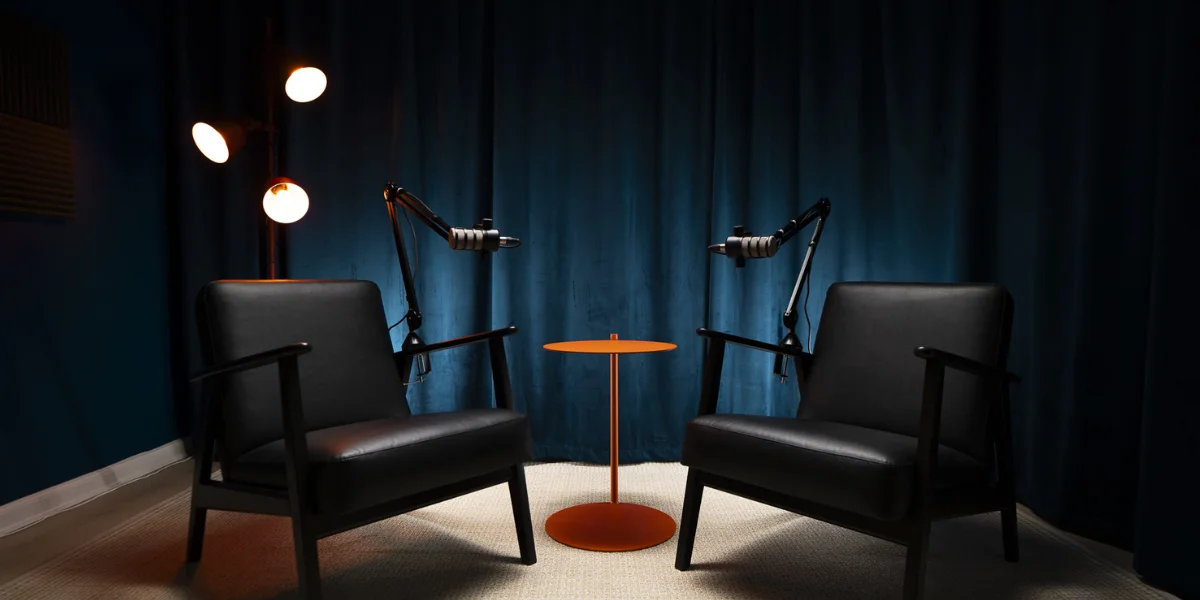
Not every business video needs a production company. However, professional production becomes particularly valuable when the video has an important role in your marketing or brand communication.
Corporate Videos
Corporate video can introduce a company, explain its services, communicate company culture, or support recruitment.
Because these videos may remain on a website or be used across marketing channels for an extended period, businesses often want consistent visuals, clear messaging, and professional production quality.
If you are planning different types of business content, Types of Videos Every Business Should Consider can help identify which formats may suit your goals.
Commercial Videos
Commercial video is designed to promote a product, service, brand, or campaign.
These productions can involve creative concepts, scripts, actors, locations, props, multiple camera setups, and different versions for advertising platforms.
Professional production helps coordinate these elements while keeping the final content aligned with the campaign objective.
Brand Films
A brand film focuses on the story, personality, values, or identity of a business.
These projects often require more creative development than a straightforward informational video. Cinematography, interviews, locations, music, sound design, and editing all contribute to the final story.
Recruitment and Employer Branding Videos
Recruitment videos need to show potential employees what it is like to work for a company.
Professional filming can help capture interviews, workplace footage, employee interactions, and company culture in a way that feels natural while maintaining a consistent visual standard.
Product Launches and Marketing Campaigns
A product launch or major marketing campaign can involve multiple videos and formats.
Professional production can help create a consistent visual identity across the main video, social media cutdowns, advertisements, website content, and other campaign assets.
Event Videos
Events happen once, which means important moments cannot simply be recreated later.
Professional event filming can capture speeches, interviews, audience reactions, performances, networking, and other key moments.
Planning is especially important because the production team needs to anticipate the event schedule and capture enough footage for the final edit.
DIY vs Professional Video Production Costs
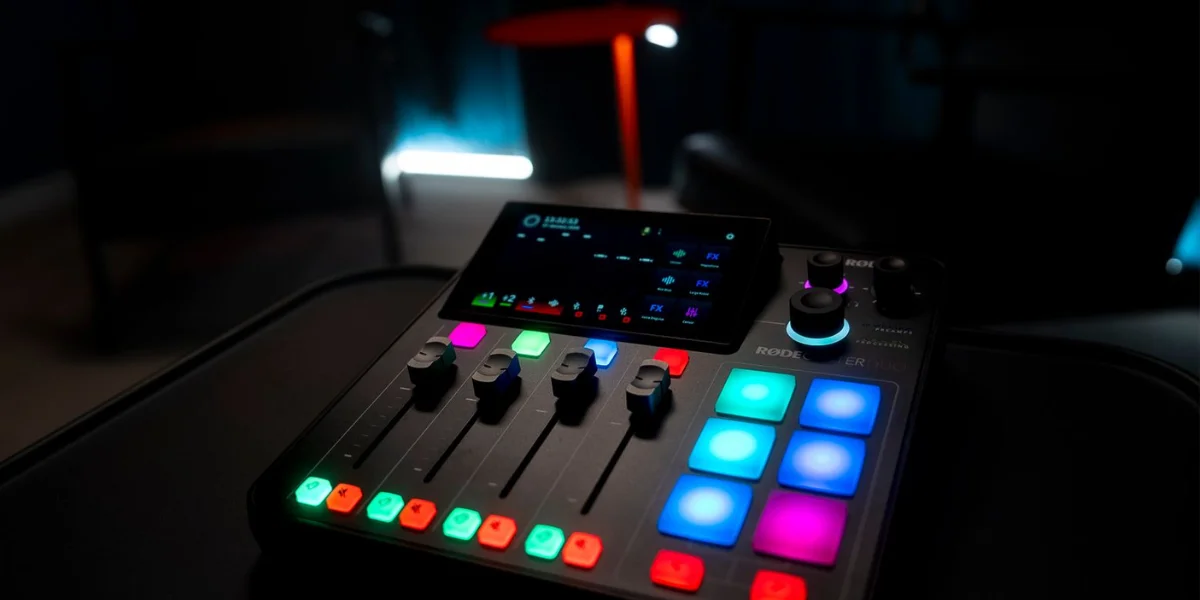
Cost is one of the biggest factors when comparing DIY video production with professional services.
DIY can have a lower upfront cost if a business already owns a smartphone or camera. However, there can still be expenses for microphones, lighting, tripods, storage, editing software, and other equipment.
There is also the cost of employee time.
A member of your team may need several hours to prepare, film, edit, review, and publish a single video. For frequent production, those hours can become a significant business cost.
Professional video production usually includes several stages:
- Creative development
- Pre-production
- Production planning
- Crew
- Camera and lighting equipment
- Filming
- Locations and talent where required
- Video editing
- Colour and sound
- Motion graphics
- Final deliverables
The final investment depends on the complexity of the project. A simple corporate interview requires a very different production setup from a large commercial campaign.
For a more detailed look at budgets and pricing factors, see our guide to video production costs.
How to Choose a Video Production Company in Denmark

If you decide to hire a professional video production company, look beyond the headline price.
Start with the portfolio. Look for previous work that demonstrates the company's ability to handle the type of video you need. A company experienced in commercials may approach a corporate interview differently from a company specialising in event coverage.
Consider:
- Relevant portfolio experience
- Production capabilities
- Creative approach
- Camera and lighting equipment
- Production team
- Pre-production process
- Editing and post-production
- Communication
- Project timeline
- Final deliverables
- Quote transparency
- Previous client projects
It is also useful to understand what happens before filming. Good pre-production can include creative development, scripts, storyboards, location planning, schedules, shot lists, and production coordination.
Ask potential production companies how they manage the project from the first discussion through final delivery.
Businesses looking for a production partner can learn how to choose the right video production company in Denmark by comparing experience, portfolio quality, services, communication, and production process.
For additional examples of professional work, explore Video Production Case Studies to see how different projects can require different production approaches.
Should You Use DIY or Professional Video Production?
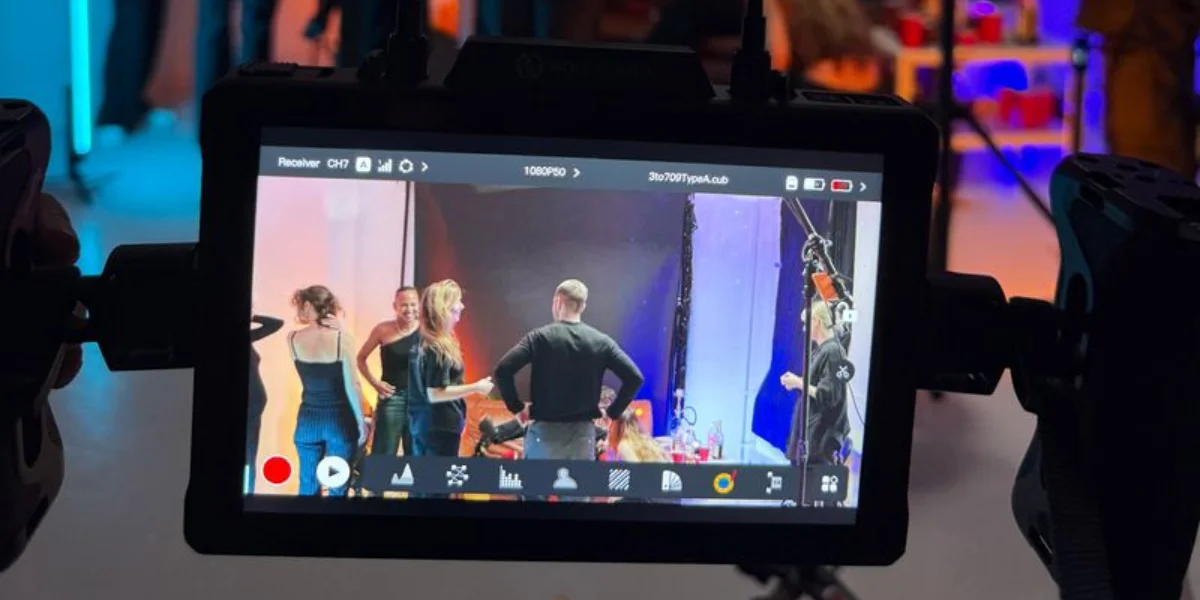
The decision should come down to the importance and purpose of the video.
DIY may be suitable when the content is informal, produced frequently, and designed mainly for quick social media communication.
Professional production makes more sense when the video represents your brand, supports an important campaign, requires stronger storytelling, or needs professional filming, audio, lighting, and post-production.
A hybrid approach can also be effective.
For example, a business might use professional production for its corporate video, commercial campaign, brand film, or major event while creating everyday social media content internally.
This allows businesses to match production quality and investment to the importance of each piece of content.
Frequently Asked Questions
What is a DIY video?
A DIY video is content created by a person or business without hiring a professional video production company. It is often filmed with a smartphone or basic camera and edited using simple video editing software.
What is professional video production?
Professional video production is the process of creating video content with an experienced production team, professional equipment, planned filming, audio, lighting, editing, and post-production.
How long does a video production take?
Video production can take anywhere from a few days to several weeks, depending on the concept, pre-production, filming schedule, editing, revisions, and final deliverables.
How much does professional video production cost?
The cost depends on factors such as production requirements, crew size, filming locations, equipment, talent, editing, graphics, and the number of final videos or formats required.
Is professional video production worth it?
Professional video production can be worthwhile when video plays an important role in your brand, marketing, advertising, recruitment, or customer communication and you need high-quality visuals, audio, and storytelling.
Conclusion
DIY video production can be useful for quick, informal content, but professional production offers the planning, equipment, storytelling, and post-production expertise needed for important business videos. The right choice depends on your goals, audience, budget, and the role the video needs to play.
Clix Productions provides professional video production services for businesses, including corporate videos, commercials, brand films, recruitment content, and event videos.
From concept and pre-production to filming, editing, and final delivery, our team can manage the complete production process. Call +4528766105 to discuss your project and production requirements.