
Not every business needs the same kind of commercial video. A product launch may need a product demonstration, while a company trying to build brand recognition may get more value from a brand film. A B2B company may need customer proof, while a campaign running across YouTube and social media may require several short advertising variations.
The right format depends on the goal, audience, message, and where the video will be used.
Below are the main types of commercial videos businesses can consider, along with practical examples of when each format makes sense.
10 Types of Commercial Videos Businesses Can Use

1. Brand Videos
A brand video focuses on the bigger story behind a business rather than promoting one specific product or offer.
It can communicate a company's identity, values, people, ambition, or the reason customers should remember it. Strong brand videos often combine interviews, cinematic footage, real environments, people, and carefully developed storytelling.
For example, a Danish company entering a new market could use a brand video to introduce its story and positioning before launching a larger advertising campaign.
Brand videos are particularly useful for:
- Building brand awareness
- Launching or repositioning a company
- Differentiating from competitors
- Communicating company values
- Creating an emotional connection with an audience
The strongest approach is not to explain everything the business does. Instead, focus on one clear idea that the audience should remember.
This is where brand storytelling becomes important. The story should support the brand rather than simply decorate the video with attractive visuals.
2. Product Videos and Demonstrations

A product video shows customers what a product does, how it works, and why it is useful.
This format is particularly effective when the product has features that are easier to understand visually than through written descriptions.
A strong product video might show the product being used in a real situation, demonstrate an important feature, compare different use cases, or show the result a customer can expect.
For example, a technology company could demonstrate how its platform solves a specific workflow problem instead of listing ten features on screen.
Businesses commonly use product videos for:
- Product launches
- Ecommerce pages
- Advertising campaigns
- Social media
- Sales presentations
- Website landing pages
If you are planning this type of content, our guide to how to make a product video explains the planning, scripting, storyboarding, filming, and production decisions involved.
3. TV and Digital Commercials
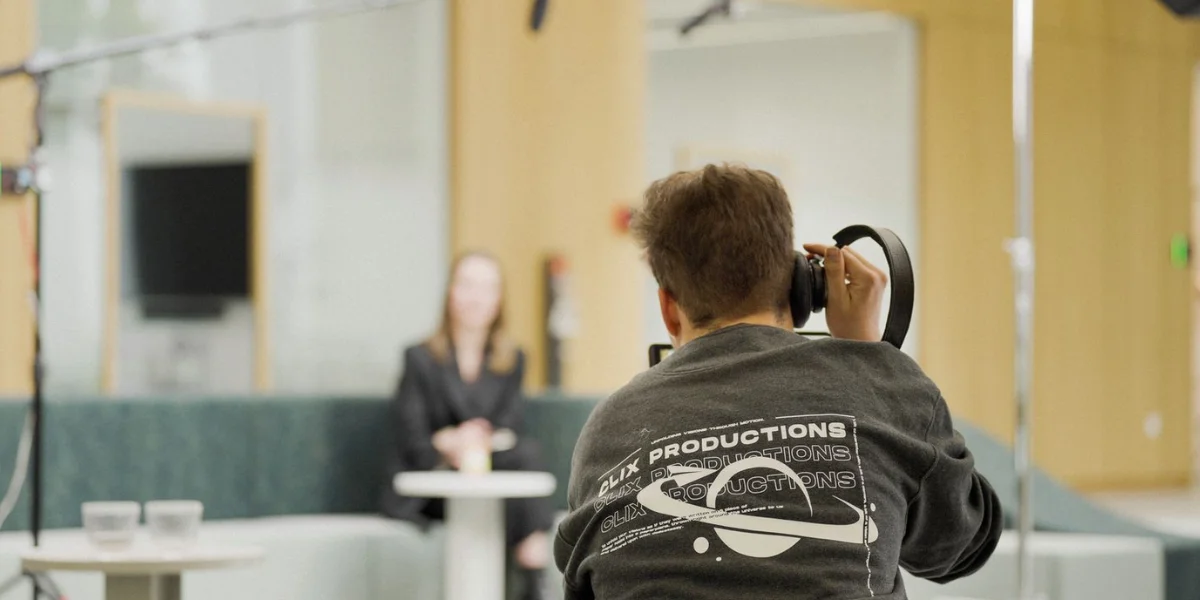
Traditional TV commercials are still useful, but businesses now have many more places to distribute commercial advertising.
Digital commercials can appear on YouTube, streaming platforms, websites, paid social campaigns, and other digital channels.
The production approach should match the platform.
A 30-second television commercial may need a different structure from a 15-second vertical advertisement designed to stop someone while scrolling.
A digital commercial can include:
- A strong opening hook
- Product or service footage
- Brand storytelling
- Customer benefits
- Visual demonstrations
- A clear call to action
This is where professional commercial video production becomes valuable. Creative concept, cinematography, sound, editing, casting, and post-production all need to work toward the same marketing objective.
The best commercial video examples are not simply visually impressive. They make the intended message clear enough for the audience to understand and remember.
4. Promotional Videos
Promotional videos are designed around a specific marketing action.
That could be launching a product, announcing a service, promoting an event, supporting a seasonal campaign, or introducing a special offer.
Unlike a broader brand film, a promotional video usually has a more immediate message and a clearer call to action.
For example:
A company launching a new service could create a 30-second promotional video explaining the problem, presenting the service as the solution, and directing viewers to a landing page.
A promotional video works best when the audience can quickly understand:
What is being promoted?
Why does it matter?
What should I do next?
Keeping those three questions in mind helps prevent the video from becoming overloaded with information.
5. Customer Testimonial Videos

A customer testimonial lets the customer explain their experience instead of asking the business to make all the claims itself.
That makes this format particularly useful when trust is an important part of the buying decision.
A useful testimonial usually covers:
- The customer's original problem
- Why they chose the company
- What the experience was like
- What changed after the solution
- What they would tell another potential customer
For example, a B2B company could interview a client about a project and focus on the challenge, implementation, and measurable outcome.
Good customer testimonial videos should feel like real conversations rather than advertisements where every sentence sounds scripted.
Authenticity matters, but so does production quality. Clear audio, thoughtful lighting, relevant supporting footage, and focused editing make the customer's story easier to trust and understand.
6. Case Study Videos
Case study videos are similar to testimonials, but they go deeper into the customer's problem and the solution.
A useful structure is:
Challenge → Approach → Solution → Result
This format is especially effective for B2B companies, agencies, SaaS businesses, professional services, and products that require consideration before purchase.
Instead of simply saying that a client was satisfied, a case study can show what the company was trying to solve and how the project addressed it.
For example, a production company could create a case study showing how a brand planned a campaign, what content was produced, and how the resulting assets were used across different channels.
The strength of a case study comes from specificity. Real details, customer interviews, project footage, and measurable outcomes are more convincing than broad claims such as “we deliver great results.”
7. Explainer Videos

Explainer videos help audiences understand a product, service, technology, or process that may be difficult to communicate through text alone.
They can use live action, animation, motion graphics, screen recordings, interviews, or a combination of these techniques.
A software company, for example, might use an explainer to show how its platform works from the user's perspective.
An explainer is useful when the audience needs to understand something before they can make a decision.
The key is to avoid explaining everything.
Choose the most important problem, feature, process, or benefit and build the video around it.
8. Corporate and Company Videos
Corporate videos focus on the company itself.
They may introduce the business, its team, workplace, culture, services, leadership, or approach.
A company profile video can be particularly useful for B2B businesses where customers want to understand who they will be working with before starting a commercial relationship.
A corporate video can also support:
- Recruitment
- Sales presentations
- Website content
- Company announcements
- Investor communication
- Employer branding
There is some overlap between a corporate video and a commercial, but their purpose can be different. A corporate video may communicate the wider organization, while a commercial is generally built around a marketing or advertising objective.
9. Event and Brand Activation Videos

Events can generate far more content than a single highlight film.
A product launch, conference, trade show, or brand activation can provide material for a main event video, interviews, social clips, promotional edits, and future campaign content.
For example, one event production could deliver:
- A 60-second highlight film
- Speaker interviews
- Customer reactions
- Short vertical videos
- Behind-the-scenes footage
- Promotional clips
This approach makes event video production more valuable because the footage continues working after the event ends.
For brands running regular activations or events in Copenhagen, planning the required content before filming allows the production team to capture the right interviews, reactions, details, and supporting footage.
10. Social Media Commercial Videos
Social platforms have changed how businesses approach commercial video.
A single campaign may now require several versions for Instagram, TikTok, LinkedIn, YouTube Shorts, and paid advertising.
A social media video should be designed around the platform instead of simply taking a finished television commercial and cropping it.
Important considerations include:
- Vertical framing
- Shorter edits
- Strong opening moments
- Captions
- Platform-specific pacing
- Multiple creative variations
- Clear calls to action
A business might produce one main campaign video and several shorter versions from the same shoot.
That approach can create more opportunities to test different messages while keeping the campaign visually consistent.
Commercial Video Examples by Business Goal
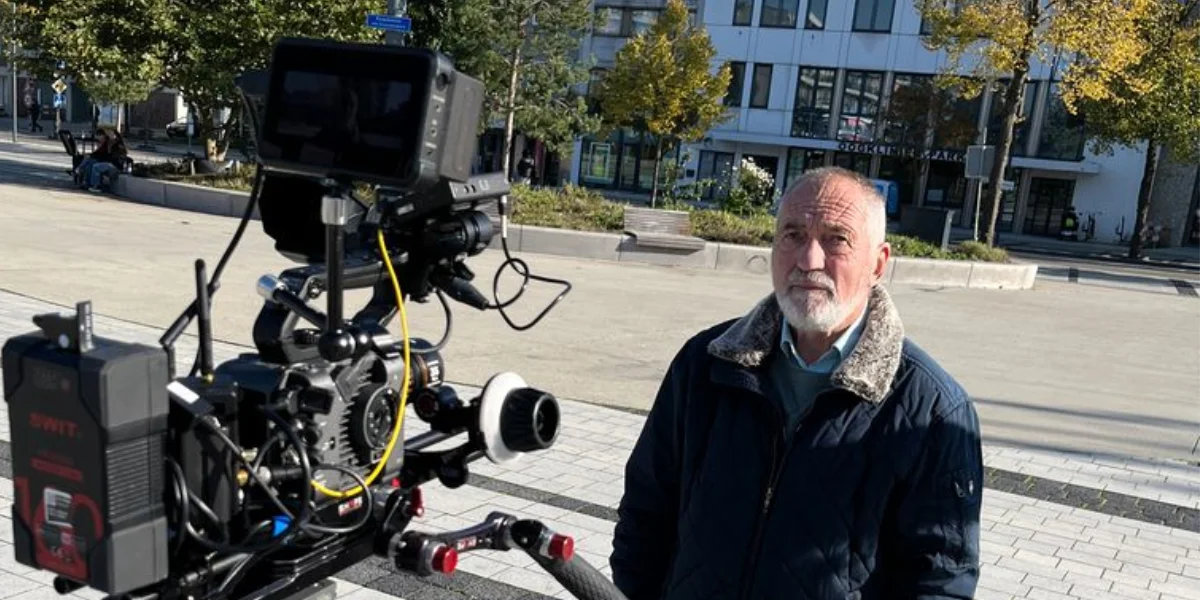
Choosing between commercial video types becomes easier when you start with the business objective.
For Brand Awareness
Consider a brand video, digital commercial, or social campaign.
The focus should be memorable storytelling and clear brand positioning rather than explaining every product feature.
For Product Promotion
Product videos, demonstrations, promotional videos, and digital commercials are usually more appropriate.
The audience needs to understand what the product does and why it matters.
For Building Customer Trust
Customer testimonials and case study videos can provide stronger evidence than company-led claims.
Real people, specific experiences, and measurable outcomes can make the message more credible.
For Explaining a Complex Product or Service
An explainer video, product demonstration, or case study can simplify the decision-making process.
The format should be selected according to what the audience actually needs to understand.
For Promoting an Event or Activation
A promotional video can generate interest before the event, while event footage can create content during and after it.
This makes it possible to turn one event into a longer content campaign.
How to Get More Content From One Commercial Video Shoot

A commercial production does not have to produce only one final video.
With the right planning, one shoot can create a complete library of assets.
For example, a production could deliver:
- One hero commercial
- Three short advertising edits
- Several vertical social videos
- Product footage
- Interview clips
- Website footage
- Behind-the-scenes content
The key is deciding these requirements before filming.
The framing, shot list, interviews, locations, and production schedule can then be planned around the final deliverables.
This is one reason professional commercial video production services should be planned around the wider campaign rather than only the main video.
Planning Your Commercial Video Production
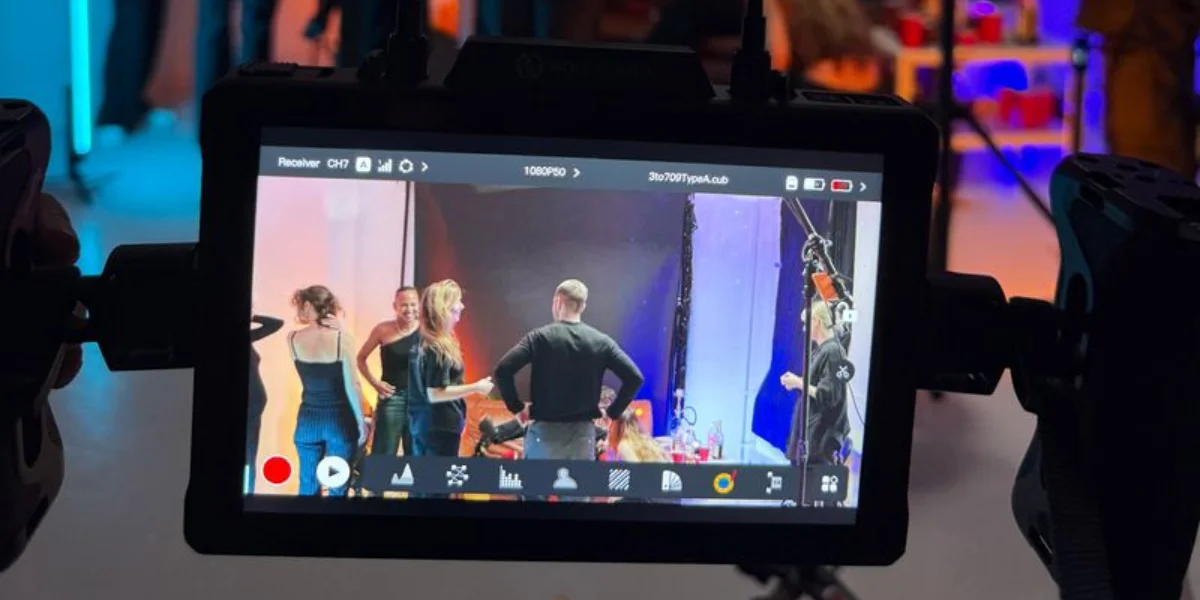
The quality of the finished video is influenced heavily by decisions made before filming.
A typical production involves:
- Creative concept
- Script development
- Storyboarding
- Casting
- Location planning
- Scheduling
- Filming
- Editing
- Sound and colour
- Final delivery
The production approach should start with the business objective and audience, then move toward the creative concept and practical requirements.
A structured Commercial Video Production Process can help identify the shots, people, locations, formats, and deliverables required before production begins.
This reduces the risk of discovering after filming that important footage is missing.
What Affects Commercial Video Production Cost?

There is no single price for a commercial video.
The budget can change depending on the concept, crew size, filming days, locations, casting, equipment, travel, editing, motion graphics, sound design, and number of final versions.
A simple interview and a multi-location commercial with actors can have completely different production requirements even if both finished videos are one minute long.
If you're planning a production budget, understanding Commercial Video Production Cost can help you compare production options and decide where your budget will have the greatest impact.
Commercial Video Production Trends
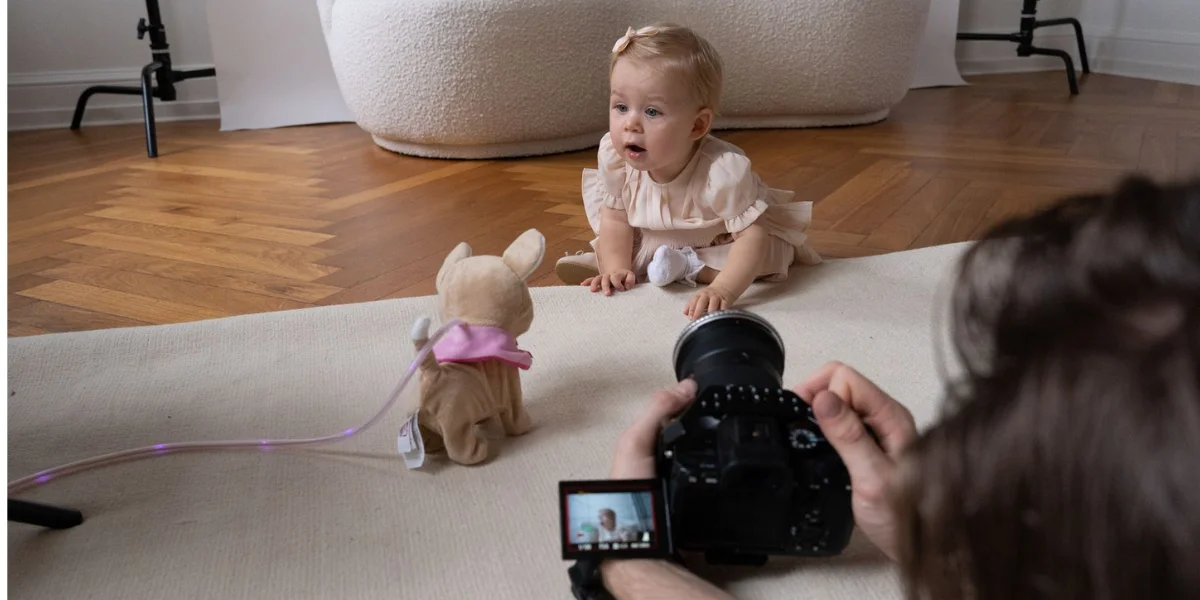
Social media commercial video for digital marketing
Commercial video production is becoming more multi-platform.
Brands increasingly need a hero video alongside shorter versions for social media, paid advertising, websites, and other channels.
Short-form content, authentic storytelling, vertical video, and efficient content repurposing are influencing how productions are planned.
AI-assisted tools are also becoming part of production workflows, particularly for tasks such as content adaptation, transcription, ideation, and creating variations.
The important point is not to follow every trend.
The technology and format should serve the brand, audience, and campaign objective.
For a deeper look at the changes affecting modern production, see Commercial Video Production Trends.
How to Choose the Right Commercial Video for Your Business

The right commercial video depends on your goal, audience, message, and distribution channel.
For brand awareness, a brand film or digital commercial can strengthen recognition. For a product launch, a product video or demonstration can show how it works. Customer testimonials and case studies can build trust, while explainer videos can simplify complex products or services.
Also consider where the video will appear. A TV commercial may need a different approach from a vertical social media advertisement. If you need multiple formats, plan them before filming.
For businesses in Denmark, the right production partner can make this process easier. When you choose a video production company, look for relevant experience, creative capabilities, production quality, and the ability to deliver the formats your campaign needs.
Frequently Asked Questions
What are the different types of commercial videos?
The main types include brand videos, product videos, digital commercials, promotional videos, customer testimonials, case study videos, explainer videos, corporate videos, event videos, and social media commercials.
What is the most effective type of commercial video?
The most effective type depends on your goal. Product videos work well for product promotion, brand films for awareness, testimonials for trust, and digital commercials for advertising campaigns.
What is an example of a commercial video?
A product advertisement, TV commercial, brand campaign, promotional video, or short social media advertisement can all be examples of commercial videos.
How long should a commercial video be?
The ideal length depends on where it will be used. Short ads may work best at 15 to 30 seconds, while brand films, product videos, and case studies can be longer when the subject requires more explanation.
How much does commercial video production cost?
Commercial video production costs vary based on the concept, filming location, crew, casting, production days, equipment, editing, and final deliverables.
Conclusion
The best commercial video is not necessarily the biggest or most expensive production. It is the format that solves the right business problem.
A brand video can build recognition, a product video can demonstrate how something works, and a testimonial can strengthen trust. A digital commercial can turn a campaign idea into focused advertising content for the right audience and platform.
Before production begins, define your goal, audience, message, distribution channels, and required deliverables. This makes it easier to choose the right format and use your budget effectively.
For businesses in Copenhagen and across Denmark, Clix Productions can help with creative development, casting, filming, editing, and final delivery. Call at +45 2876 6105 to discuss your project.