
If you are planning a two-minute video, a realistic budget in Denmark can range from around DKK 10,000 to DKK 100,000+, depending on what you are producing. A simple interview requires very different resources from a commercial with actors, multiple locations, advanced camera work and motion graphics.
The important point is that the 2 minute video cost is not determined by the two minutes that appear on screen. Most of the budget goes into the work behind those two minutes, including pre-production, filming, crew, equipment, editing and post-production.
For example, a professionally filmed customer testimonial may need one location and a small camera crew. A brand film may require several locations, talent, detailed creative development, specialist equipment and a much larger post-production process.
So, what should you actually budget?
How Much Does a 2-Minute Video Cost in Denmark?
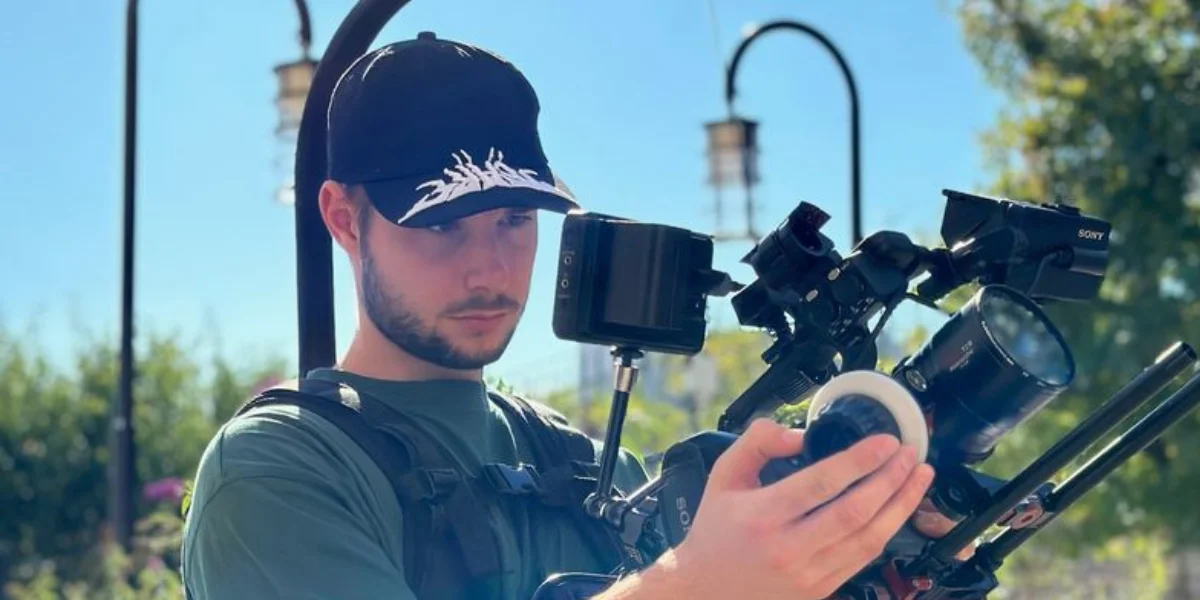
There is no single fixed price for a two-minute video because production requirements vary significantly. Current Danish production pricing shows that professional projects can range from relatively simple productions in the tens of thousands of kroner to large commercial and brand productions costing DKK 100,000 or more.
As a practical planning guide:
These figures are budgeting ranges, not fixed quotes. The final video production pricing depends on the brief, filming requirements, crew, locations, equipment, talent and post-production.
Why Two Videos With the Same Length Can Cost Very Different Amounts
Imagine two videos that are both exactly two minutes long.
The first is a customer testimonial filmed at the client's office. It may need one camera operator, basic lighting, professional audio and a straightforward edit.
The second is a commercial featuring actors, multiple locations, scripted scenes, advanced lighting, detailed sound design, animation and several versions for advertising platforms.
Both are two minutes long, but the production workload is completely different.
That is why the cost of a 2 minute video should be based on the scope of the project rather than its final running time.
What Determines the Cost of a 2-Minute Video?
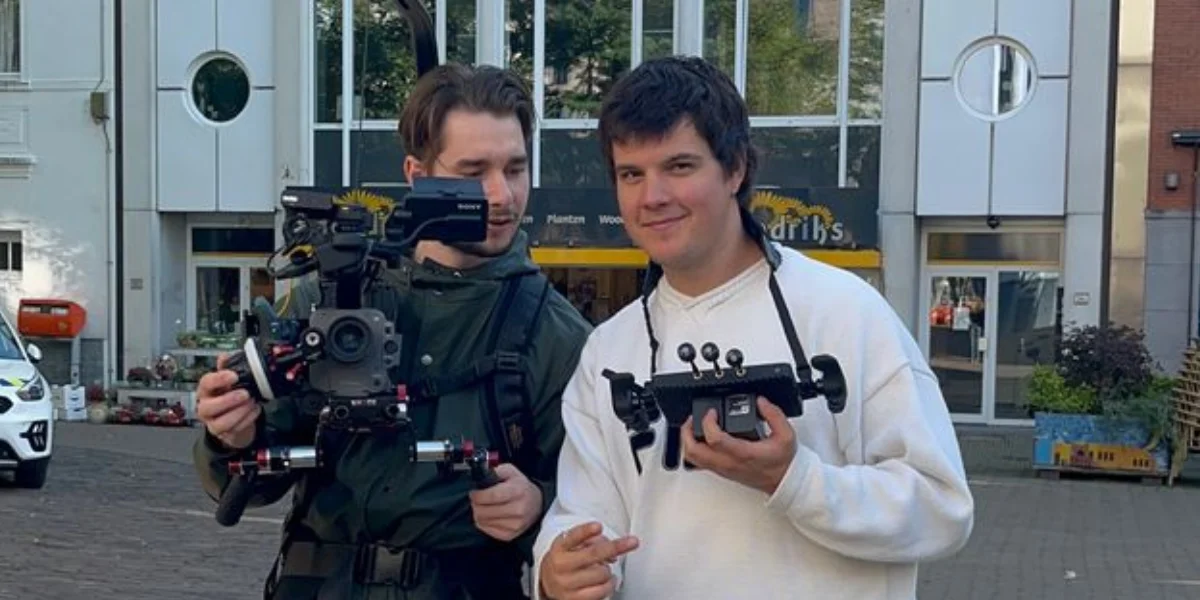
The biggest difference between a low-cost and high-cost production is usually the amount of work required before, during and after filming.
Pre-Production and Creative Development
Pre-production is where the production is planned before anyone starts filming.
Depending on the project, this can include:
- Creative concept development
- Scriptwriting
- Storyboarding
- Shot lists
- Scheduling
- Location planning
- Casting
- Production planning
A simple interview may need very little preparation. A scripted commercial may require days or weeks of planning.
Good pre-production also helps control the video production budget because problems are easier and cheaper to solve before the camera starts rolling.
Camera Crew and Production Team
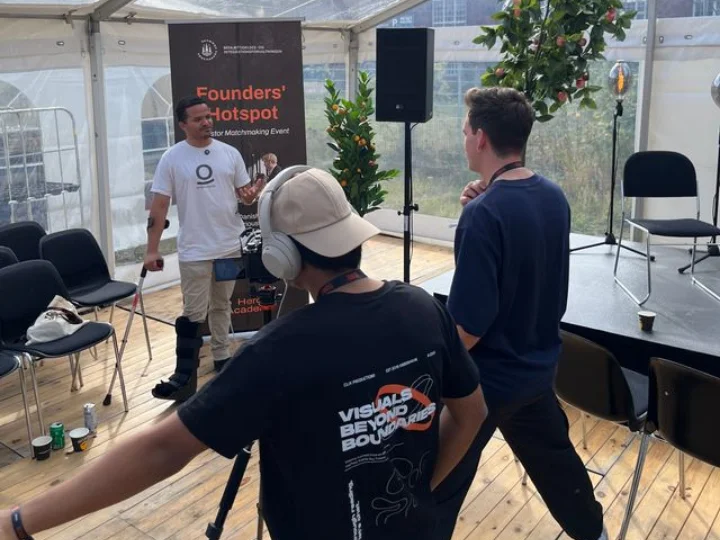
The size of the camera crew affects both the production capability and the budget.
A small project might need one videographer. A larger production could require a director, director of photography, camera operators, lighting technicians, sound specialists, production assistants and other crew members.
The right crew is not necessarily the biggest crew. It should match what the video actually needs.
Locations and Travel
Your filming location can have a significant effect on the final cost.
Using your own office may keep location expenses low. A production involving several locations can introduce additional costs for:
- Location hire
- Travel
- Transporting equipment
- Crew time
- Permits
- Logistics
One well-planned location can sometimes provide enough visual variety for an entire two-minute production.
Actors, Models and Talent
If the video requires actors, models, presenters or voice-over artists, talent becomes another part of the budget.
Costs can also depend on how the footage will be used. A campaign intended for paid advertising may have different talent and usage requirements from a corporate video intended only for a company's website.
Equipment and Technical Requirements
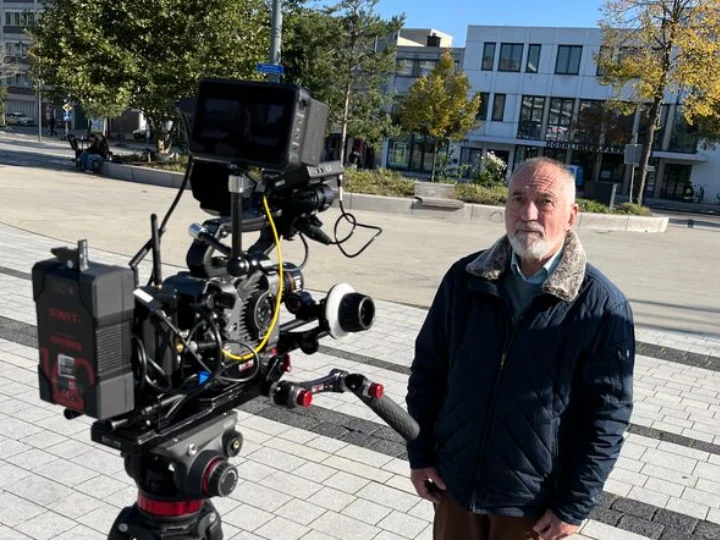
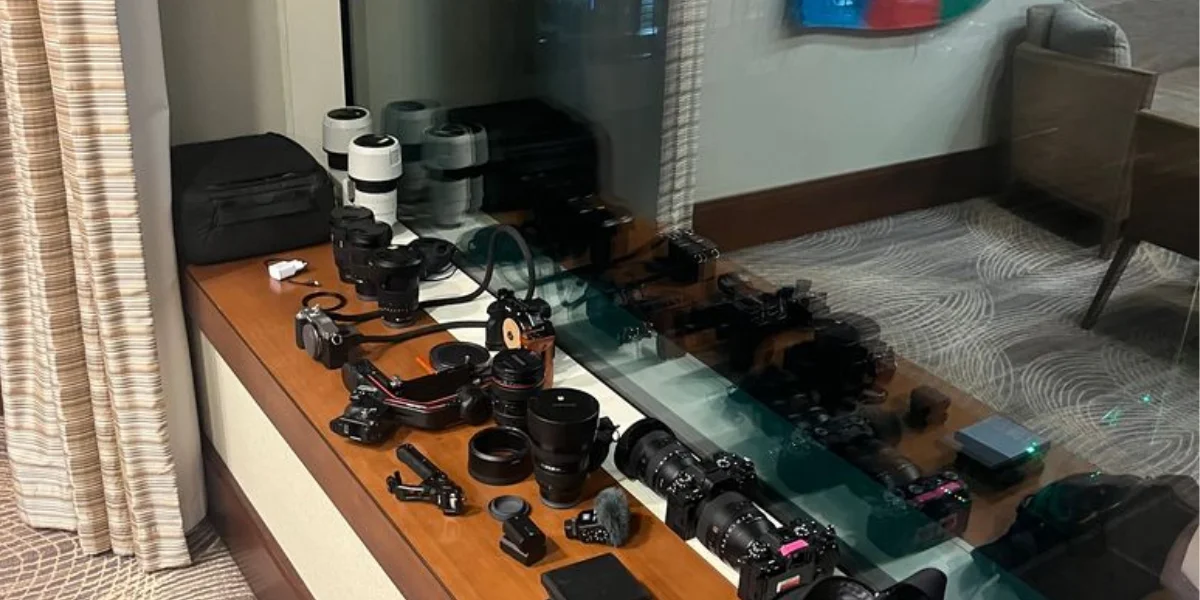
Professional production equipment goes beyond the camera itself.
Depending on the project, equipment can include:
- Cinema cameras
- Professional lenses
- Lighting
- Wireless microphones
- Audio recording equipment
- Stabilisation systems
- Teleprompters
- Drone equipment
- Specialised grip equipment
Equipment should support the creative idea rather than simply increase the size of the invoice.
Video Editing and Post-Production
Filming is only one part of the project.
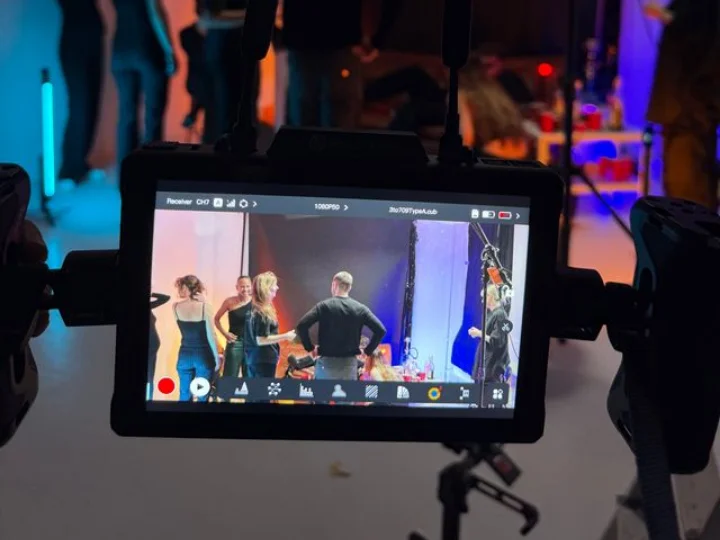
Once production is complete, the footage needs to be turned into a finished piece. Video editing can involve selecting takes, building the story, synchronising audio, adding music, correcting colour and creating graphics.
More complex projects may also require animation, visual effects, subtitles, voice-over or multiple versions.
This is where post-production can become a substantial part of the overall budget.
Motion Graphics, Animation and Sound Design
A straightforward interview may require only basic titles and music.
A product launch or commercial might require animated graphics, screen replacements, visual effects or custom animation.
Sound design is equally important. Dialogue needs to be clean, music needs to fit the story and sound effects can add depth to the finished production.
These elements require additional creative and technical time, which is reflected in the final price.
What Does a Professional Video Production Include?
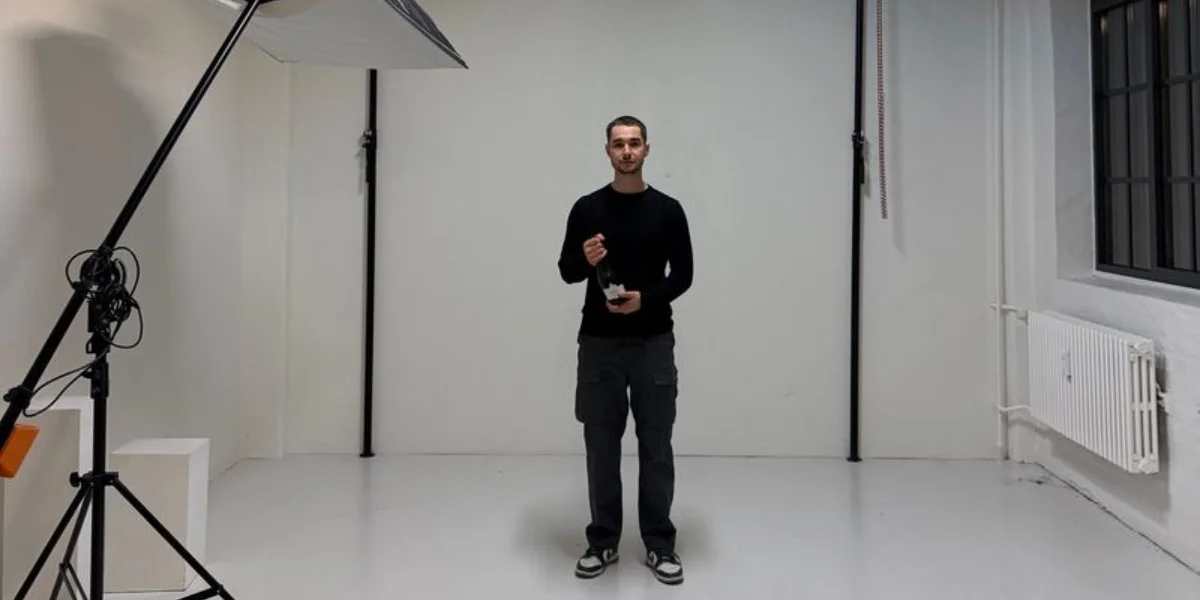
A professional production is not simply a filming day followed by an edit.
Depending on the project, the process can include three main stages.
Pre-production:
Planning, creative development, scripting, scheduling, casting and location preparation.
Production:
Filming, lighting, audio recording, directing and managing the shoot.
Post-production:
Editing, colour grading, sound design, graphics, animation, revisions and final delivery.
Understanding these stages makes it easier to compare different production proposals. Two companies may quote different amounts because they are offering different levels of service.
How Much Does a 2-Minute Commercial Video Cost?
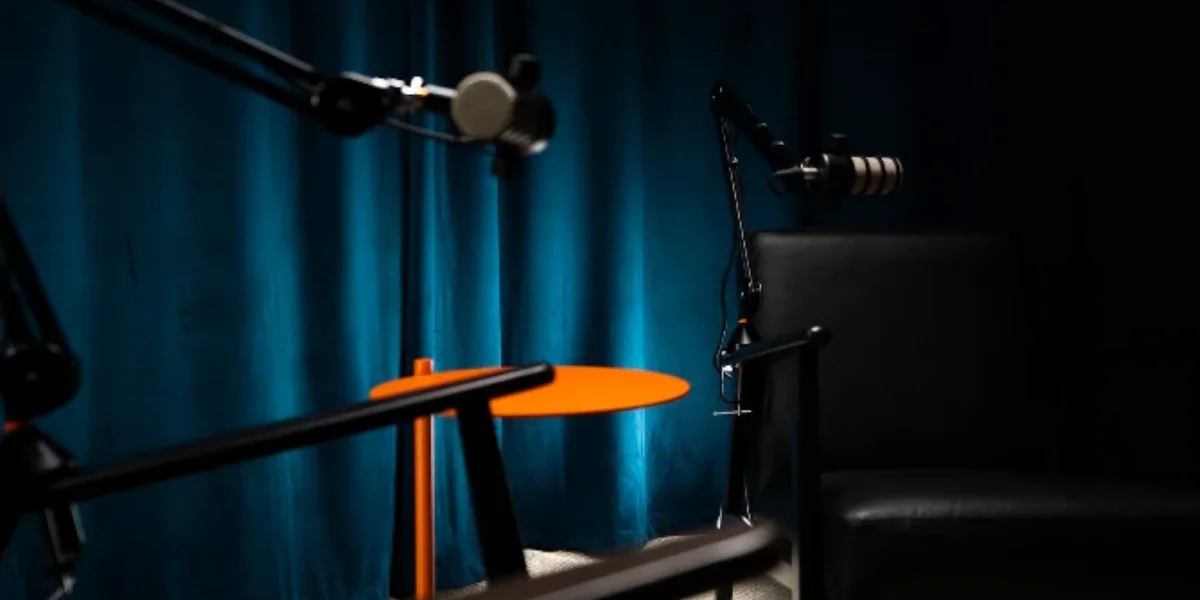
Commercial video production generally requires more creative development and production resources than a simple business video.
A commercial may involve a concept, script, storyboard, casting, multiple locations, professional talent, detailed cinematography and a larger production team.
The post-production requirements can also be greater, particularly when the campaign needs different versions for websites, YouTube, social platforms or paid advertising.
In Denmark, commercial productions can range from roughly DKK 25,000 to DKK 150,000+, depending heavily on the concept and scope.
If you are comparing commercial projects specifically, the commercial video production cost can be easier to understand when you break the quote into creative, production and post-production requirements rather than looking only at the final runtime.
Does Video Length Affect Production Cost?
Yes, but usually not in the way people expect.
A longer finished video does not automatically mean a proportionally higher production cost.
For example, filming a 30-minute interview and editing it into a two-minute customer story may require roughly the same filming setup as producing a five-minute version.
On the other hand, a 30-second commercial could cost significantly more than a two-minute interview if it requires actors, multiple locations, elaborate lighting and complex visual effects.
The better question is not:
“How many minutes will the video be?”
It is:
“What does it take to create those minutes?”
That distinction is important when comparing video production quotes.
How to Reduce the Cost Without Cutting Quality
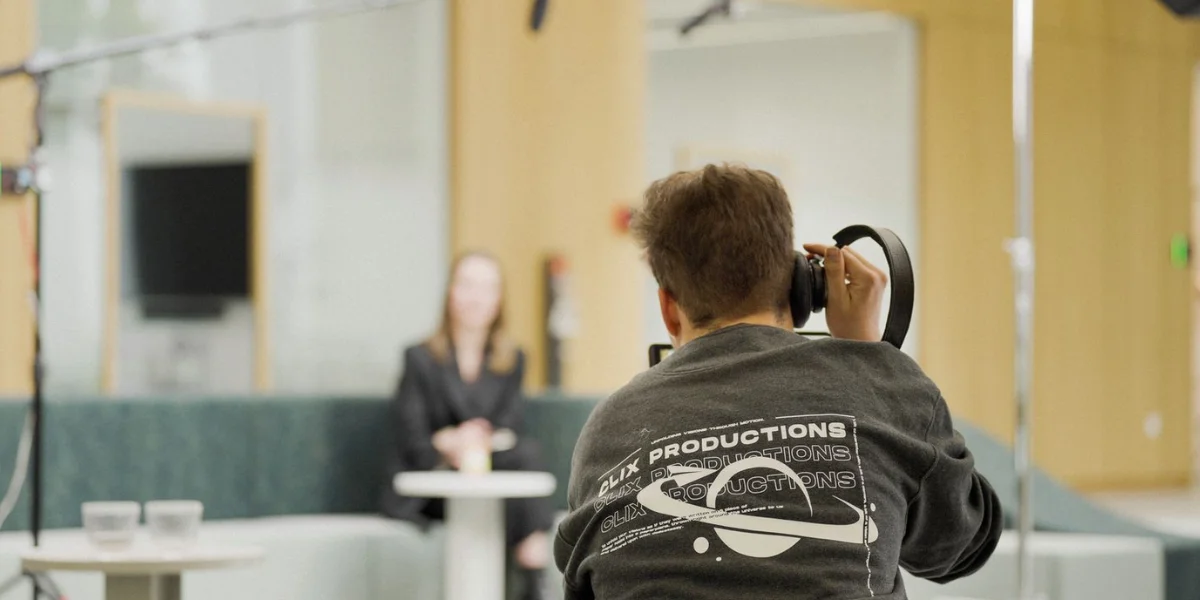
You do not necessarily need a large production budget to create an effective video. The goal is to spend money on the parts that actually improve the result.
Limit the Number of Locations
Every additional location creates more logistics, travel and setup time.
If the story can be told effectively in one or two strong locations, keeping the production compact can make a significant difference.
Finalize the Script Before Filming
Changing the story during filming can create delays and additional production work.
A clear script and shot list give everyone a shared understanding of what needs to be captured.
Plan Multiple Deliverables From One Shoot
Instead of producing one video and starting again from scratch for social media, plan the additional content before filming.
A single shoot can potentially provide:
- One main video
- Short social clips
- Vertical versions
- Website content
- Interview excerpts
- Product shots
This can increase the value you get from the same production day.
Match the Crew to the Production
A large crew is not automatically better.
A simple interview may not need the same production setup as a commercial campaign. Choosing the right specialists for the creative requirements keeps the budget focused.
Avoid Unnecessary Reshoots
Preparation is one of the easiest ways to protect the budget.
Confirm the script, locations, talent, schedule and shot list before filming. This reduces the risk of discovering after the shoot that an important scene or piece of information is missing.
Repurpose the Main Video Into Shorter Content
If you already have professional footage, use it.
A two-minute master video can often provide additional short-form assets for LinkedIn, Instagram, YouTube or paid campaigns.
This turns one production into a wider video production project rather than a single finished file.
What Should Be Included in a Video Production Quote?

When comparing quotes, do not compare the final price alone.
Ask what is actually included.
A detailed production quote should make clear whether the price covers:
- Creative development
- Scriptwriting
- Pre-production
- Crew
- Camera and lighting equipment
- Audio equipment
- Locations
- Travel
- Casting or talent
- Number of filming days
- Editing
- Colour grading
- Sound design
- Music licensing
- Animation or motion graphics
- Subtitles
- Number of revisions
- Final video formats
- Additional social media versions
This is particularly important because two apparently similar quotes can have very different scopes.
One company might include only a single finished video. Another might include several cutdowns, subtitles, professional sound finishing and multiple rounds of revisions.
The cheaper quote is not always the cheaper production once you add everything you actually need.
How Long Does It Take to Produce a 2-Minute Video?
The production timeline depends on the complexity of the project.
A simple interview-based video may move from planning to delivery relatively quickly. A commercial with several locations, actors and detailed post-production will naturally take longer.
A typical workflow looks like this:
Pre-production: creative development, script, planning, locations and scheduling.
Production: filming one or more days depending on the scope.
Post-production: editing, feedback, colour, sound, graphics and final exports.
The number of revision rounds can also affect the timeline.
Understanding the full video production projects workflow helps you set realistic expectations instead of assuming that a two-minute video can be completed simply because the final file is short.
Is a 2-Minute Video Long Enough for Marketing?
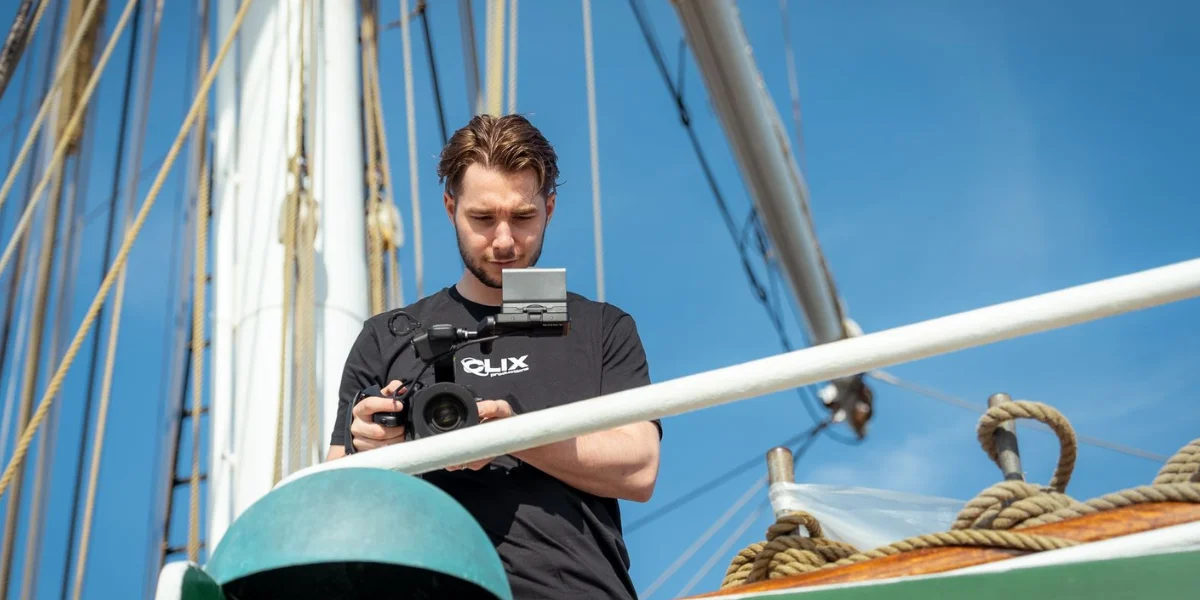
For many businesses, yes.
Two minutes is enough time to tell a focused brand story, explain a product, introduce a service, present a customer case study or capture the key message from an event.
The important thing is to avoid filling the runtime simply because you have two minutes available.
A strong two-minute video should have a clear purpose, audience and message.
It can also act as the master asset for shorter content. Selected moments can be edited into social clips, advertisements and other digital formats.
That makes the production more useful across the wider marketing strategy.
Frequently Asked Questions
How much to charge for a 3 minute video?
The cost depends on the production type, filming requirements, crew and editing. A simple interview will cost much less than a commercial with multiple locations, actors and advanced post-production.
How much to charge for a 2 Min video? Editing only.
Editing-only costs depend on the amount of footage and editing required. Basic cuts are less expensive, while colour grading, sound design, animation and motion graphics increase the cost.
How much does it cost for a video?
Video production costs depend on the concept, filming, equipment, crew and post-production. In Denmark, simple business videos can start around DKK 10,000, while larger commercial and brand productions can exceed DKK 100,000.
How much does it cost to make a 2 minute video?
A 2-minute video in Denmark can cost around DKK 10,000 to DKK 100,000+, depending on the production scope. Interviews and simple business videos are usually less expensive than commercial or brand films.
How much does a 2 minute video cost to produce?
The 2 minute video production cost depends on pre-production, filming, camera crew, equipment, locations, editing and post-production. The final runtime is only one part of the overall production cost.
Conclusion
The answer to how much a 2 minute video costs depends less on the two-minute runtime and more on what happens behind the scenes.
A simple interview can be produced with a small crew and limited post-production, while a commercial or brand film may require creative development, casting, multiple locations, specialist equipment and extensive editing.
For businesses in Denmark, the best approach is to define the purpose, scope and required deliverables before setting the video production budget. That gives you a more realistic figure and makes it easier to compare production companies based on the value and production scope they provide.
Clix Productions works with businesses in Denmark on video projects ranging from corporate and brand content to commercial productions. For project enquiries, you can reach the team at +45 28 76 61 05.
If you want to understand what professional production looks like behind the final video, Behind the Scenes of Video Production explains how planning, filming and post-production come together.